
Monday, November 2, 2026Nov 2

This story is free to read.

Could more have been done for Thomas Eric Duncan?

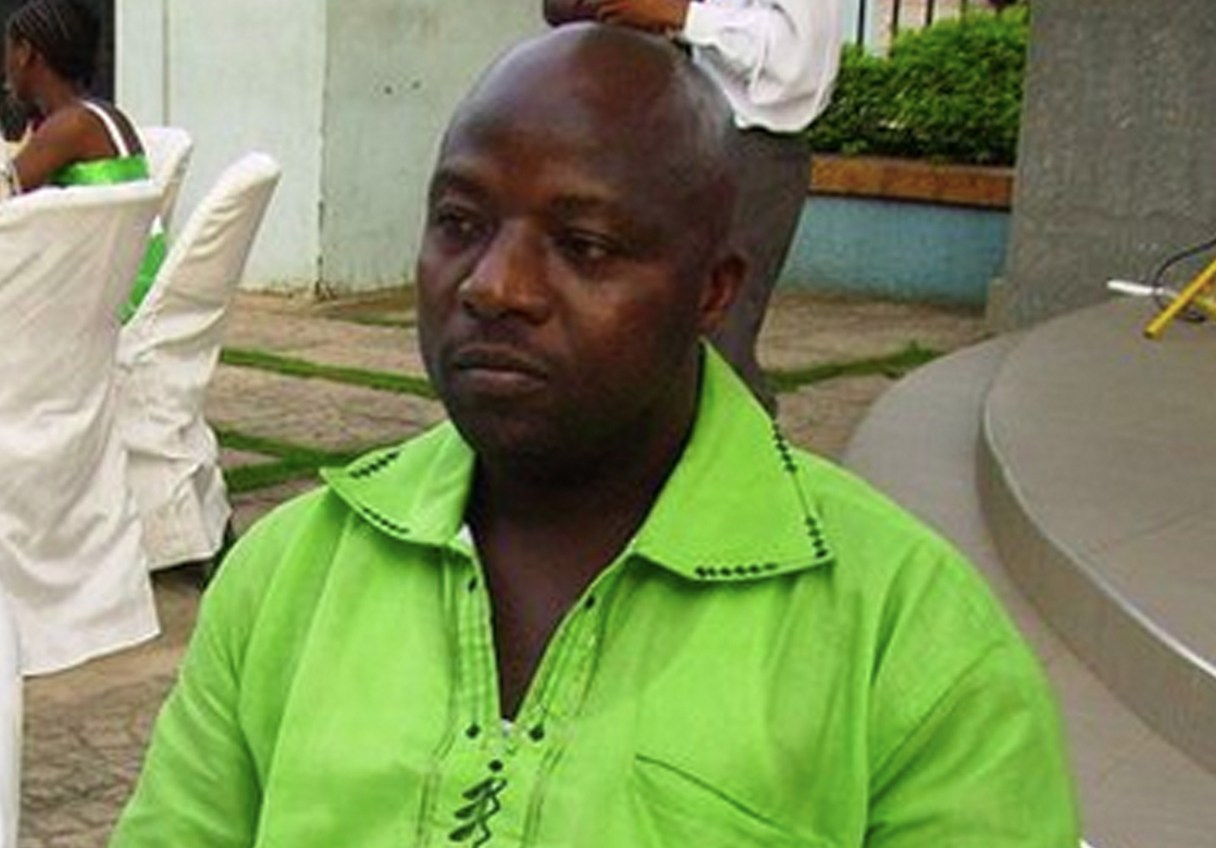
FILE - This 2011 file photo provided by Wilmot Chayee shows Thomas Eric Duncan, the first Ebola patient diagnosed in the U.S., at a wedding in Ghana. Duncan, poor and uninsured, did not get all the help his family members said they wanted, and they now question why his care was different in some ways than that of Americans infected with the deadly virus who survived. Of the nine people who have been treated for Ebola in the U.S., only Duncan has died. (AP Photo/Wilmot Chayee, File)
FILE - This 2011 file photo provided by Wilmot Chayee shows Thomas Eric Duncan, the first Ebola patient diagnosed in the U.S., at a wedding in Ghana. Duncan, poor and uninsured, did not get all the help his family members said they wanted, and they now question why his care was different in some ways than that of Americans infected with the deadly virus who survived. Of the nine people who have been treated for Ebola in the U.S., only Duncan has died. (AP Photo/Wilmot Chayee, File) FILE - This 2011 file photo provided by Wilmot Chayee shows Thomas Eric Duncan, the first Ebola patient diagnosed in the U.S., at a wedding in Ghana. Duncan, poor and uninsured, did not get all the help his family members said they wanted, and they now question why his care was different in some ways than that of Americans infected with the deadly virus who survived. Of the nine people who have been treated for Ebola in the U.S., only Duncan has died. (AP Photo/Wilmot Chayee, File)

DALLAS (AP) – When Thomas Eric Duncan became the first diagnosed case of Ebola in the United States, his relatives with roots in virus-ravaged Liberia knew what questions to ask.

Would his treatment include experimental drugs? What about a transfer from a Dallas hospital to a more specialized medical center?

Duncan, poor and uninsured, did not get all the help his family wanted. They now question why his care was different in some ways than that of Americans infected with the deadly virus. Of the nine people who have been treated in the U.S., only Duncan has died.

Texas Health Presbyterian Hospital Dallas spokesman Wendell Watson said “many treatment options” were considered. Ultimately, Duncan received two doses of an experimental drug and never left Dallas, where he died Oct. 8.