
Tuesday, November 10, 2026Nov 10

Syria’s 3 ½-year conflict roiling the economy

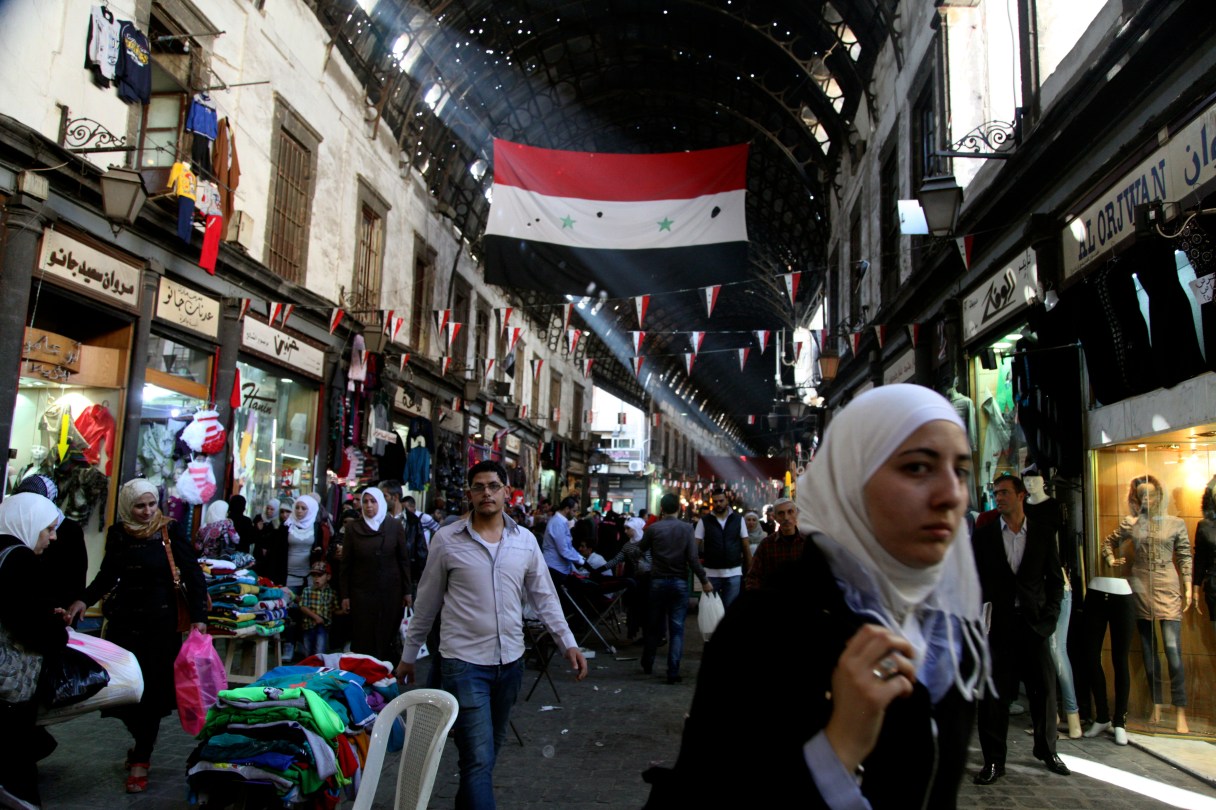
People shop in the ancient bazaar known as the Hamidiyeh souq in Damascus Syria, Monday, Oct. 27, 2014. It is one of Syria’s chief markets, once packed with tourists and visitors from around the country who shopped in the cavernous maze of arched alleyways, ancient Roman columns, snapping up antiques, socks, wispy lingerie and sweets, a rumble of chaotic crowds and pigeons flying overhead. Even amid conflict, it's still an important shopping spot for the country’s working classes but prices here have already quadrupled over the past four years for most products in the market. (AP Photo/Diaa Hadid)
People shop in the ancient bazaar known as the Hamidiyeh souq in Damascus Syria, Monday, Oct. 27, 2014. It is one of Syria’s chief markets, once packed with tourists and visitors from around the country who shopped in the cavernous maze of arched alleyways, ancient Roman columns, snapping up antiques, socks, wispy lingerie and sweets, a rumble of chaotic crowds and pigeons flying overhead. Even amid conflict, it's still an important shopping spot for the country’s working classes but prices here have already quadrupled over the past four years for most products in the market. (AP Photo/Diaa Hadid) People shop in the ancient bazaar known as the Hamidiyeh souq in Damascus Syria, Monday, Oct. 27, 2014. It is one of Syria’s chief markets, once packed with tourists and visitors from around the country who shopped in the cavernous maze of arched alleyways, ancient Roman columns, snapping up antiques, socks, wispy lingerie and sweets, a rumble of chaotic crowds and pigeons flying overhead. Even amid conflict, it's still an important shopping spot for the country’s working classes but prices here have already quadrupled over the past four years for most products in the market. (AP Photo/Diaa Hadid)

DAMASCUS, Syria (AP) – The middle-aged salesman sat glumly among an array of shorts, khaki leisure suits bedecked with gold belts and dresses with plunging necklines in the ancient Damascus bazaar – luxuries few can afford in today’s Syria.

He, like many traders, lost most of his customers when Syria’s uprising erupted in 2011 against the rule of President Bashar Assad, and his new clientele is far poorer: Syrians fleeing the fighting with barely any possessions.

Now, he fears there’s even worse to come, as the U.S.-led bombings of the Islamic State group target the country’s modest oil reserves under the militants’ control, sending oil and diesel prices soaring.

The effect is rippling through the economy, and traders fear they won’t be able to absorb the increased costs, pushing them out of business and unraveling yet another key sector of Syrian society, already badly frayed by conflict.

“We are hearing there’s unimaginable prices for the winter,” said the 50-year-old clothing vendor, who gave only his first name Amin, referring to the wholesalers he purchases from. “We have been through struggles before, but not like this.”