
NEW YORK (AP) – Key discoveries about breast cancer, Parkinson’s disease and the body’s handling of defective proteins have earned prestigious medical awards for five scientists.
The Albert and Mary Lasker Foundation announced the winners Monday. Each prize includes a $250,000 honorarium. The awards will be presented Sept. 19 in New York.
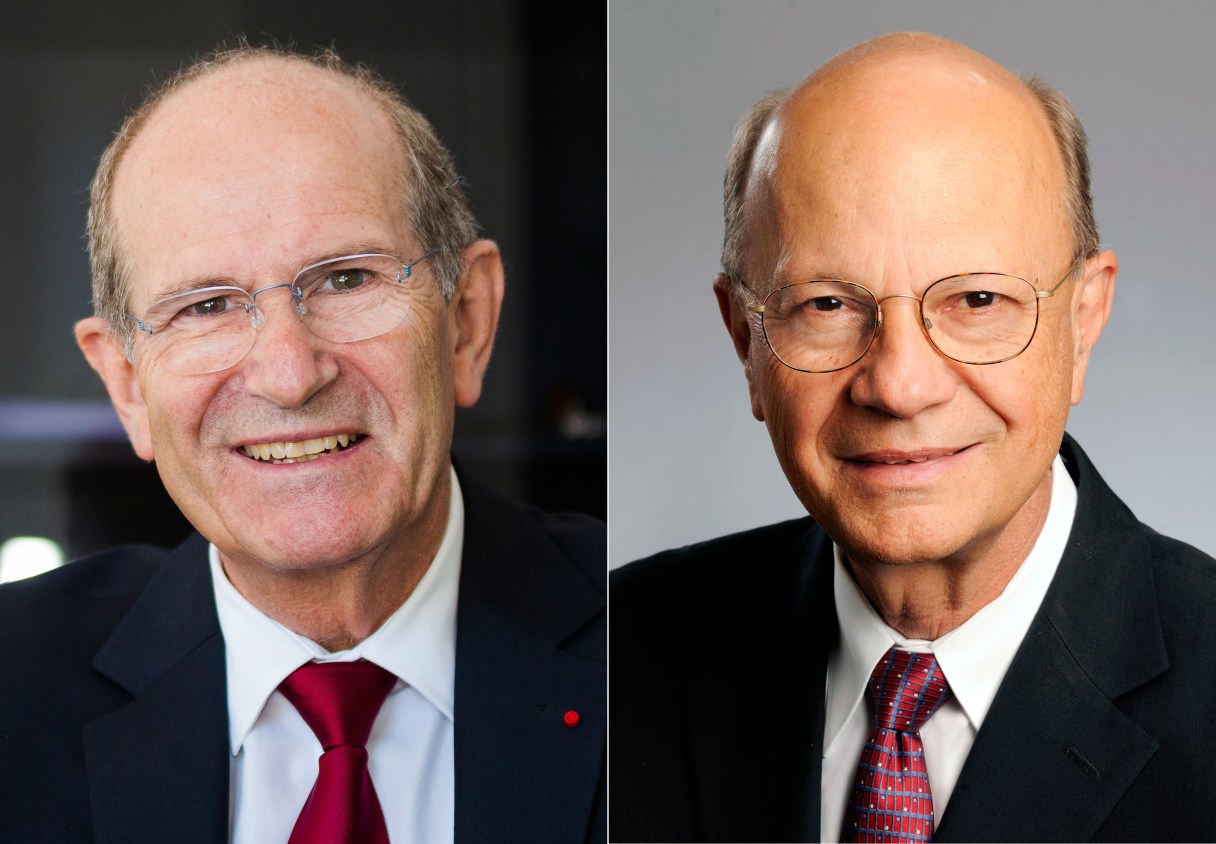
The Lasker award for clinical medical research will be shared by Drs. Mahlon DeLong of Emory University in Atlanta and Alim Louis Benabid of Joseph Fourier University in Grenoble, France, for developing a surgical treatment for Parkinson’s disease. In work that began in the late 1960s, DeLong traced Parkinson symptoms to overactivity in a specific part of the brain. Benabid, following up on that research independently, showed in 1995 that stimulating this area with a surgically implanted electrode could ease some Parkinson symptoms.
The U.S. Food and Drug Administration approved that approach for treating advanced Parkinson’s disease in 2002. More than 100,000 people worldwide have received the therapy, the Lasker foundation said.
The award for special achievement in medical science will go to Mary-Claire King of the University of Washington in Seattle. In 1990, King identified a region of human DNA that contains the BRCA1 gene, which gives a heightened risk of developing breast cancer if mutated. That led to the isolation of the gene itself, paving the way for identifying women who’ve inherited a mutated version so they can be monitored and counseled.