
WHAT TO LOOK FOR• The initial symptoms of the enterovirus are much like the common cold, with running nose and coughing.• This particular strain of virus will typically not cause a fever.• If children start showing signs of respiratory distress – shortness of breath, wheezing, turning blue – parents should isolate the child and immediately seek medical help.STAY ON GUARDThere is no vaccine or specific treatment for Enterovirus D-68 or other common enteroviruses. It’s best to take traditional preventive measures: hand washing, cleaning frequently touched surfaces, and keeping children home if they start showing symptoms of illness.
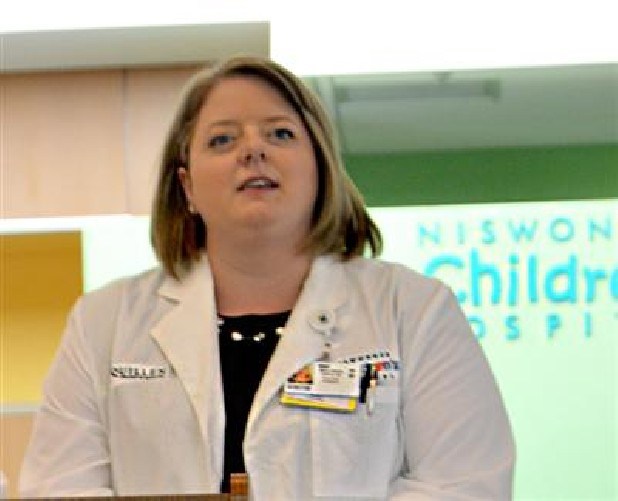
 Dr. Melissa Keene discusses the affects of Enterovirus D68 during a news conference Monday afternoon at the Niswonger Children’s Hospital in Johnson City, Tenn.
As a growing number of children in surrounding states show up in hospitals with severe respiratory problems from a rare virus strain, Tennessee health officials say it is likely just a matter of time before the virus arrives up in the state.
“We will eventually see this enterovirus in Tennessee,” said Dr. Mark Rowin, associate professor of pediatrics at the University of Tennessee. “We’re surrounded by it right now, and it’s going to cross the border.”
Enterovirus is a very common virus, with hundreds of strains that usually appear during late summer and early autumn. But the strain going around this year, Enterovirus D-68, is more rare and has been more severe.
“When it [the virus] first appears, it is much like the common cold,” Rowin said. “But then there’s a rapid progression of respiratory distress.”