
Monday, November 9, 2026Nov 9

Chemical reform bill faces uphill battle in Senate

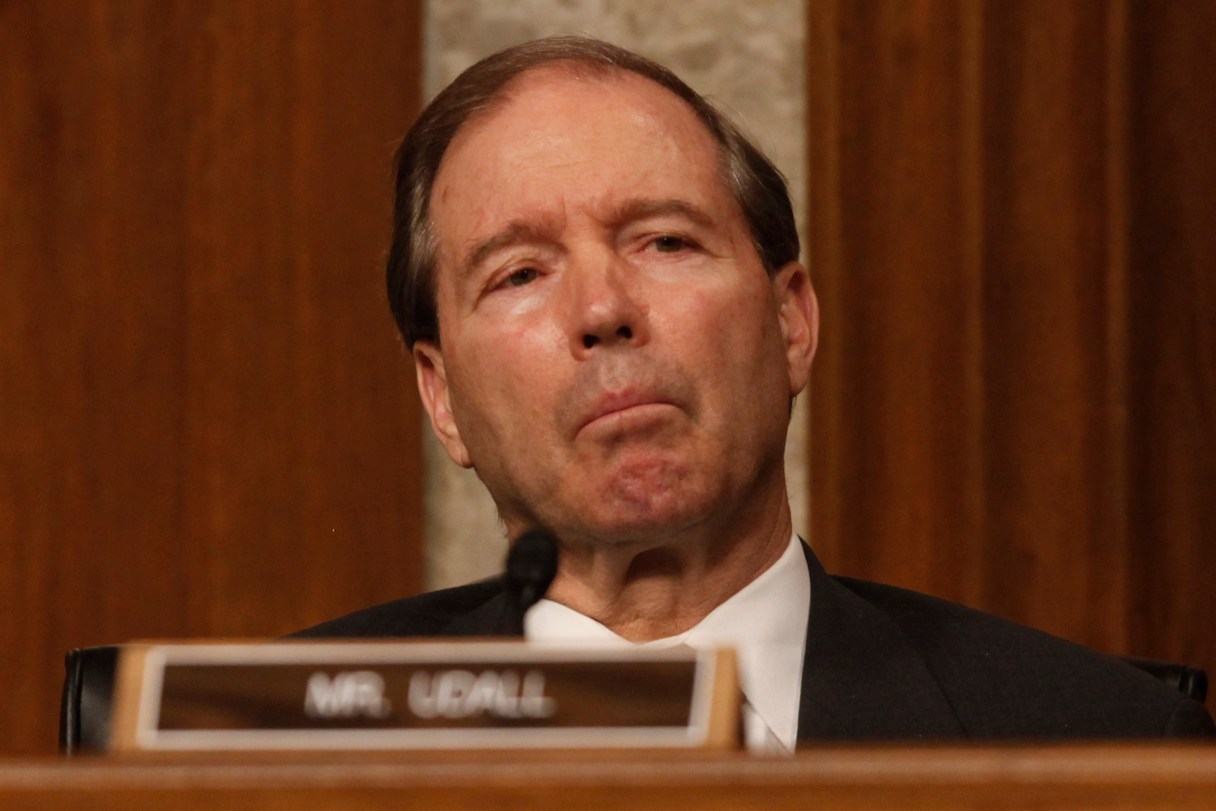
FILE - In this June 12, 2013 file photo, Senate Superfund, Toxics and Environmental Health subcommittee Chairman Sen. Tom Udall, D-N.M. is seen on Capitol Hill in Washington. The powerful chemical industry is putting its lobbying muscle behind legislation that would establish standards for chemicals used in products from household goods to cellphones and plastic water bottles _ but also make it tougher for states to regulate them. (AP Photo/Charles Dharapak, File)
FILE - In this June 12, 2013 file photo, Senate Superfund, Toxics and Environmental Health subcommittee Chairman Sen. Tom Udall, D-N.M. is seen on Capitol Hill in Washington. The powerful chemical industry is putting its lobbying muscle behind legislation that would establish standards for chemicals used in products from household goods to cellphones and plastic water bottles _ but also make it tougher for states to regulate them. (AP Photo/Charles Dharapak, File) FILE - In this June 12, 2013 file photo, Senate Superfund, Toxics and Environmental Health subcommittee Chairman Sen. Tom Udall, D-N.M. is seen on Capitol Hill in Washington. The powerful chemical industry is putting its lobbying muscle behind legislation that would establish standards for chemicals used in products from household goods to cellphones and plastic water bottles _ but also make it tougher for states to regulate them. (AP Photo/Charles Dharapak, File)

WASHINGTON (AP) – Efforts to come up with a new chemical regulation bill face an uphill battle in the Senate.

Over the summer, Sens. Tom Udall, D-N.M., and David Vitter of Louisiana, the top Republican on the Senate Environmental and Public Works Committee, provided a revised draft of their chemical regulation bill to committee chairwoman Barbara Boxer. She told The Associated Press this week that the draft still falls short.

The original bill had been panned by some environmental groups. Safer Chemicals, Healthy Families, assailed it as “phony reform,” although the Environmental Defense Fund supported its introduction as a chance for an eventual breakthrough.

At stake is a rewrite of the 1976 Toxic Substances Control Act, which is widely seen as an ineffective law to protect Americans from harmful chemicals.