
Saturday, November 14, 2026Nov 14

CIA stops spying on friendly nations in W. Europe

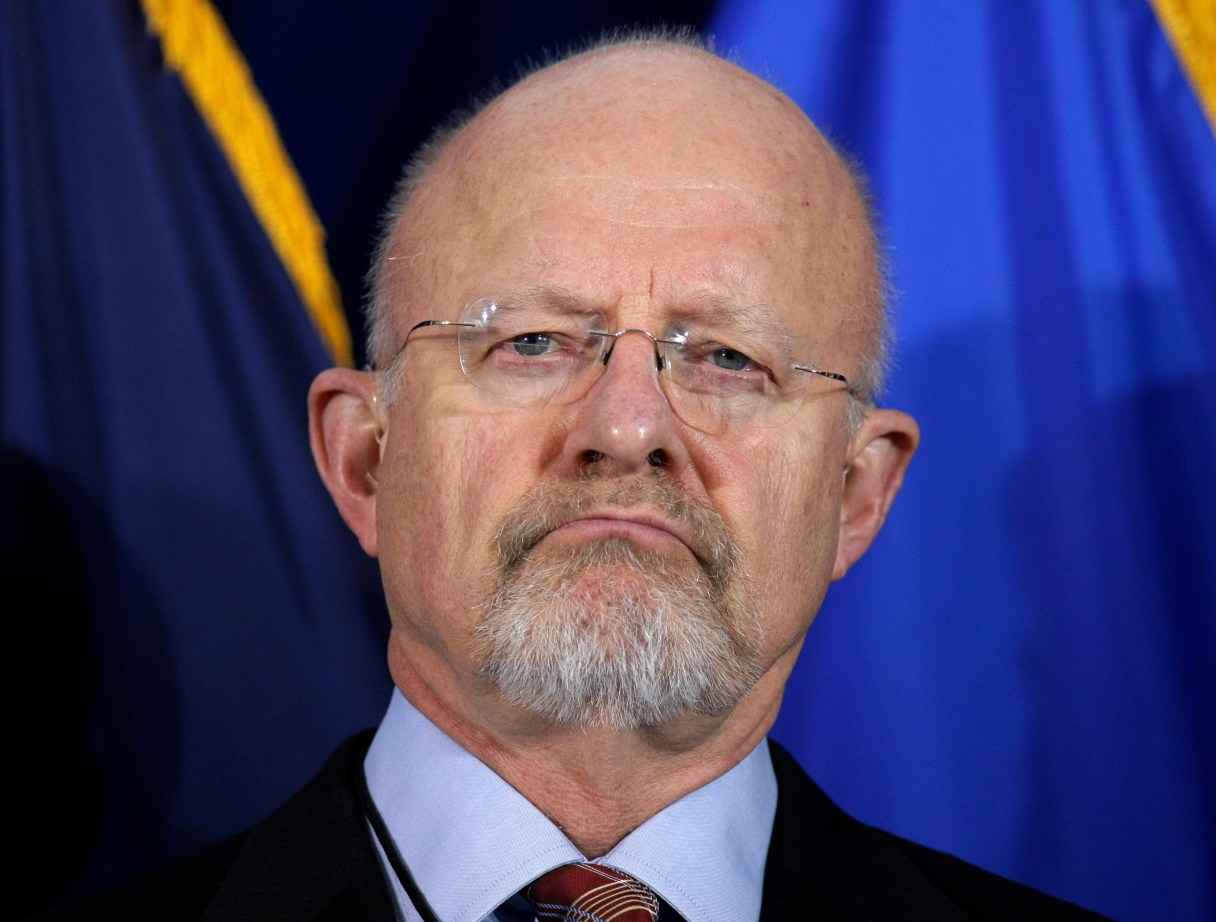
FILE -- In this April 21, 2010 file photo James Clapper is seen in McLean, Va., just outside of Washington. Clapper, the U.S. director of national intelligence, said during a public event Thursday Sept. 18, 2014 that the U.S. is assuming more risk because it has stopped spying on "specific targets," though he didn't spell out details. The CIA has curbed spying on friendly governments in Western Europe in response to the furor over a German caught selling secrets to the United States and the Edward Snowden revelations of classified information held by the National Security Agency, according to current and former U.S. officials.  (AP Photo/J. Scott Applewhite, File)
FILE -- In this April 21, 2010 file photo James Clapper is seen in McLean, Va., just outside of Washington. Clapper, the U.S. director of national intelligence, said during a public event Thursday Sept. 18, 2014 that the U.S. is assuming more risk because it has stopped spying on "specific targets," though he didn't spell out details. The CIA has curbed spying on friendly governments in Western Europe in response to the furor over a German caught selling secrets to the United States and the Edward Snowden revelations of classified information held by the National Security Agency, according to current and former U.S. officials. (AP Photo/J. Scott Applewhite, File)

WASHINGTON (AP) – Stung by the backlash over a German caught selling secrets to the U.S. and the revelations of surveillance by the National Security Agency, the CIA has stopped spying on friendly governments in Western Europe, according to current and former U.S. officials.

The pause in decades of espionage was designed to give CIA officers time to examine whether they were being careful enough and to evaluate whether spying on allies is worth running the risk of discovery, said a U.S. official who has been briefed on the situation.

Under the stand-down order, case officers in Europe largely have been forbidden from undertaking “unilateral operations” such as meeting with sources they have recruited within allied governments. Such clandestine meetings are the bedrock of spying.

CIA officers are still allowed to meet with their counterparts in the host country’s intelligence service and conduct joint operations with host country services. Recently, unilateral operations targeting third country nationals – Russians in France, for example – were restarted. But meetings with independent sources in the host country remain on hold, as do new recruitments.

The CIA declined to comment.