
Monday, November 9, 2026Nov 9

Oil industry offers crude-train testing standards

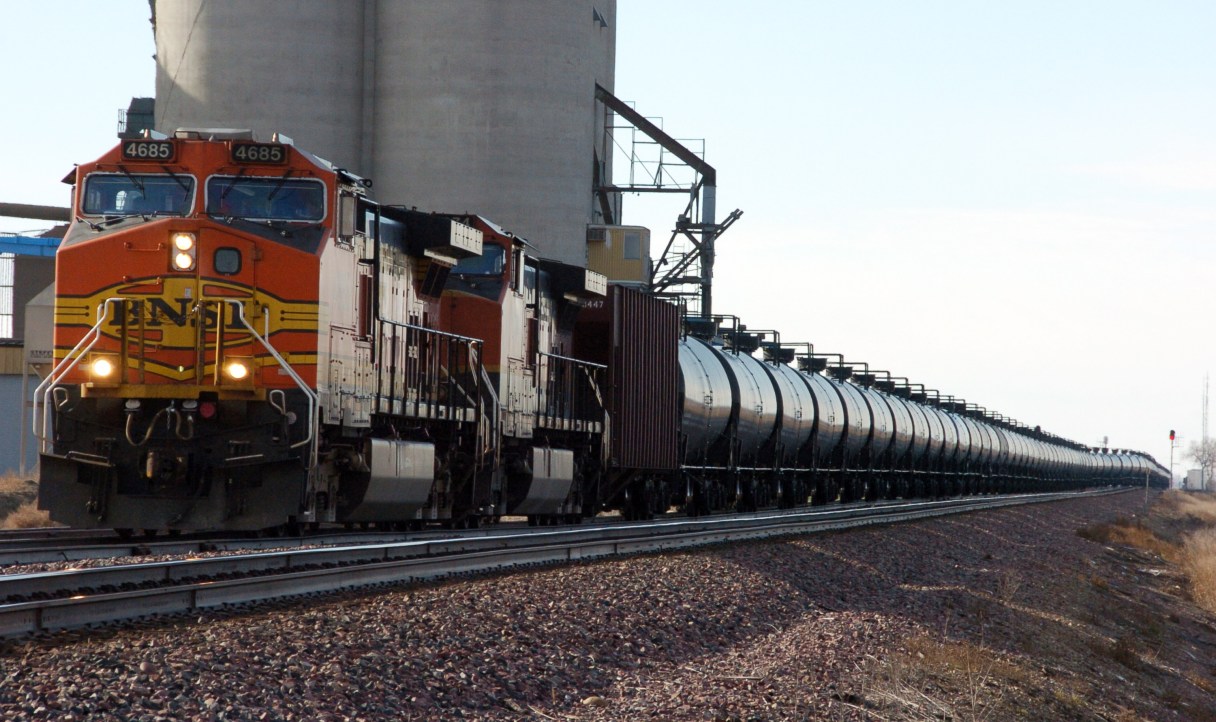
FILE - In this Nov. 6, 2013, file photo, a BNSF Railway train hauls crude oil near Wolf Point, Mont. The oil industry's lead trade group released new standards on Thursday, Sept. 25, 2014, for testing and classifying crude shipped by rail after prior shipments were misclassified, including a train that derailed in Canada and killed 47 people. Shipping oil by rail has become far more common as domestic drilling booms in North Dakota, Montana, Texas, Colorado and other states.  (AP Photo/Matthew Brown, File)
FILE - In this Nov. 6, 2013, file photo, a BNSF Railway train hauls crude oil near Wolf Point, Mont. The oil industry's lead trade group released new standards on Thursday, Sept. 25, 2014, for testing and classifying crude shipped by rail after prior shipments were misclassified, including a train that derailed in Canada and killed 47 people. Shipping oil by rail has become far more common as domestic drilling booms in North Dakota, Montana, Texas, Colorado and other states. (AP Photo/Matthew Brown, File) FILE - In this Nov. 6, 2013, file photo, a BNSF Railway train hauls crude oil near Wolf Point, Mont. The oil industry's lead trade group released new standards on Thursday, Sept. 25, 2014, for testing and classifying crude shipped by rail after prior shipments were misclassified, including a train that derailed in Canada and killed 47 people. Shipping oil by rail has become far more common as domestic drilling booms in North Dakota, Montana, Texas, Colorado and other states. (AP Photo/Matthew Brown, File)

BILLINGS, Mont. (AP) – The oil industry’s lead trade group released new standards on Thursday for testing and classifying crude shipped by rail after prior shipments were misclassified, including a train that derailed in Canada and killed 47 people.

But as with earlier orders from the federal government, the industry’s standards generally leave it to individual companies to decide how often to test crude in order to gauge its danger.

The American Petroleum Institute said the standards were crafted in cooperation with regulators and the rail industry.

Shipping oil by rail has become far more common as domestic drilling booms in North Dakota, Montana, Texas, Colorado and other states.

In July 2013, a crude train from North Dakota derailed and exploded in Lac-Megantic, Quebec, killing 47. The shipment had been misclassified as posing a low risk, regulators said.