
Monday, November 2, 2026Nov 2

This story is free to read.

US considers new offer to Iran at nuke talks

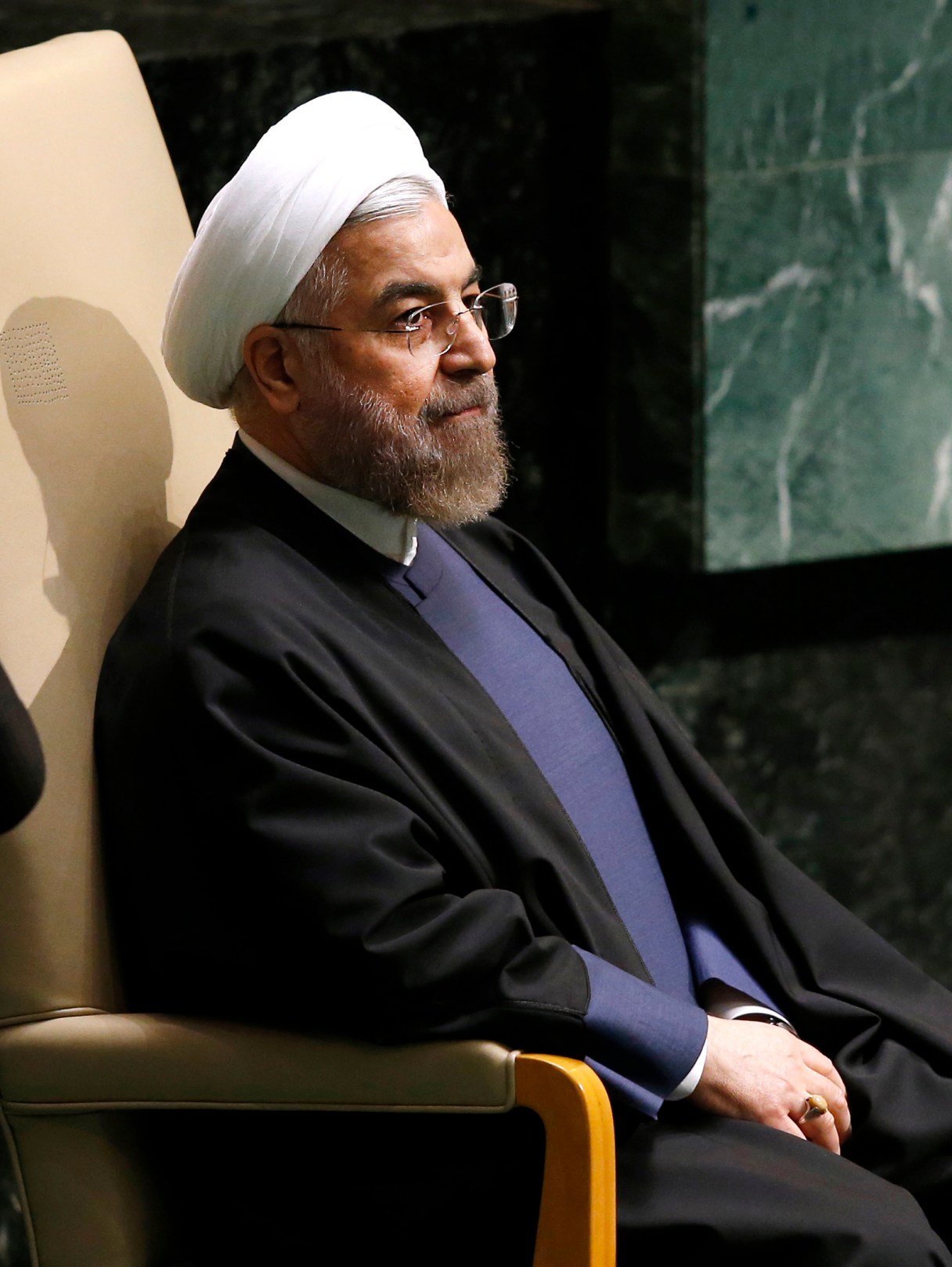
Iranian President Hassan Rouhani sits after addressing the 69th session of the United Nations General Assembly at U.N. headquarters, Thursday, Sept. 25, 2014. In a wide-ranging speech, Rouhani warned world leaders at the U.N. General Assembly that the goal of extremists creating chaos in the Mideast is the destruction of civilization and rise of Islamophobia. He also said a nuclear agreement is possible before the November deadline if the West wants a deal and shows flexibility. (AP Photo/Jason DeCrow)
Iranian President Hassan Rouhani sits after addressing the 69th session of the United Nations General Assembly at U.N. headquarters, Thursday, Sept. 25, 2014. In a wide-ranging speech, Rouhani warned world leaders at the U.N. General Assembly that the goal of extremists creating chaos in the Mideast is the destruction of civilization and rise of Islamophobia. He also said a nuclear agreement is possible before the November deadline if the West wants a deal and shows flexibility. (AP Photo/Jason DeCrow) Iranian President Hassan Rouhani sits after addressing the 69th session of the United Nations General Assembly at U.N. headquarters, Thursday, Sept. 25, 2014. In a wide-ranging speech, Rouhani warned world leaders at the U.N. General Assembly that the goal of extremists creating chaos in the Mideast is the destruction of civilization and rise of Islamophobia. He also said a nuclear agreement is possible before the November deadline if the West wants a deal and shows flexibility. (AP Photo/Jason DeCrow)

UNITED NATIONS (AP) – Diplomats say the U.S. is considering softening demands that Iran gut its uranium enrichment program in favor of letting Tehran keep nearly half of it intact but placing other constraints on its possible use as a path to nuclear weapons.

Ideally, the U.S. wants no more than 1,500 centrifuges enriching. Iran insists it wants to use the technology only to make reactor fuel and demands it be allowed to run at least the present 9,400 machines.

The tentative new offer envisages letting Iran keep up to 4,500 centrifuges but would cut the stock of uranium gas fed into the machines to where it would take more than a year of work to create enough material for a nuclear warhead.

The diplomats demanded anonymity Thursday because their information is confidential.