
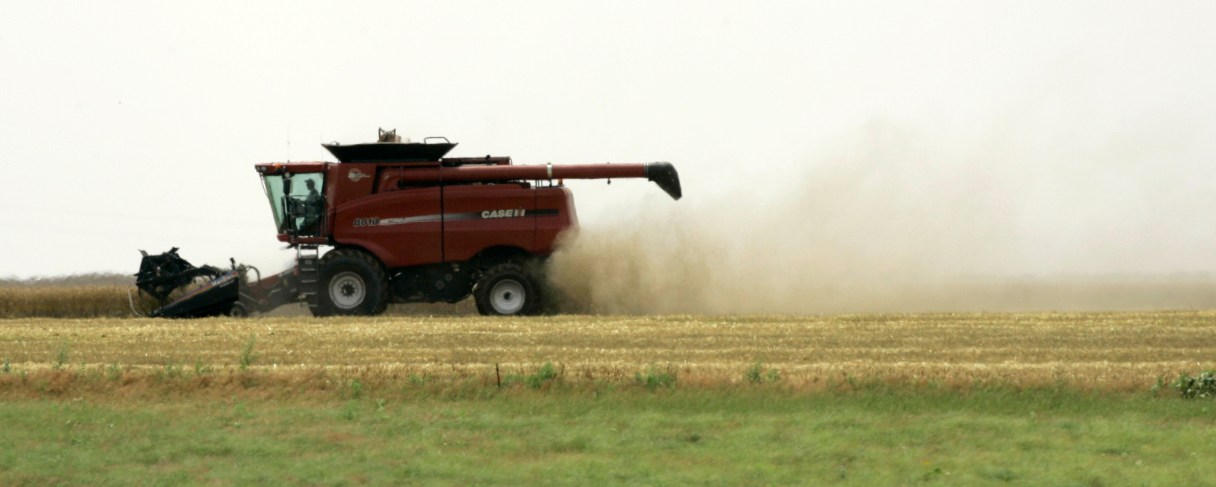
WICHITA, Kan. (AP) – A company plans to roll out a new line of tissues and paper towels this month that incorporates wheat straw and bamboo, which it hopes will provide a rapidly renewable and environmentally friendly source of fiber for its products while giving farmers a new market for what remains after the grain is harvested.
Kimberly-Clark Professional, which manufactures Kleenex and Scott brand products, says its new “GreenHarvest” line will blend in 20 percent wheat straw, which it hopes will ease demand for the tree fiber and recycled paper it already uses. It will help conserve natural resources and address what the Roswell, Georgia-based company expects will be dwindling supplies of recycled paper.
“As we become more and more digital and perhaps that resource becomes less and less available, what is next? How are we going to continue to make paper products? And looking at these non-tree plant fiber alternatives is the next step,” said Iris Schumacher, the company’s North American sustainability leader. She said she thinks Kimberly-Clark’s incorporation of the new fiber sources into everyday essentials such as toilet paper will likely lead competitors to follow suit.
Wheat straw is already used in a few paper products, including a line of copy paper made of 80 percent straw that Staples sells. And later this month, the industry trade group Kansas Wheat will be meeting with representatives from a Tiawanese company called npulp that uses wheat straw to make corrugated paper and packaging materials.
Scientific developments are also making it easier to break down cellulosic plant material and turn it into biofuels, and that makes plant material such as wheat straw and corn stover more attractive sources for cellulosic biofuel plants like the one operating in Holcomb, Kansas.