
CAPE CANAVERAL, Fla. (AP) – The next space station grocery run will carry caffeine to a whole new level: Aboard the SpaceX supply ship is an authentic espresso machine straight from Italy.
SpaceX is scheduled to launch its unmanned rocket with the espresso maker – and 4,000 pounds of food, science research and other equipment – Monday afternoon.
The experimental espresso machine is intended for International Space Station astronaut Samantha Cristoforetti of Italy. It was supposed to arrive in January, shortly after her arrival, so she could get some relief from the station’s instant coffee. But it ended up on the back burner after a station shipment from Virginia was lost in a launch explosion.
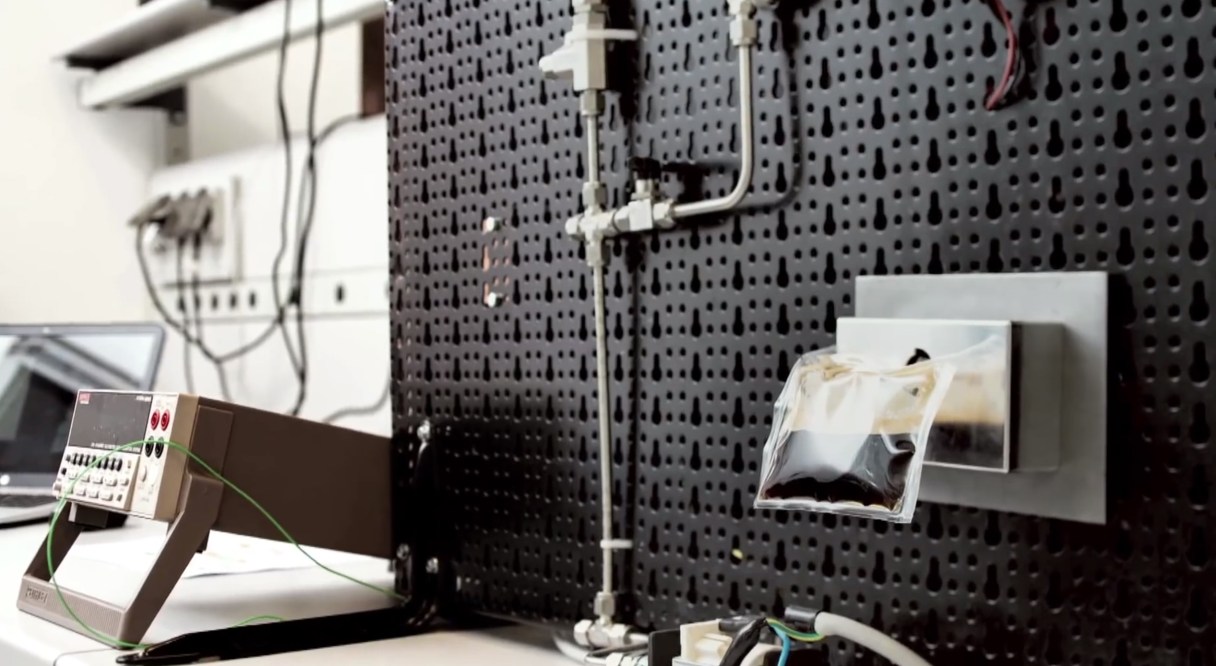
The espresso maker is dubbed ISSpresso – ISS standing for International Space Station. Italian coffee giant Lavazza joined forces with the Turin-based engineering company Argotec and the Italian Space Agency to provide a specially designed machine for use off the planet. NASA certified its safety.
NASA’s space station program deputy manager, Dan Hartman, said it’s all part of making astronauts feel at home as they spend months – and even up to a year – in orbit. Already, Mission Control gives astronauts full access to email, phone calls, private video hookups, and live news and sports broadcasts.