
DUFFIELD, Va. (AP) – In a warehouse in Virginia’s southwestern tip, a forklift stacks crates of cabbages and preserves onto a truck bound for a big-name grocer.
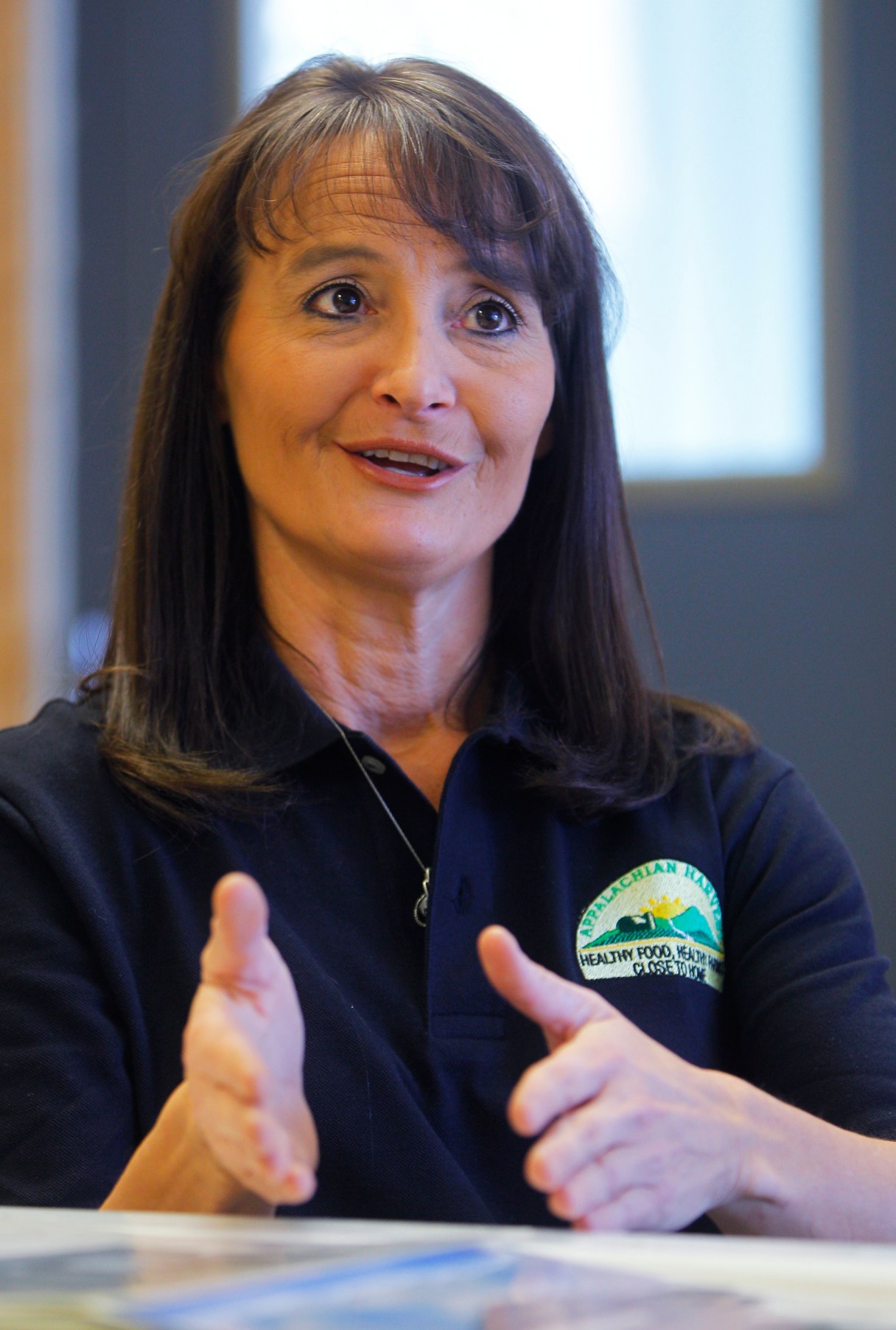
Even in the lull before growing season, it’s a busy day at Appalachian Harvest, a 15-year-old nonprofit that’s a standout success in a distressed region where economic development efforts come and go.
The Virginia-based nonprofit organization has grown to a $1.5 million business that derives only a sliver of its budget from grants while helping farmers in remote areas sell produce to Whole Foods and other grocers. To develop its business from scratch, Appalachian Harvest has fine-tuned how it helps farmers while expanding from organic to conventional crops and learning a crash-course in trucking.
For decades, economic development has been an important but difficult goal in a region where farmers have faced the decline of tobacco and communities have seen mining and industrial jobs dwindle. Increasingly, Appalachian entrepreneurs are combining charitable goals with the discipline needed to make money off goods and services.
Appalachian Harvest is considered a pioneer of this model for helping small farms pool produce into tractor-trailer loads for brokers and chains that also include North Carolina-based Ingles and Food City, which has stores in Virginia, Tennessee and Kentucky.