
Sunday, November 1, 2026Nov 1

This story is free to read.

Parasite yet another threat to already troubled amphibians

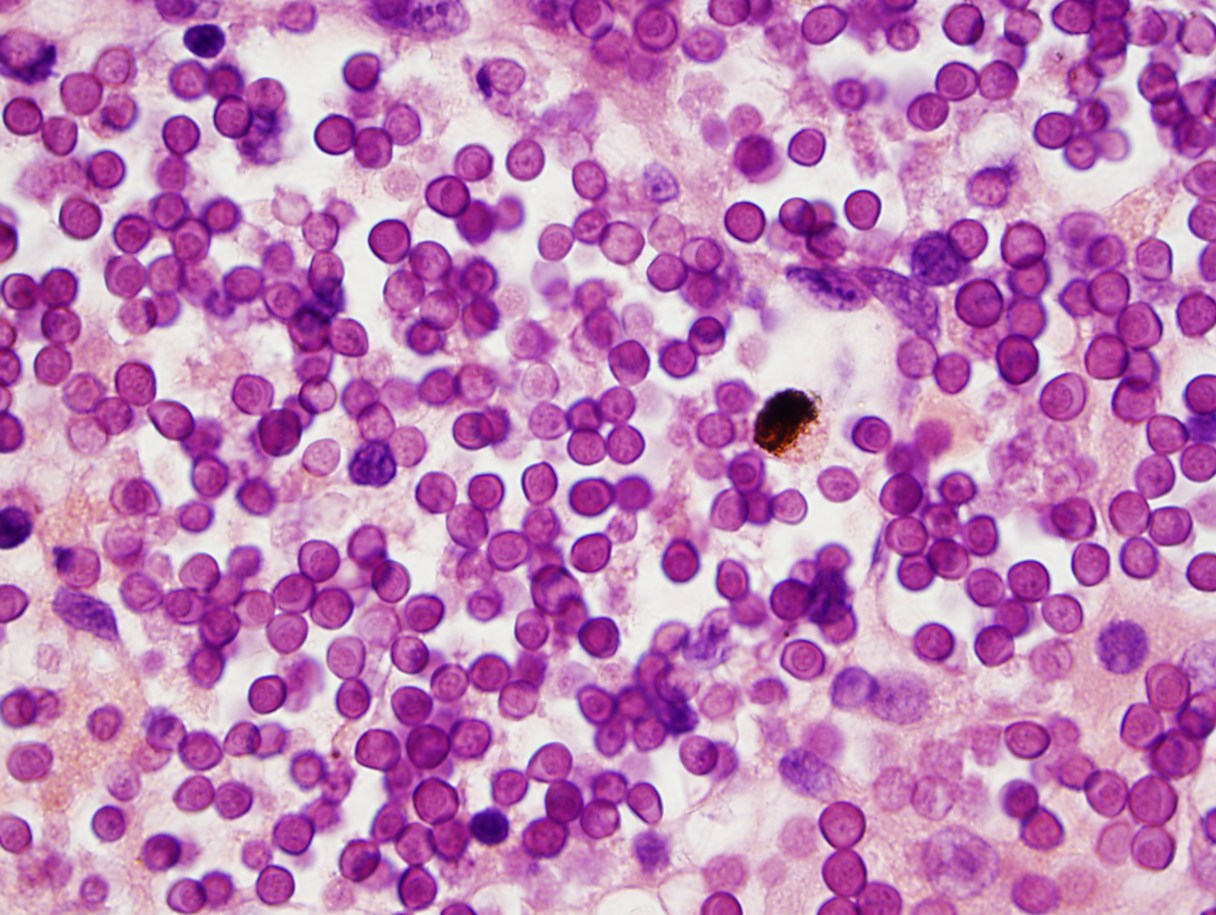
This handout image provided by Michael J. Yabsley, University of Georgia is from the liver of a tadpole that died in 2006 as part of a mass die-off in a lake in Athens, Ga., and magnified 100 times. The purple dots are stained parasites that have now turned up in frogs and tadpoles worldwide and is just one more threat for an already declining amphibian population. (University of Georgia./Michael J. Yabsley via AP)
This handout image provided by Michael J. Yabsley, University of Georgia is from the liver of a tadpole that died in 2006 as part of a mass die-off in a lake in Athens, Ga., and magnified 100 times. The purple dots are stained parasites that have now turned up in frogs and tadpoles worldwide and is just one more threat for an already declining amphibian population. (University of Georgia./Michael J. Yabsley via AP) This handout image provided by Michael J. Yabsley, University of Georgia is from the liver of a tadpole that died in 2006 as part of a mass die-off in a lake in Athens, Ga., and magnified 100 times. The purple dots are stained parasites that have now turned up in frogs and tadpoles worldwide and is just one more threat for an already declining amphibian population. (University of Georgia./Michael J. Yabsley via AP)

WASHINGTON (AP) – Scientists have identified a new problem for amphibians, which are already shrinking in numbers: A parasite is infesting tadpoles worldwide.

The family of parasites, related to a bug that attacks oysters, has been found in the livers of frogs and tadpoles on three continents and in both temperate and tropical climates. Researchers linked it to a mass die-off of tadpoles in a Georgia lake and probably elsewhere in the United States.

The global distribution of the newly identified threat to frogs was published Monday by the Proceedings of the National of Academy of Sciences.

Study lead author Thomas Richards said amphibian numbers are already falling because of habitat loss, climate change, fungus and other diseases. He said this new parasite is just one more threat.