
Tuesday, November 3, 2026Nov 3

This story is free to read.

No-fly list case could shed light on US terror predictions

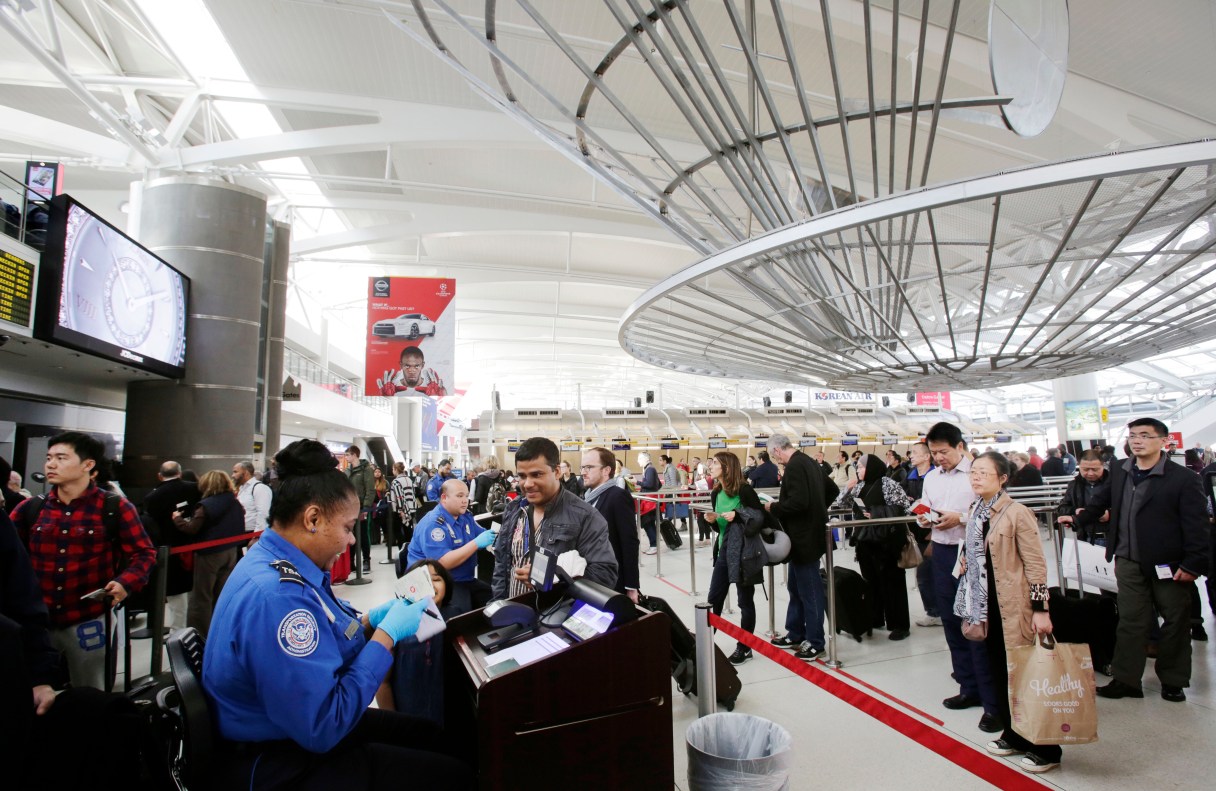
FILE - In this Oct. 30, 2014, file photo, a TSA officer, left, checks a passenger's ticket, boarding pass and passport as part of security screening at John F. Kennedy International Airport in New York. A court challenge over the difficulty for airline passengers to remove their names from the U.S. government’s no-fly list is taking an unexpected twist, now focusing on the mysterious ways federal agents add passenger names to the list in the first place.  (AP Photo/Mark Lennihan, File)
FILE - In this Oct. 30, 2014, file photo, a TSA officer, left, checks a passenger's ticket, boarding pass and passport as part of security screening at John F. Kennedy International Airport in New York. A court challenge over the difficulty for airline passengers to remove their names from the U.S. government’s no-fly list is taking an unexpected twist, now focusing on the mysterious ways federal agents add passenger names to the list in the first place. (AP Photo/Mark Lennihan, File) FILE - In this Oct. 30, 2014, file photo, a TSA officer, left, checks a passenger's ticket, boarding pass and passport as part of security screening at John F. Kennedy International Airport in New York. A court challenge over the difficulty for airline passengers to remove their names from the U.S. government’s no-fly list is taking an unexpected twist, now focusing on the mysterious ways federal agents add passenger names to the list in the first place. (AP Photo/Mark Lennihan, File)

WASHINGTON (AP) – A court challenge over the difficult process for airline passengers to remove their names from the U.S. government’s no-fly list is taking an unexpected twist, now focusing on the mysterious ways federal agents add passenger names to the list in the first place.

The latest filing in a five-year federal case challenges the validity of the government’s undisclosed method of predicting who might commit a terrorist act.

The legal fight could shed new insights into the government’s secret practice of trying to predict future terrorist plots based on details about an airline passenger’s friendships, travels, financial transactions and more.