
Sunday, November 1, 2026Nov 1

This story is free to read.

EPA downplays dangers of mine spill, but concerns linger

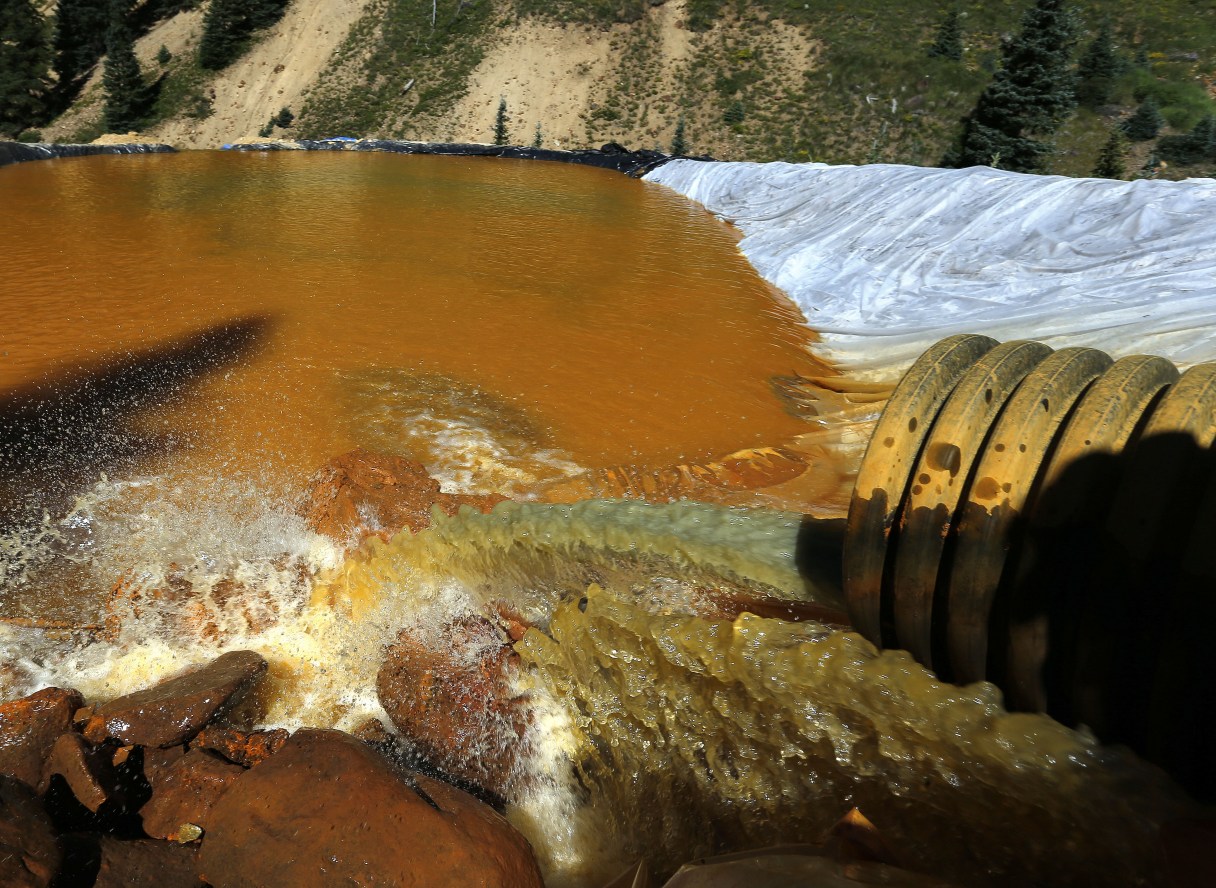
FILE - In this Aug. 14, 2015 file photo, water flows through a series of sediment retention ponds built to reduce heavy metal and chemical contaminants from the Gold King Mine wastewater accident, in the spillway about 1/4 mile downstream from the mine, outside Silverton, Colo. State and tribal officials remain concerned over river bottoms contaminated by a toxic mine spill that fouled waterways in three Western states, even as the federal agency that triggered the accident has sought to downplay the danger. Federal contractors released more than 3 million gallons of contaminated water Aug. 5 while working at an inactive mine site near Silverton. (AP Photo/Brennan Linsley, file)
FILE - In this Aug. 14, 2015 file photo, water flows through a series of sediment retention ponds built to reduce heavy metal and chemical contaminants from the Gold King Mine wastewater accident, in the spillway about 1/4 mile downstream from the mine, outside Silverton, Colo. State and tribal officials remain concerned over river bottoms contaminated by a toxic mine spill that fouled waterways in three Western states, even as the federal agency that triggered the accident has sought to downplay the danger. Federal contractors released more than 3 million gallons of contaminated water Aug. 5 while working at an inactive mine site near Silverton. (AP Photo/Brennan Linsley, file) FILE - In this Aug. 14, 2015 file photo, water flows through a series of sediment retention ponds built to reduce heavy metal and chemical contaminants from the Gold King Mine wastewater accident, in the spillway about 1/4 mile downstream from the mine, outside Silverton, Colo. State and tribal officials remain concerned over river bottoms contaminated by a toxic mine spill that fouled waterways in three Western states, even as the federal agency that triggered the accident has sought to downplay the danger. Federal contractors released more than 3 million gallons of contaminated water Aug. 5 while working at an inactive mine site near Silverton. (AP Photo/Brennan Linsley, file)

More than two weeks after a mine spill fouled waterways in three Western states, officials are expressing concern over the long-term effects of contaminated river bottoms as the federal agency that triggered the accident downplayed the dangers.

U.S. Environmental Protection Agency workers released more than 3 million gallons of contaminated water Aug. 5 while working at an inactive mine site near Silverton, Colorado.

Poisons including lead and thallium have been detected in sediment samples collected from the Animas River. The river travels from Colorado into northern New Mexico, joining the San Juan River before emptying into Utah’s Lake Powell.

The EPA has said the contamination is returning to pre-spill levels as the plume passes. But officials in Colorado, New Mexico and Utah cite potential harm to private drinking wells and river life.