
Monday, November 9, 2026Nov 9

Amelia Boynton Robinson noted as fearless, tireless leader

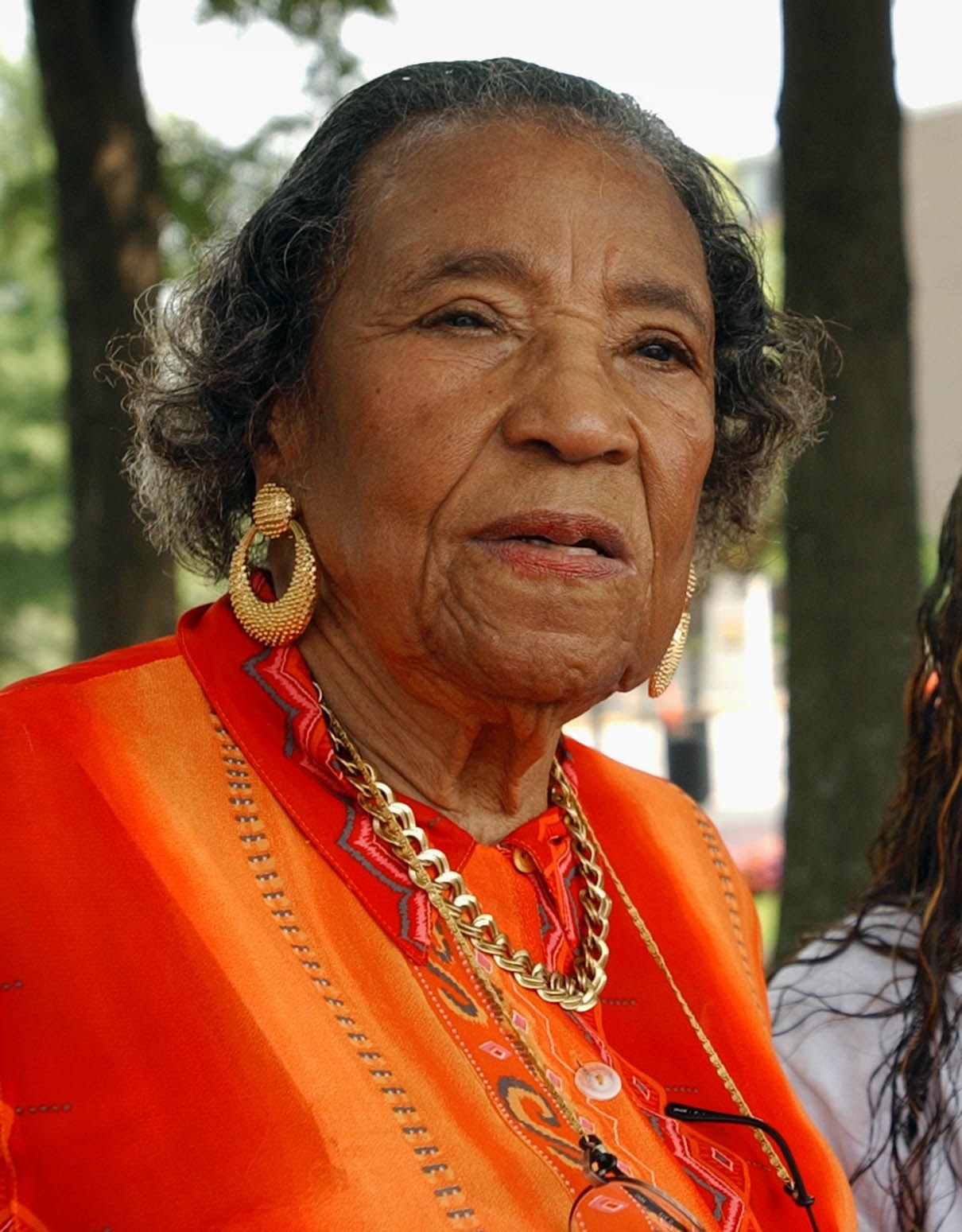
FILE - In this Aug. 26, 2003 file photo, Amelia Boynton, Robinson appears at an American Civil Rights Education Services tour at the Martin Luther King, Jr. National Historic Site in Atlanta. Boynton Robinson, a civil rights activist who nearly died while helping lead the Selma march on “Bloody Sunday,” championed voting rights for blacks, and was the first black woman to run for Congress in Alabama, died Wednesday, Aug. 26, 2015. She was 104. Boynton Robinson was hospitalized in July after having a major stroke and turned 104 on Aug. 18. (AP Photo/Gregory Smith, File)
FILE - In this Aug. 26, 2003 file photo, Amelia Boynton, Robinson appears at an American Civil Rights Education Services tour at the Martin Luther King, Jr. National Historic Site in Atlanta. Boynton Robinson, a civil rights activist who nearly died while helping lead the Selma march on “Bloody Sunday,” championed voting rights for blacks, and was the first black woman to run for Congress in Alabama, died Wednesday, Aug. 26, 2015. She was 104. Boynton Robinson was hospitalized in July after having a major stroke and turned 104 on Aug. 18. (AP Photo/Gregory Smith, File) FILE - In this Aug. 26, 2003 file photo, Amelia Boynton, Robinson appears at an American Civil Rights Education Services tour at the Martin Luther King, Jr. National Historic Site in Atlanta. Boynton Robinson, a civil rights activist who nearly died while helping lead the Selma march on “Bloody Sunday,” championed voting rights for blacks, and was the first black woman to run for Congress in Alabama, died Wednesday, Aug. 26, 2015. She was 104. Boynton Robinson was hospitalized in July after having a major stroke and turned 104 on Aug. 18. (AP Photo/Gregory Smith, File)

BIRMINGHAM, Ala. (AP) – A newspaper photo of a woman who was beaten unconscious by law enforcement during a march across the Edmund Pettus Bridge in Selma, Alabama, revealed to a wider audience the struggles and violence black people faced while fighting for the right to vote.

Fifty years after the beating, the activist in the photograph, Amelia Boynton Robinson, held hands with the first black president of the United States as she was pushed across the bridge in a wheelchair, trailed by many others including some who were also attacked on March 7, 1965.

Boynton Robinson, widely considered one of the mothers of the civil rights movement, died in a Montgomery, Alabama, hospital at age 104, her son Bruce Boynton said. Boynton Robinson was hospitalized in July after a stroke and was surrounded by family and friends when she died early Wednesday morning, her family said in a statement.

State troopers teargased and clubbed marchers as they tried crossing the bridge during the march Boynton Robinson helped organize. Although the attack on marchers revealed ugly realities to some about how blacks were treated, Boynton Robinson had been an integral part of the civil rights movement long before the beating and iconic photo.

“The truth of it is that was her entire life. That’s what she was completely taken with,” Bruce Boynton said of his mother’s role in shaping the civil rights movement. “She was a loving person, very supportive – but civil rights was her life.”