
When Jerry Wayne Alexander Jr. and 31 other men were arrested in November 2013, city officials referred to them as the city’s “worst of the worst” drug criminals.
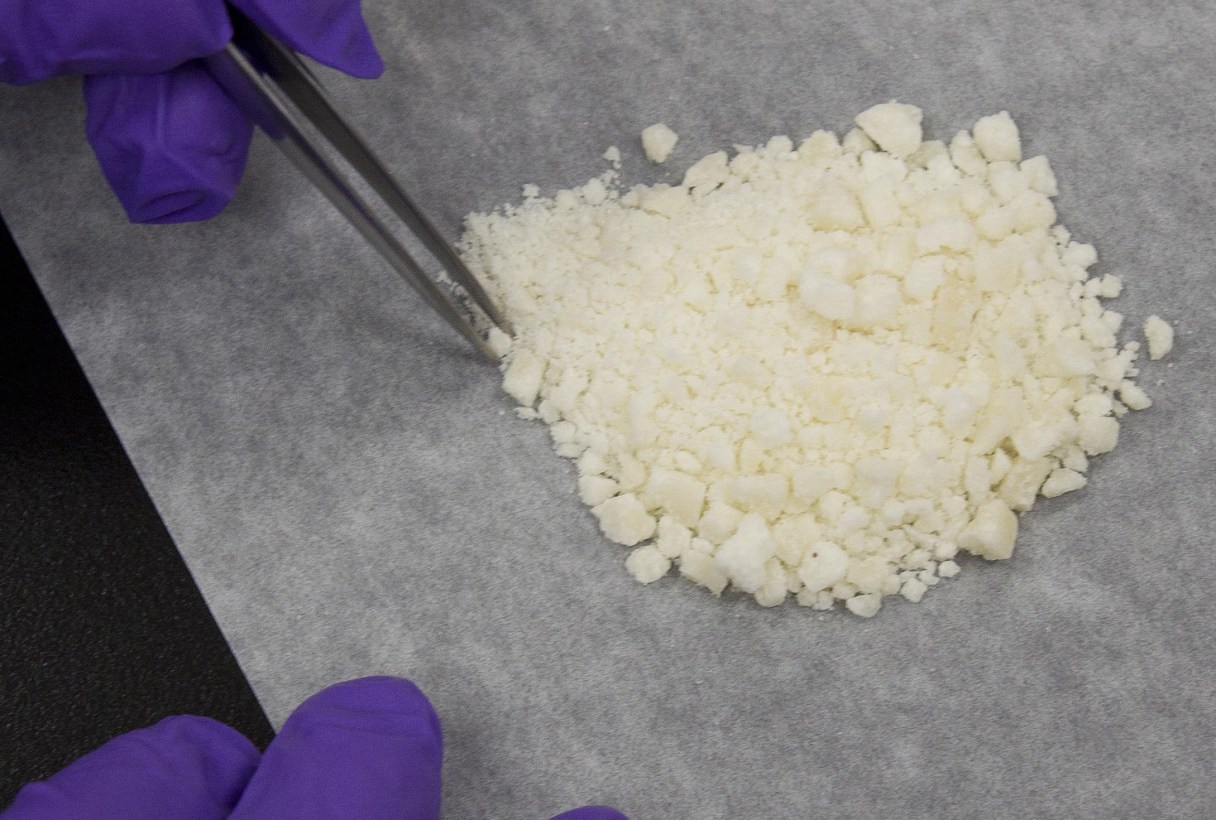
A four-year federal cocaine conspiracy investigation led to the arrests. Eight of the defendants, including Alexander, were charged together with participating in a conspiracy to distribute large quantities of cocaine.
Six of Alexander’s co-defendants have pleaded guilty or accepted a plea deal. But Alexander insisted on a trial, and 14 jurors were selected Thursday to hear his case in U.S. District Court.
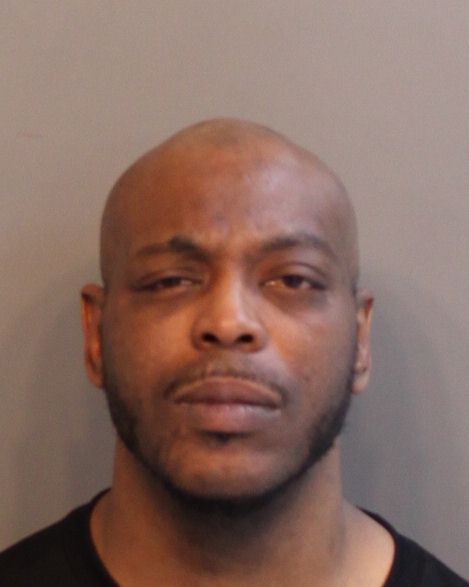 Jerry Wayne Alexander
Alexander, now 48, is charged with conspiring to distribute 280 grams or more of cocaine and conspiring to distribute heroin. Investigators say he is tied to the conspiracy in several ways, one being the “dirty calls” – those that involved drug conversations – recorded on a wiretap between him and co-defendant LaJeromeny Brown.
Tennessee Bureau of Investigation Special Agent Rod Waters testified Friday that during the 30-day period Brown’s phone was tapped in 2013, he had five or six conversations with Alexander that Waters believed were pertinent to this drug conspiracy investigation.