
WASHINGTON (AP) – Rewriting your DNA is getting closer to reality: A revolutionary technology is opening new frontiers for genetic engineering – a promise of cures for intractable diseases along with anxiety about designer babies.
Hundreds of scientists and ethicists from around the world are gathering in Washington this week to debate the boundaries of human gene editing, amid worry that the fast-moving research may outpace safety and ethics scrutiny.
It’s a question that gained urgency after Chinese researchers made the first attempt at editing genes in human embryos, a laboratory experiment that didn’t work well but did raise the prospect of one day altering human heredity – passing modified DNA to future generations.
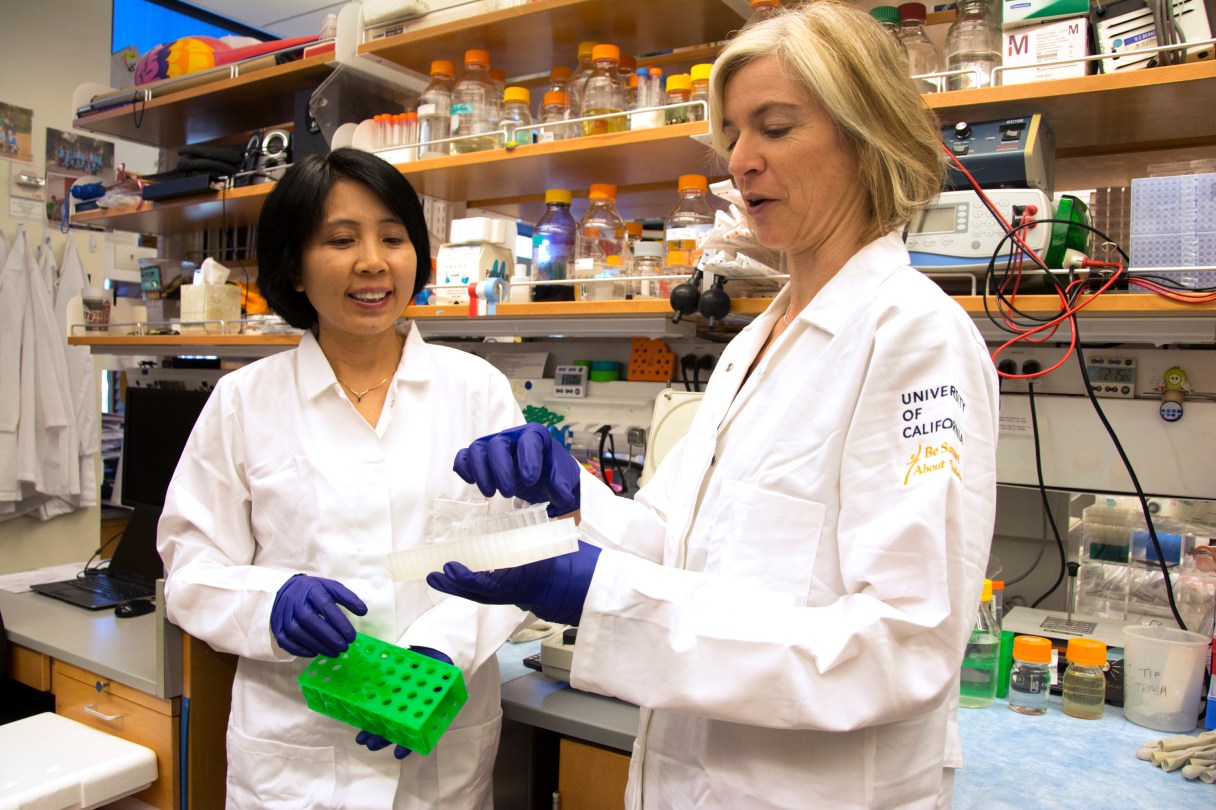
“This is a technology that could have profound implications for permanent alteration of the human genome,” molecular biologist Jennifer Doudna of the University of California, Berkeley, wrote in the journal Nature on the eve of the international summit.
Doudna co-invented the most-used gene-editing tool, and her calls for scientists, policymakers and the public to determine the right balance in how it’s eventually used led to this week’s gathering.