
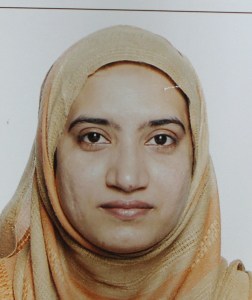
PALO ALTO, California (AP) – Tashfeen Malik, the woman involved in this week’s Southern California mass shooting, has another claim to notoriety: She’s the latest in a growing line of extremists and disturbed killers who have used social media to punctuate their horrific violence.
A Facebook official said Friday that Malik, using an alias, praised the Islamic State group in a Facebook post shortly before – or during – the attack. Malik’s posting echoes similar bids for attention by violent perpetrators, including a disgruntled Virginia broadcaster who recorded himself shooting two co-workers and then posted the video online and a Florida man who killed his wife and shared a photo of her body on social media.
Facebook, Twitter, YouTube and other social media companies do their best to block or remove posts that glorify violence. But experts say it’s an uphill battle, and the advent of new services that let people stream live video from any event will only make the task more challenging.
“Now everyone has the opportunity to talk to a larger audience,” said Karen North, a professor of digital social media at the University of Southern California’s Annenberg School. “If you commit an act and you want people to know about it, you now have a way to promote it.”
Social media didn’t invent extremist violence. But the Islamic State and similar groups have become deft at using social media to spread their message, both to recruit followers and to threaten their perceived enemies. “They can rapidly and easily identify others who share their beliefs,” said Marcus Thomas, a former assistant director of the FBI’s operational technology division.