

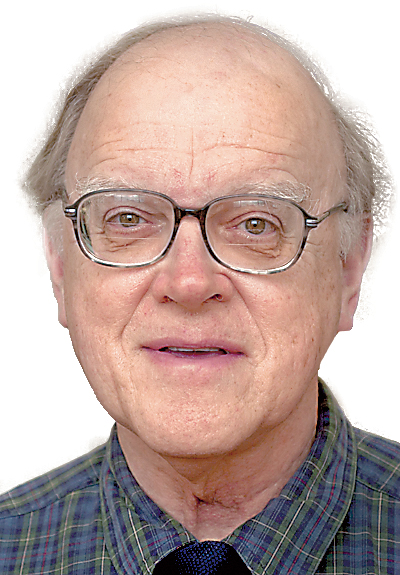
 Clif Cleaveland
Dr. Seuss – Theodor Geisel – introduced the term “grinch” in his 1957 book, “How the Grinch Stole Christmas.” The word now has entered our vocabulary to refer to mean-spirited people who steal pleasure from others.
This year has witnessed actions of individuals and companies in health care that deserve special Grinch Awards.
In February, the 11 members of the Health and Welfare Committee of the Tennessee Senate voted 7 to 4 to block Gov. Haslam’s Insure Tennessee proposal. The plan would have extended TennCare coverage to more than 280,000 low-income residents of our state. Under terms of the federal Affordable Care Act, the U.S. government would have covered all costs of the expansion for two years and 90 percent of the cost thereafter. No one can determine the deaths and needless suffering that will result from the callous vote.
Ideology or the influence of lobbyists in this instance trumped empathy. Six of the seven blocking votes came from legislators who obtain their health insurance through the state government health plan. The majority dissenters offered no alternative to the plan they opposed. So the initial Grinch Award goes to the seven blockers of health care for poor people.
The second Grinch Award goes to Martin Shkreli, a hedge fund manager and founder of Turing Pharmaceuticals. His company acquired the rights in August to Daraprim, a drug discovered more than six decades ago and used to treat toxoplasmosis, a parasitic infection that poses a deadly threat to persons infected with HIV. In September, Turing raised the price of Daraprim from $13.50 to $750 a tablet. A six-week-long course of treatment will now cost upwards of $60,000 dollars. And patients with HIV may have to remain on the drug for prolonged periods. Shkreli justified the price increase by claiming that the additional revenue was needed to fund research.
While he later said he’d offer Daraprim to hospitals at a discount of up to 50 percent, Shkreli was arrested on Dec. 17 on unrelated charges of securities fraud.
Other makers of generic drugs sharply raised the cost of their products during the year for no apparent motive other than enriching company owners. They will remain on a watch list for future Grinch Awards.
Hearings before the U.S. Senate Finance Committee earlier this month focused upon the cost of Sovaldi, a drug manufactured by Gilead Sciences, Inc., and used to treat Hepatitis C. A bipartisan report of the committee sharply criticized the drug manufacturer for its arbitrary pricing of Sovaldi, which is far above the costs of development and marketing. The retail price of a single pill is $1,000; a typical course of therapy costs $84,000.
Sovaldi can cure the viral disease which untreated results in liver failure or cancer. Other countries have challenged both the patent and the cost of the drug. The high cost of Sovaldi places a special stress on Medicaid and prison systems where many cases of Hepatitis C are found. Gilead Scientific claims the third Grinch Award.
The final Grinch Award goes to Pfizer. In November, the giant pharmaceutical company announced a merger with Allergan PLC, a company based in Ireland. The so-called inverse merger places the new company’s legal and tax residency in Dublin, a deal that reduces Pfizer’s effective tax rate from 25 to 18 percent. Pfizer will continue to generate huge profits from sales of its products in the U.S. but will pay far less in taxes because of its technically foreign address.
Politics and greed can undermine health care unless we rein them in.
Contact Clif Cleaveland at ccleaveland@timesfreepress.com.