
Tuesday, November 10, 2026Nov 10

World Health Organization says Ebola cases increase slightly

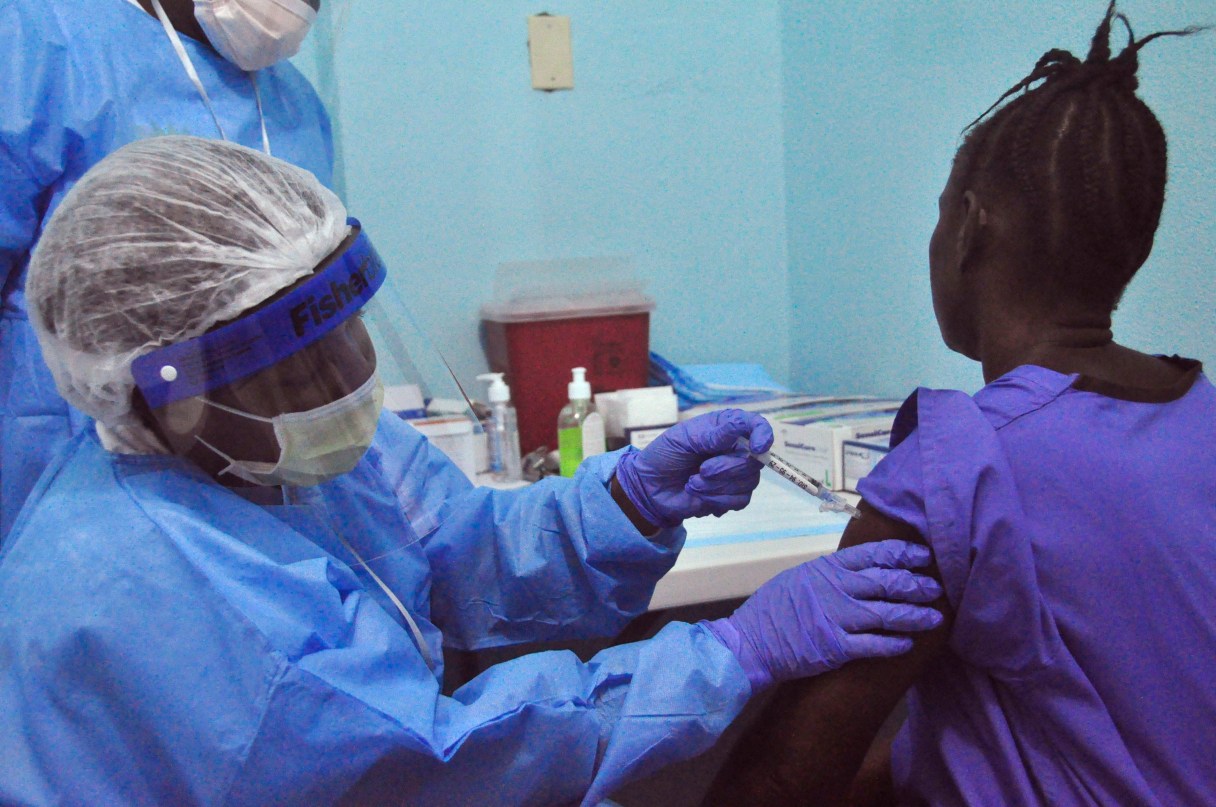
A woman is injected by a health care worker, left, as she takes part in an Ebola virus vaccine trial, at one of the largest hospital's Redemption hospital in Monrovia, Liberia, Monday, Feb. 2, 2015. A large-scale human trial of two potential Ebola vaccines got under way in Liberia's capital Monday, part of a global effort to prevent a repeat of the epidemic that has now claimed nearly 9,000 lives in West Africa. (AP Photo/ Abbas Dulleh)
A woman is injected by a health care worker, left, as she takes part in an Ebola virus vaccine trial, at one of the largest hospital's Redemption hospital in Monrovia, Liberia, Monday, Feb. 2, 2015. A large-scale human trial of two potential Ebola vaccines got under way in Liberia's capital Monday, part of a global effort to prevent a repeat of the epidemic that has now claimed nearly 9,000 lives in West Africa. (AP Photo/ Abbas Dulleh) A woman is injected by a health care worker, left, as she takes part in an Ebola virus vaccine trial, at one of the largest hospital's Redemption hospital in Monrovia, Liberia, Monday, Feb. 2, 2015. A large-scale human trial of two potential Ebola vaccines got under way in Liberia's capital Monday, part of a global effort to prevent a repeat of the epidemic that has now claimed nearly 9,000 lives in West Africa. (AP Photo/ Abbas Dulleh)

LONDON (AP) – The number of Ebola cases in West Africa has gone up for the first time this year, the World Health Organization says, warning that the coming rainy season could complicate efforts to contain the disease.

In an update published online Wednesday, the U.N. health agency said there were 124 confirmed cases last week, up from 99 the week before.

WHO said there are continuing problems tracking the spread of the virus. Only 21 percent of new cases in Sierra Leone were from known contacts, meaning health officials have no idea how the majority of new patients are being infected and where the virus might be lurking.

In Guinea, about half of new patients were from contacts of other cases, and 10 of 34 prefectures in the country reported at least one security problem or refusal to cooperate with international aid efforts in the last week. Ebola is also continuing to spread to new areas in Guinea, close to the border with Mali.

WHO noted that a single unsafe burial in Guinea in early January sparked nearly a dozen confirmed cases. The bodies of people killed by Ebola are highly infectious and traditional burial practices that involve washing or kissing the body are extremely risky.