
Animal protection tips
If you want to keep your own furry friend safe from frigid temperatures, the Humane Society recommends these steps: Keep pets inside if at all possible If a pet spends lots of time outdoors, make sure they have warm, dry shelt that is big enough for them to lie down comfortably. In Tennessee, outdoor pets must have a shelter that’s sufficient to maintain their body heat. Provide plenty of food and water Salt can be irritating to paws, and warm engines can be dangerously appealing to cats and wildlife. Be careful! Carefully monitor any antifreeze left outside, as it can be appealing and deadly to pets.
The jaguars are snarling from inside a heated pen. The camels are wearing jackets. The cranes, Niles and Frasier, are cooped up in a warm enclosure.
Chattanooga Zoo animals are riding out this arctic blast with more grace than most grumbling humans.
Read more
No relief from cold: Up to 4 inches of snow could arrive today, too
“This is crazy-cold,” Chattanooga Zoo Executive Director Darde Long said.
Signs of the deep freeze were all over the zoo Thursday. A “hand washing station” with a running fountain was surrounded by a ring of ice, and small water features and ponds were frozen solid throughout the park. Many exhibits were empty, but no visitors were there to notice.
Thursday’s cold wasn’t enough to induce panic, but Long said workers spent much of Thursday morning moving animals, defrosting water and managing animal safety.
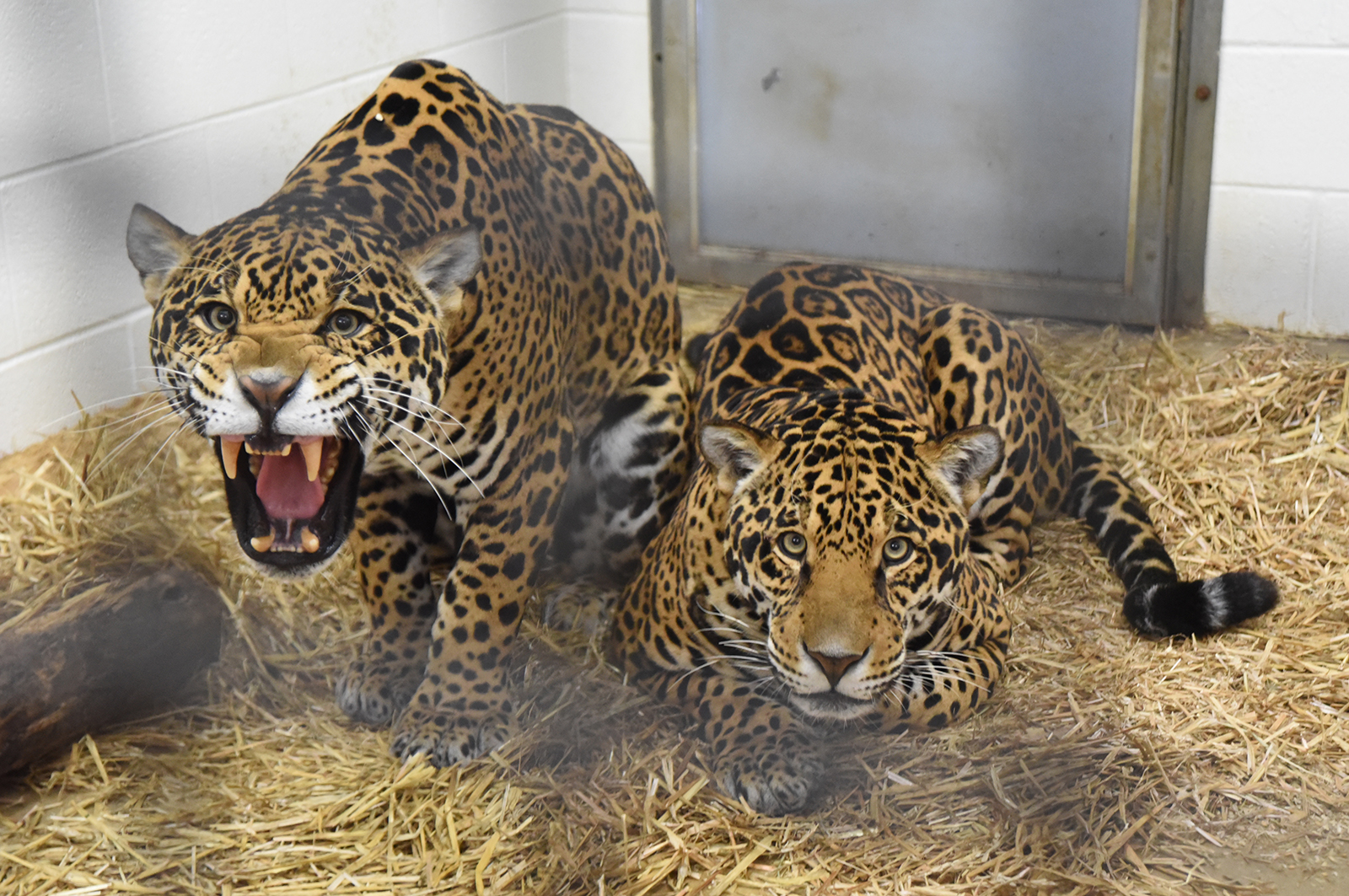 Jaguars Phil and Gene have been placed in a hay-lined cage to keep them warm Thursday at the Chattanooga Zoo.
Zookeepers say each animal’s native climate will determine how well it can handle the cold, and extreme weather necessitates extra precautions to keep them safe. Each type has a set temperature below which it needs to be brought inside, Long said.
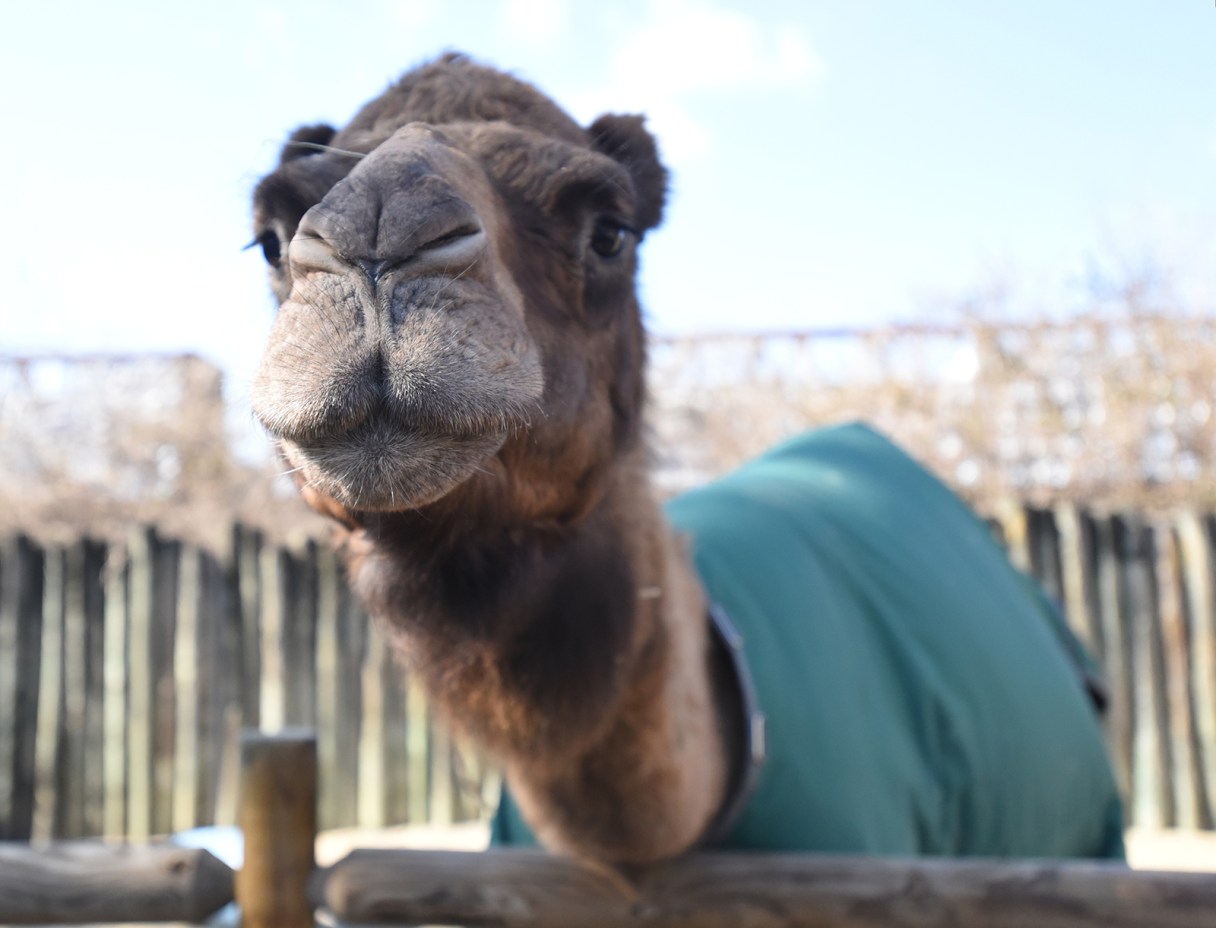
The camels, for instance, are used to the extreme cold they’d encounter in a desert habitat at night. But their coats won’t grow as thick in our climate, so the zoo ordered heavy jackets made for horses to keep them insulated and warm. They’re also fed extra hay during the winter to keep their digestion working and their body temperatures high.
Goats, a cow and other familiar barnyard animals are kept outside, but with covered enclosures nearby.
Two brown-nosed coatis named Nassau and Scooter, on the other hand, are used to Africa’s warmth. The raccoonlike mammals were moved to an indoor pen before the cold snap, general curator Stacy Laberdee said.
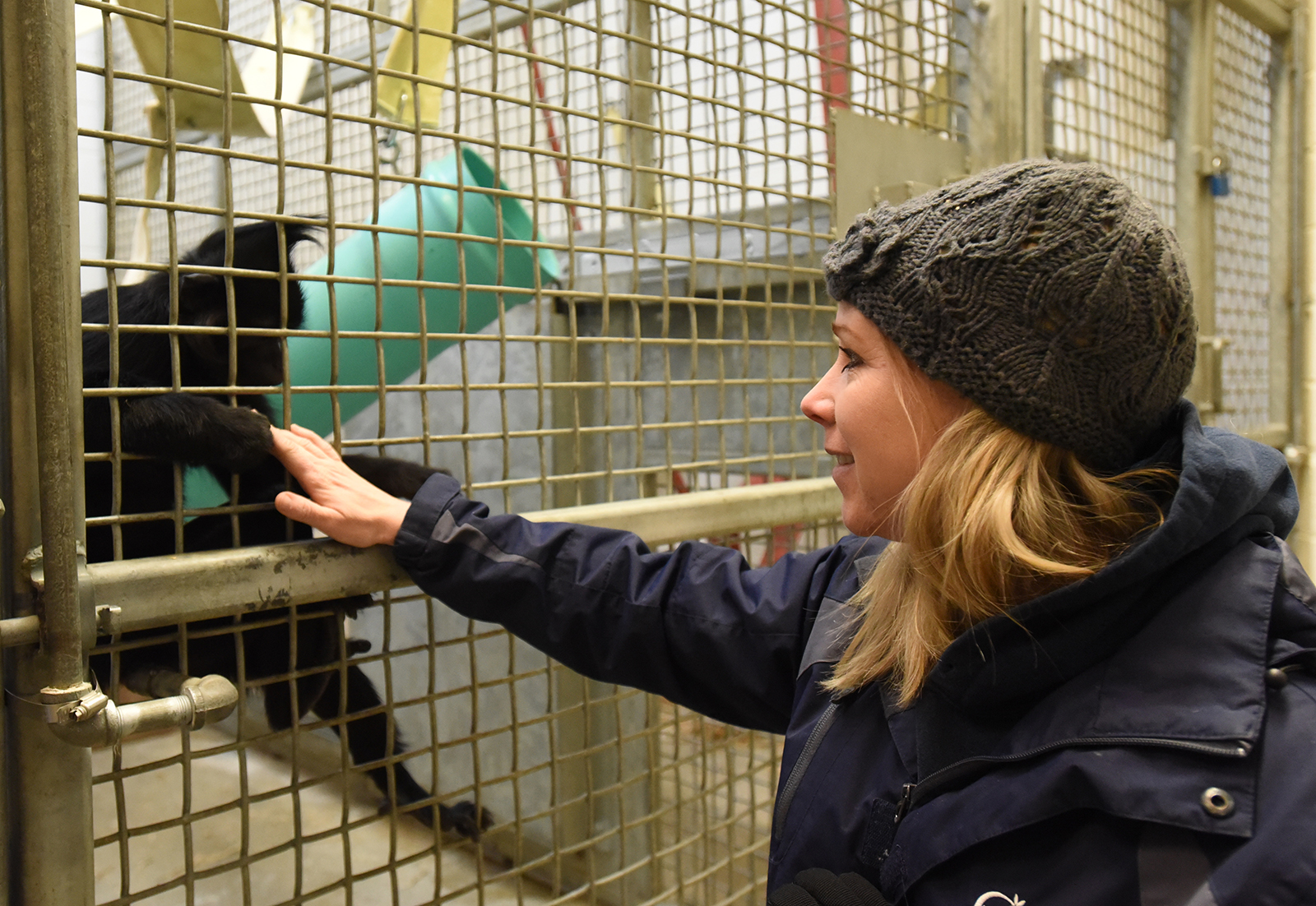 Stacy Laberdee interacts with Roxy, a Black Mangabey Thursday at the Chattanooga Zoo.
Zoo workers use the facility’s varied enclosures to keep animals warm in whatever way is most appropriate. Some pens, like the chimpanzees’, are already inside. Others, like South American jaguars Phil and Jean, would normally have access to outdoor pens in the winter, but were kept inside during Thursday’s extreme cold. And native North American animals like coyotes, white-tailed deer, peacocks and turkeys are built for cold and stay outside.
Even in normal winter temperatures, their pens are sometimes fitted with hidden heaters.
“You have to get really creative,” Long said, because primates will pull out heaters if they aren’t well hidden.
Forecasters don’t expect temperatures to heat up before Saturday, and today will likely bring a mix of snow and freezing rain.
Contact staff writer Claire Wiseman atcwiseman@timesfreepress.com or 423-757-6347.Follow her on Twitter@clairelwiseman.