
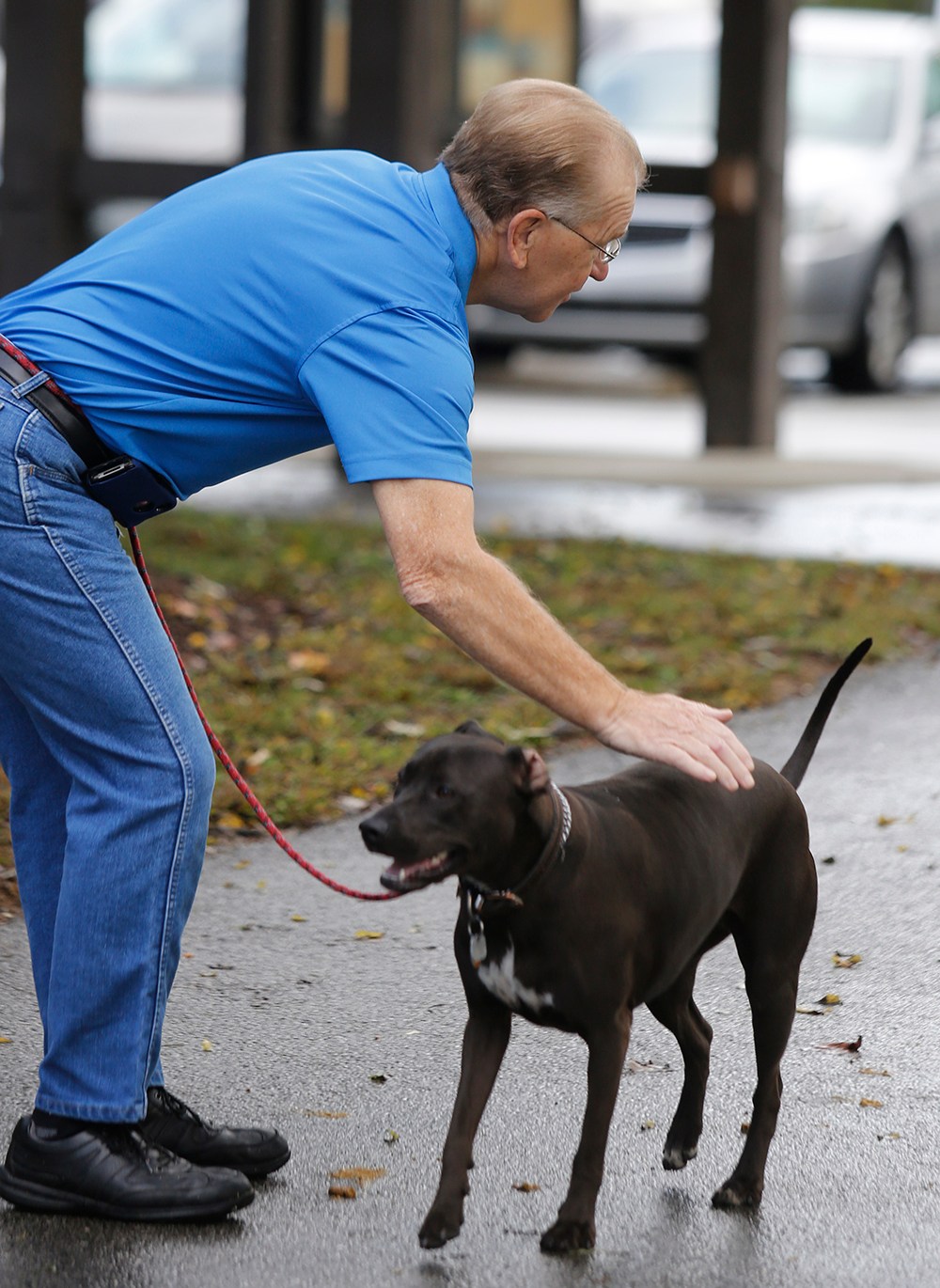
Fur coats or no, animals can still suffer from frostbite and exposure, as well as dehydration when sources of water freeze, according to a warning issued by the People for the Ethical Treatment of Animals.
The nonprofit receives thousands of complaints about people who leave pets outside in the cold, and deep freezes – like those on the way to Chattanooga – can be especially tough on backyard dogs, PETA says.
PETA advises pet owners to keep animals indoors, especially puppies, kittens, elderly animals, small animals, and dogs with short hair. Examples of short-haired breeds include pointers, beagles, pit bulls, Rottweilers and Doberman pinschers.
Don’t forget to wipe off the legs, feet and stomach of dogs and cats when they come in from the snow. The salt and other chemicals they pick up can make them sick, as well as cause damage inside.
Pets get hungrier when they’re cold because they’re burning more calories to stay warm, so up their rations if you can, PETA advises.
Consider other pet owners, too. Show a little kindness to stay animals belonging to other by taking them inside until you can find their guardians or take them to an animal shelter. Call the local humane society if an animal is too skittish to apprehend.
And finally, don’t forget the birds and other wildlife. Throw some birdseed on the ground if you want to take care of your flying friends, but remember to remove the food once weather improves to encourage those animals to move onto warmer areas.