
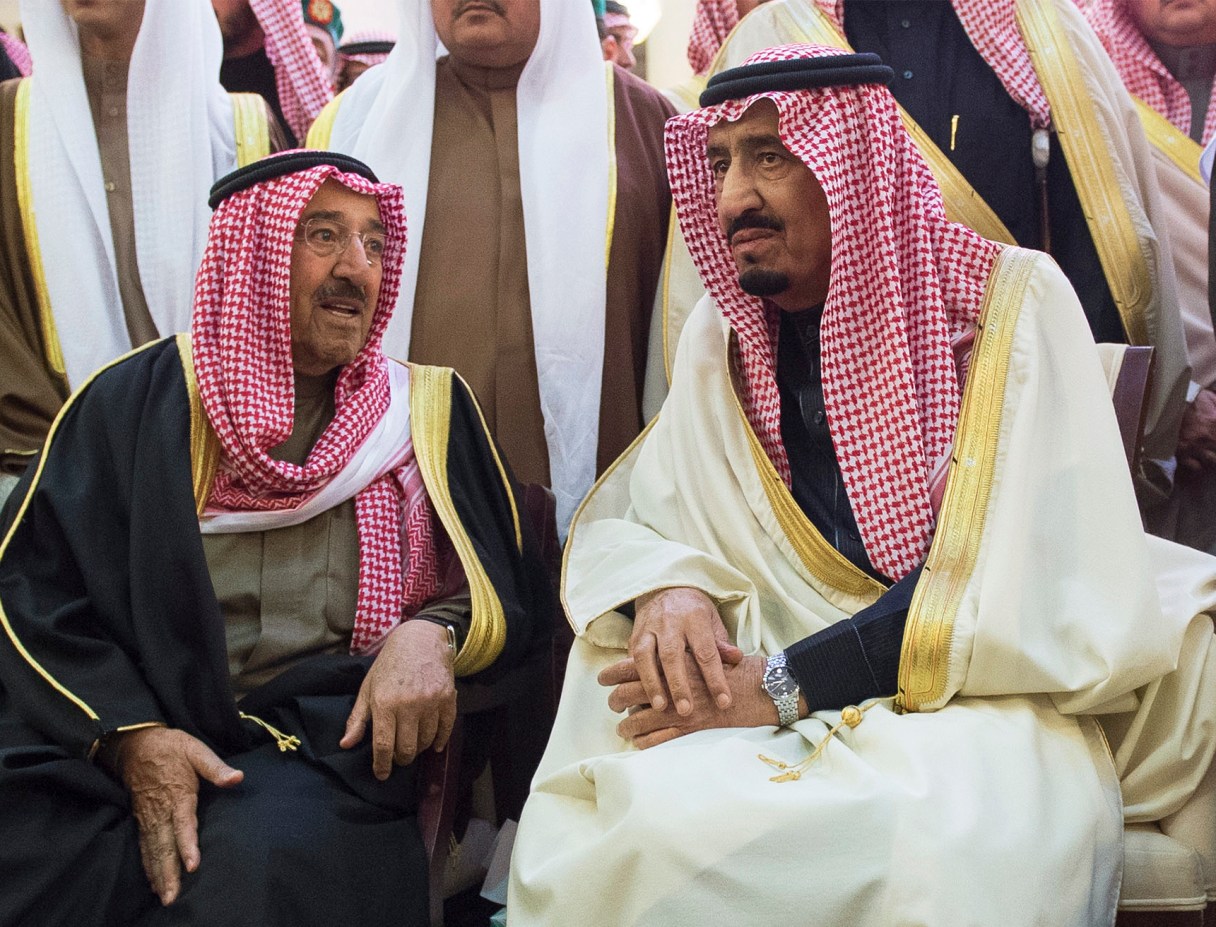
DUBAI, United Arab Emirates (AP) – Saudi Arabia’s new monarch inherits the throne at a moment when the oil-rich kingdom is being buffeted by a plunge in the value of its most valuable commodity, growing challenges by activists at home and deepening turmoil on its borders that stands to benefit rival Iran.
Those who know King Salman bin Abdul-Aziz Al Saud note the 79-year-old’s diplomatic skills, honed over nearly five decades as governor of the capital, Riyadh. Those abilities will be put to the test as he positions his country to confront a collapsing Yemen on its southern frontier and threats from the extremist Islamic State group to the north in Iraq.
But he is unlikely to bring fundamental changes to the country’s policies and its embrace of the ultraconservative Wahhabi brand of Sunni Islam.
Saudi kings derive their legitimacy through the support of the clerical establishment, limiting the potential for radical change. Salman already has had plenty of opportunity to put his stamp on Saudi policies, both in his role as defense minister since 2011 and as he increasingly took over duties for his half brother, King Abdullah, who died early Friday.
Salman made clear he has no intention to shift course in a nationally televised address hours after he succeeded Abdullah, vowing to hew to “the correct policies which Saudi Arabia has followed since its establishment.”