
Tuesday, November 10, 2026Nov 10

South Africa grants parole to apartheid death squad leader

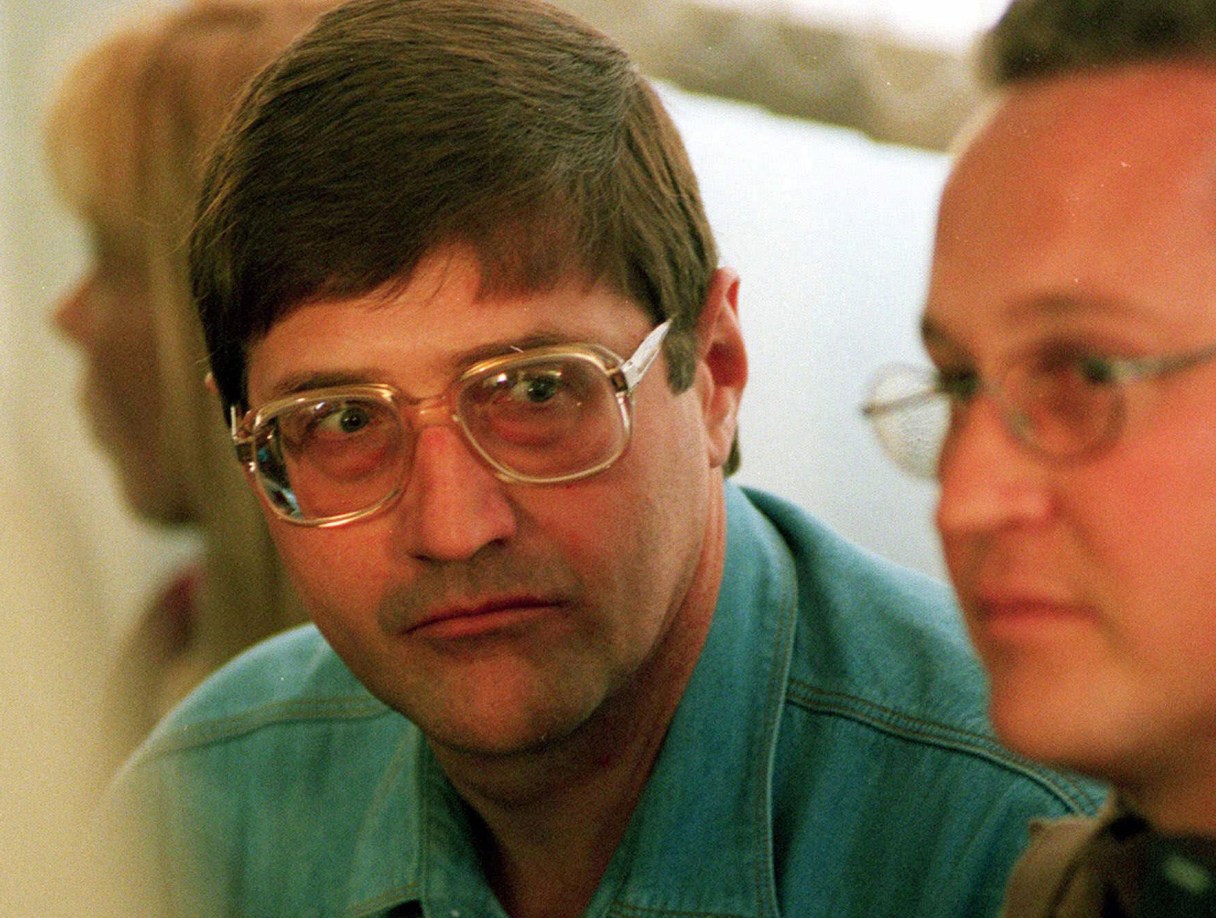
FILE -  In this Sept. 14, 1998 file photo, Eugene de Kock, the head of a covert police unit that tortured and killed dozens of people, attends an amnesty hearing of the Truth and Reconciliation Commission (TRC) in Pretoria, South Africa. Eugene de Kock, a death squad leader for the apartheid state, has been granted parole after two decades in jail, the South African government announced Friday, Jan. 30, 2015. (AP Photo/Denis Farrell, File)
FILE - In this Sept. 14, 1998 file photo, Eugene de Kock, the head of a covert police unit that tortured and killed dozens of people, attends an amnesty hearing of the Truth and Reconciliation Commission (TRC) in Pretoria, South Africa. Eugene de Kock, a death squad leader for the apartheid state, has been granted parole after two decades in jail, the South African government announced Friday, Jan. 30, 2015. (AP Photo/Denis Farrell, File) FILE - In this Sept. 14, 1998 file photo, Eugene de Kock, the head of a covert police unit that tortured and killed dozens of people, attends an amnesty hearing of the Truth and Reconciliation Commission (TRC) in Pretoria, South Africa. Eugene de Kock, a death squad leader for the apartheid state, has been granted parole after two decades in jail, the South African government announced Friday, Jan. 30, 2015. (AP Photo/Denis Farrell, File)

JOHANNESBURG (AP) – The South African government Friday granted parole to Eugene de Kock, the head of a covert unit for the apartheid state responsible for dozens of deaths, saying it is in the interest of national reconciliation. But those who knew de Kock’s victims are struggling to accept his release.

Eddie Makue, who worked for the South African Council of Churches when de Kock bombed its headquarters in 1988 injuring 19 people, is ambivalent about the announcement that de Kock has been granted parole.

“It’s mixed feelings, which is something we’ve gotten used to as South Africans,” Makue told The Associated Press in a telephone interview.

Makue, now a member of South Africa’s parliament, said he accepted Justice Minister Michael Masutha’s reasons for granting de Kock parole but struggled to accept the harm de Kock and his unit had inflicted on their prisoners.

“We have seen what devastation it has caused to them and we find it difficult to understand that he got off,” he said, adding that his faith compelled him to believe that de Kock had changed.