
Saturday, November 7, 2026Nov 7

This story is free to read.

McConnell’s role in surveillance bill bewilders his friends

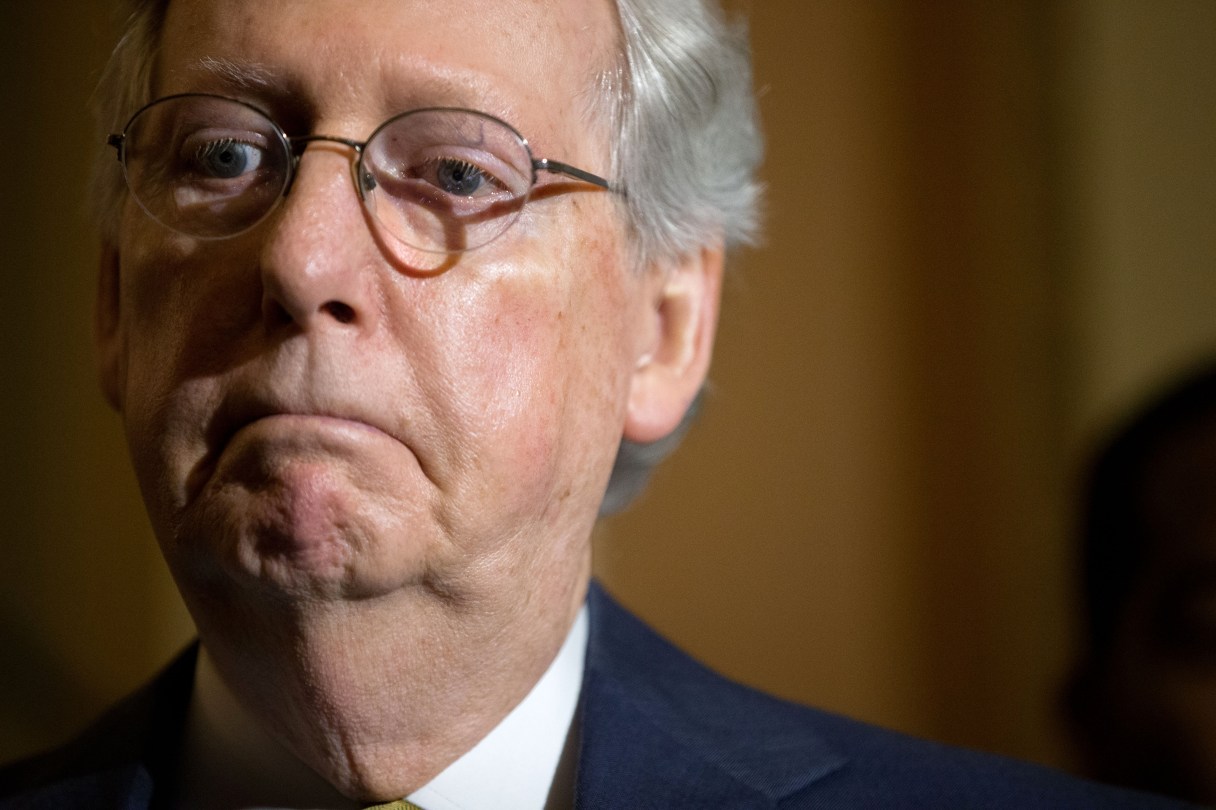
Senate Majority Leader Mitch McConnell of Ky. speaks to the media during a news conference following a Senate policy luncheon on Capitol Hill in Washington, Tuesday, June 2, 2015, as legislation to end the National Security Agency's collection of Americans' calling records while preserving other surveillance authorities is expected to clear the Senate late Tuesday. But House leaders have warned their Senate counterparts not to proceed with planned changes to a House version. (AP Photo/Andrew Harnik)
Senate Majority Leader Mitch McConnell of Ky. speaks to the media during a news conference following a Senate policy luncheon on Capitol Hill in Washington, Tuesday, June 2, 2015, as legislation to end the National Security Agency's collection of Americans' calling records while preserving other surveillance authorities is expected to clear the Senate late Tuesday. But House leaders have warned their Senate counterparts not to proceed with planned changes to a House version. (AP Photo/Andrew Harnik) Senate Majority Leader Mitch McConnell of Ky. speaks to the media during a news conference following a Senate policy luncheon on Capitol Hill in Washington, Tuesday, June 2, 2015, as legislation to end the National Security Agency's collection of Americans' calling records while preserving other surveillance authorities is expected to clear the Senate late Tuesday. But House leaders have warned their Senate counterparts not to proceed with planned changes to a House version. (AP Photo/Andrew Harnik)

WASHINGTON (AP) – Senate Majority Leader Mitch McConnell is generally seen as a master congressional deal-maker. But he walked into a dead end on domestic surveillance that left some of his friends bewildered.

The Kentucky Republican had repeatedly insisted on continuing the bulk collection of Americans’ phone data. That put him at odds with the Obama administration and the Republican-run House, which overwhelmingly endorsed significant limits.

Senators say McConnell overestimated his ability to force a deadline-driven extension of the law. And he seemed to misjudge the bipartisan support for the House-crafted changes.

Most puzzling to some were his actions that allowed first-term Sen. Rand Paul of Kentucky to use the Senate’s elaborate rules to delay things long enough to cause the entire USA Patriot Act to lapse for a couple of days.