
Tuesday, November 3, 2026Nov 3

This story is free to read.

Plaintiff in ‘gay conversion’ suit tells of therapy methods

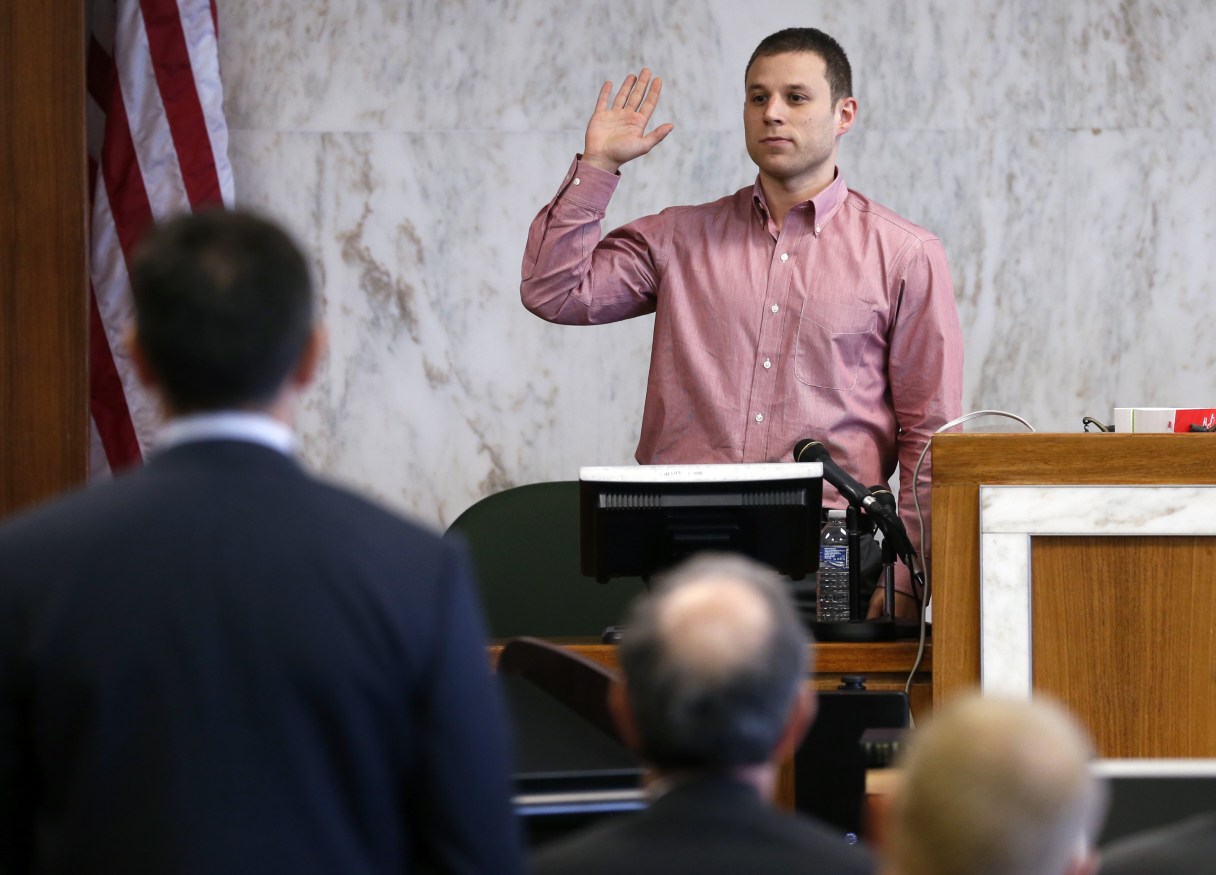
Benjamin Unger is sworn in as a witness in the trial against Jews Offering New Alternatives for Healing, (JONAH) Wednesday, June 3, 2015, in Jersey City, N.J. The nonprofit New Jersey based group, who promised to turn gays heterosexual with so-called gay conversion therapy, are being sued by Unger and three other plaintiffs for fraud.  (Alex Remnick/The Star-Ledger via AP,  Pool)
Benjamin Unger is sworn in as a witness in the trial against Jews Offering New Alternatives for Healing, (JONAH) Wednesday, June 3, 2015, in Jersey City, N.J. The nonprofit New Jersey based group, who promised to turn gays heterosexual with so-called gay conversion therapy, are being sued by Unger and three other plaintiffs for fraud. (Alex Remnick/The Star-Ledger via AP, Pool) Benjamin Unger is sworn in as a witness in the trial against Jews Offering New Alternatives for Healing, (JONAH) Wednesday, June 3, 2015, in Jersey City, N.J. The nonprofit New Jersey based group, who promised to turn gays heterosexual with so-called gay conversion therapy, are being sued by Unger and three other plaintiffs for fraud. (Alex Remnick/The Star-Ledger via AP, Pool)

JERSEY CITY, N.J. (AP) – A plaintiff suing a New Jersey nonprofit over so-called ‘gay conversion’ therapy says he cut off contact with his mother after being told she was the cause of his same-sex attractions.

Benjamin Unger wept on the witness stand Wednesday as he described some of the methods he underwent during treatment. He also told of an exercise in which he was encouraged to take a tennis racket and repeatedly beat a pillow, meant to symbolize his mother.

Unger is one of four young men suing Jersey City-based Jews Offering New Alternatives for Healing under New Jersey’s consumer fraud laws.

They claim the group fraudulently claimed it used scientific methods to turn gay people straight.

The group’s attorneys claim its methods are accepted therapy practices and that the plaintiffs didn’t express dissatisfaction until they were contacted by activists seeking to have conversion therapy banned.