
Thursday, October 29, 2026Oct 29

This story is free to read.

US officials warn of encrypted communications by extremists

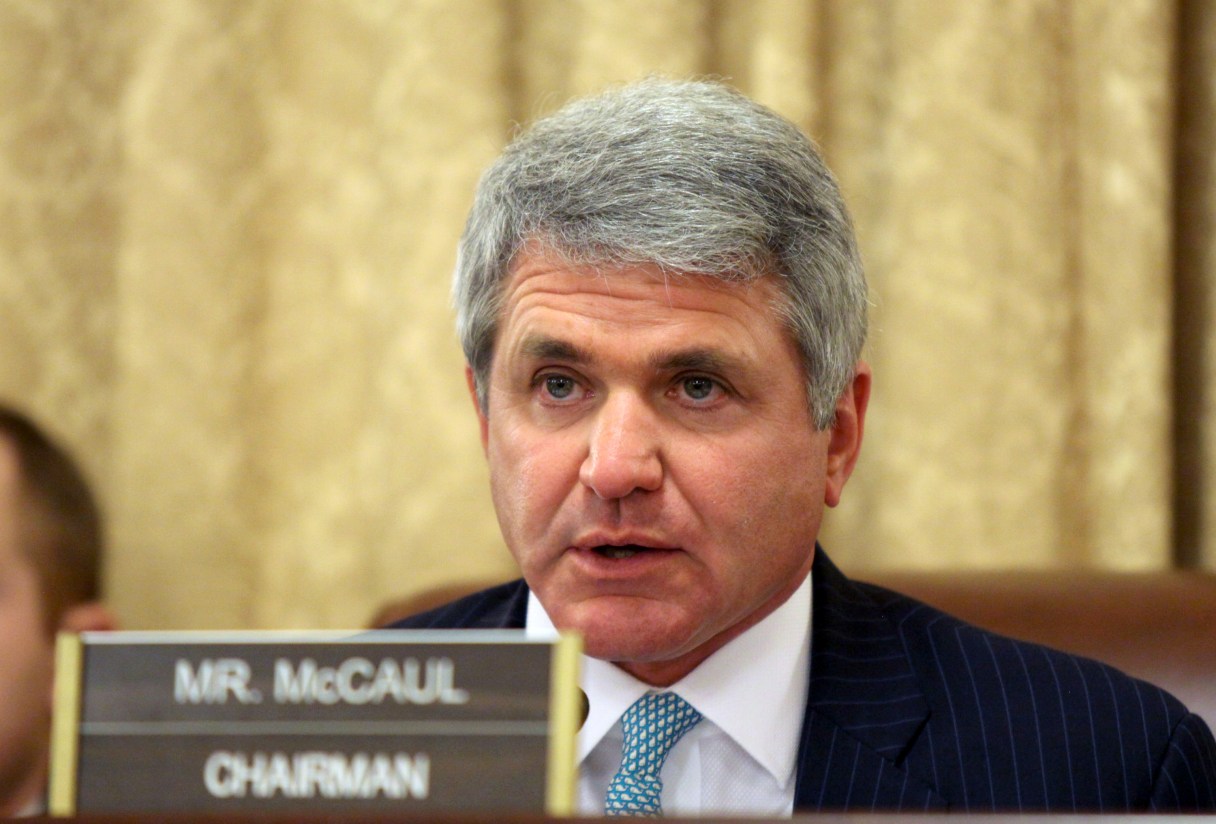
FILE - In this March 26, 2015 file photo, House Homeland Security Chairman Rep. Mike McCaul, R-Texas speaks on Capitol Hill in Washington. U.S. law enforcement officials expressed concern Wednesday about the growing use of encrypted communication and private messaging by supporters of the Islamic State, saying the technology was complicating efforts to monitor terror suspects and extremists.  (AP Photo/Lauren Victoria Burke, File)
FILE - In this March 26, 2015 file photo, House Homeland Security Chairman Rep. Mike McCaul, R-Texas speaks on Capitol Hill in Washington. U.S. law enforcement officials expressed concern Wednesday about the growing use of encrypted communication and private messaging by supporters of the Islamic State, saying the technology was complicating efforts to monitor terror suspects and extremists. (AP Photo/Lauren Victoria Burke, File) FILE - In this March 26, 2015 file photo, House Homeland Security Chairman Rep. Mike McCaul, R-Texas speaks on Capitol Hill in Washington. U.S. law enforcement officials expressed concern Wednesday about the growing use of encrypted communication and private messaging by supporters of the Islamic State, saying the technology was complicating efforts to monitor terror suspects and extremists. (AP Photo/Lauren Victoria Burke, File)

WASHINGTON (AP) – U.S. law enforcement officials expressed concern Wednesday about the growing use of encrypted communication and private messaging by supporters of the Islamic State, saying the technology was complicating efforts to monitor terror suspects and extremists.

The officials, appearing before the House Homeland Security Committee, said that even as thousands of Islamic State supporters around the world share communication in public view on Twitter, some are exploiting social media platforms that allow them to shield their messages from law enforcement.

“There are 200-plus social media companies. Some of these companies build their business model around end-to-end encryption,” said Michael Steinbach, head of the FBI’s counterterrorism division. “There is no ability currently for us to see that” communication, he said.

Asked later in the hearing if he thought the technology companies were being unhelpful, Steinbach replied, “The companies have built a product that doesn’t allow them to help.”

He said he was concerned that evolving technologies were outpacing laws that allow law enforcement to intercept communications by suspects.