
Sunday, November 1, 2026Nov 1

This story is free to read.

Texas planners look to aquifers to prepare for next drought

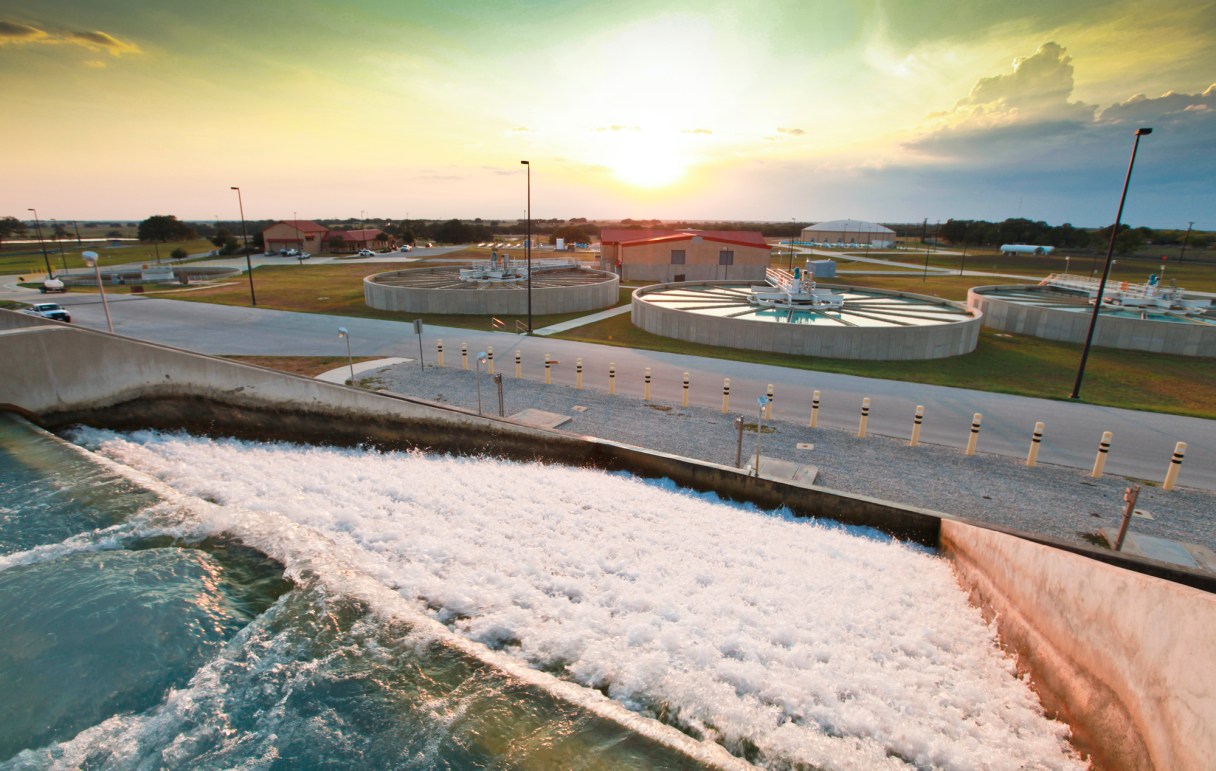
This photo provided by the San Antonio Water System shows the Twin Oaks Aquifer Storage and Recovery site in far south Bexar County, Texas on Sept. 23, 2011. Although torrential storms in May essentially ended one of Texas’ worst-ever droughts, water planners wary of the next inevitable dry spell are looking into technology that would pump rainwater underground for use in drier times. (San Antonio Water System via AP)
This photo provided by the San Antonio Water System shows the Twin Oaks Aquifer Storage and Recovery site in far south Bexar County, Texas on Sept. 23, 2011. Although torrential storms in May essentially ended one of Texas’ worst-ever droughts, water planners wary of the next inevitable dry spell are looking into technology that would pump rainwater underground for use in drier times. (San Antonio Water System via AP) This photo provided by the San Antonio Water System shows the Twin Oaks Aquifer Storage and Recovery site in far south Bexar County, Texas on Sept. 23, 2011. Although torrential storms in May essentially ended one of Texas’ worst-ever droughts, water planners wary of the next inevitable dry spell are looking into technology that would pump rainwater underground for use in drier times. (San Antonio Water System via AP)

LUBBOCK, Texas (AP) – Water planners in Texas who learned that 3 trillion gallons of rainwater flow into the Gulf of Mexico from torrential storms last month could consider an underground storage option.

With a wary eye toward the next prolonged drought that inevitably will come, some think expanding the use of underground aquifers may help slake the thirst of Texas’ rapidly growing population.

If widely implemented, aquifer storage and recovery would be among the major additions to the state’s water infrastructure since scores of reservoirs were built after drought of the 1950s. Lawmakers recently made changes to encourage expansion of the method.

Texas has only three of the nation’s 133 aquifer storage and recovery facilities, but studies are underway to determine where new ones could be built in the state.