
More Info
Soldiers and Sailors Memorial Auditorium1924: The city pays $700,000 for the auditorium, which opens as a living memorial to Hamilton County war veterans.1964: Civic groups and city leaders spearhead a $2.1 million renovation. The auditorium closes for nearly a year.1966: The renovated auditorium reopens with escalators and air conditioning and the basement-level parking garage converted into exhibit space.1985: By now, Memorial Auditorium’s mission has changed. The completion of UTC’s McKenzie Arena and the Chattanooga Convention and Trade Center eliminate the need for an all-purpose hall. So Memorial turns its focus to a mid-sized theater and concert venue.1991: The auditorium reopens after a $7 million renovation that added dressing rooms, a hydraulic orchestra pit and new sound and lighting systems.The Tivoli Theatre1921: After two years of construction, the Tivoli opens at a cost of nearly $1 million. It was designed to house silent films and live productions.1926: The Tivoli becomes one of the first public buildings in America to be air-conditioned.1961: The Tivoli closes as patronage declines with the emergence of television.1963: A grant from the Benwood Foundation allows the Tivoli to reopen after a partial renovation.1974: The theater is placed on the National Register of Historic Places.1976: The city buys the theater for $300,000.1989: After a two-year renovation — funded by state, city and private money — the Tivoli reopens with cosmetic upgrades, new dressing rooms and new sound and light systems.Source: City of Chattanooga
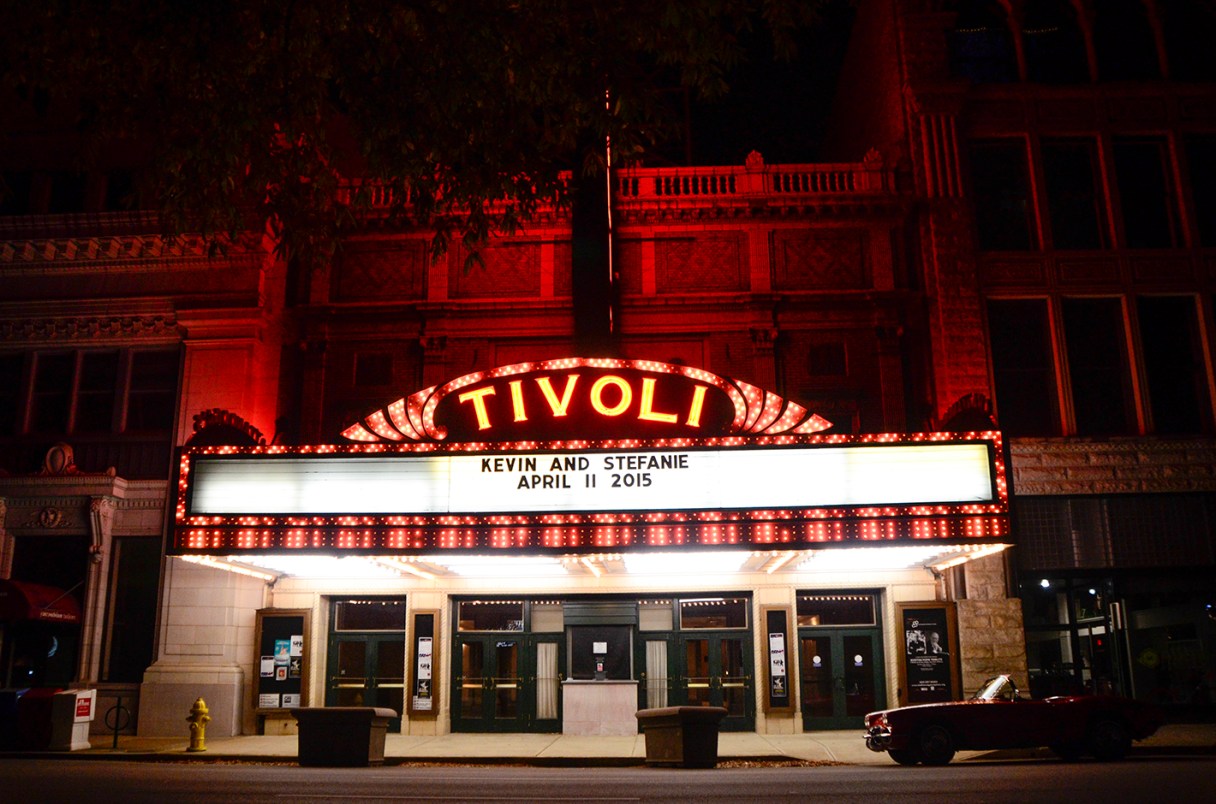
The Tivoli Theatre Foundation plans to hand over management of the historic Tivoli Theatre and the Soldiers and Sailors Memorial Auditorium to AC Entertainment.
The foundation’s board was established by Mayor Andy Berke in February after the city decided to fold both of these venues into one nonprofit organization. The board was tasked by the mayor to revive these spaces by bringing in more shows and investing in capital improvements.
Board Chairman Keith Sanford said contracting with AC Entertainment to manage the venues is the right solution, and he expects them to bring a wide range of sought-after acts to Chattanooga.
AC Entertainment is no stranger to Tennessee’s music scene, booking more than 1,000 shows a year and organizing a variety of music festivals including Bonnaroo, according to its founder Ashley Capps.