
Nearly 325,000 jobs in Tennessee, including 23,130 in Hamilton County, are supported by advanced energy companies that do everything from improving energy efficiency and gas mileage to generating power from new or renewable sources, an economic study released today shows.
Despite a slowdown in the growth of energy consumption, a University of Tennessee economic study found that businesses identified in the growing advanced energy industry pump an estimated $33.4 billion a year into Tennessee’s economy. Workers involved in fields such as automotive materials and engine technology or solar, wind and new types of nuclear power earn, on average, $48,764 a year – 20 percent above the statewide average, according to an analysis by the Howard Baker Center for Public Policy at the University of Tennessee.
Collectively, employees in the advanced energy fields and the industries they support employ about one of every eight workers in Tennessee and combined such workers paid $820 million in sales taxes to state and local governments last year.
“Within the past five years, we’ve seen an explosion in advanced energy industry,” said Jim Plourde, national business development manager for Schneider Electric in La Vergne, Tenn. and a leader of the Tennessee Advanced Energy Business Council that paid for the economic study. “I think Tennessee provides a very unique opportunity between our research facilities, our universities, the abundant amount of startup capital and our relatively low cost of living and tax rates. It’s a real recipe for success.”
The UT study is the first to try to quantify employment and income generated by any of the 62 industry categories involved in some type of advanced energy. But Matt Murray, the director of the Baker center and a research economist, said the study did indicate that the identified jobs and industry linked with advanced energy are growing despite the overall stagnant growth in electrical demand and energy prices.
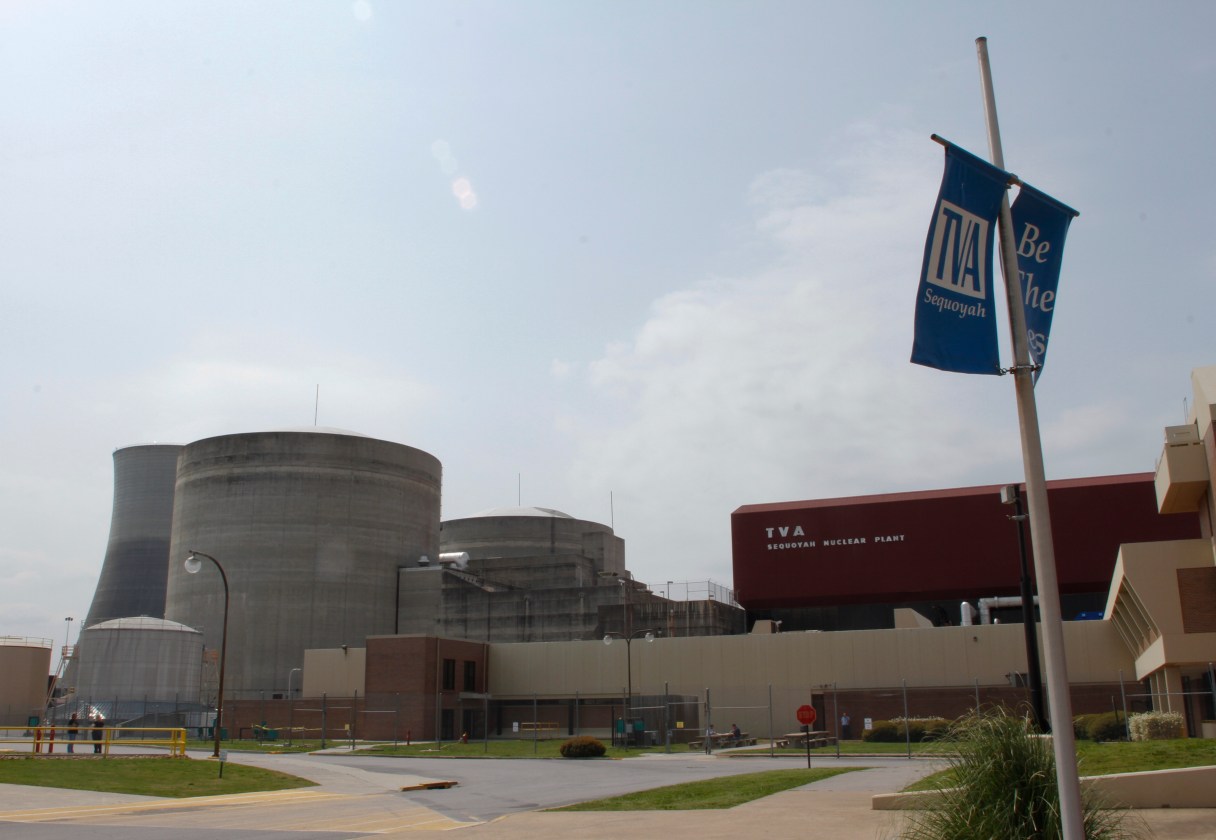
The Tennessee Valley Authority, the federal utility created in the 1930s to harness the power of the Tennessee River and to bring more research and jobs to the region, has cut its staff this year to the lowest level in 81 years, due largely to a decline in the rate of growth in electricity demand. TVA is shuttering about half of its coal-fired units and doesn’t plan to build any major new baseload generation in the next decade after finishing its Watts Bar Nuclear Plant Unit 2 later this year.
Coal mining and nuclear plant manufacturing also has declined in the state due to the slowdown in the demand for new power plants.
‘Much of that decline, Murray said, has been caused by improvements in engine, heating, cooling and appliance efficiency and new ways of generating and storing power.
Advanced energy in Tennessee has been propelled by the growth in the state’s automotive industry, which is working to reach a fleet average mileage standard of 54.5 miles per gallon by 2025.
Tennessee also benefits by the Oak Ridge National Laboratory, the biggest federal energy lab in the country with a $1.4 billion annual budget for the study of a variety of advanced energy fields. Nearly half of the 4,400 employees and contractors at the Oak Ridge research facility have doctoral or other advanced college degrees, said Tom Rogers, director of industrial partnerships at the Oak Ridge National Laboratory.
The new study also suggests that the Volunteer State benefits from its below-average power costs from the Tennessee Valley Authority, which has helped bring major solar and wind equipment manufacturers to the state, including the $2 billion Wacker polysilicon production facility about to open with more than 600 jobs in Charleston, Tenn.
In Chattanooga, Signal Energy Constructors has expanded its staff 40 percent in the past year due to increased demand for wind and other renewable energy generation across North America.
“We have high-paying jobs in Chattanooga building projects all over North America,” said Ben Fischer, chief executive of Signal Energy, a Chattanooga business named by Solar Power World magazine last year as America’s 10th biggest solar contractor with 85 employees. “Whether the projects are in Canada, the West Coast or the Midwest, the cost of the projects we work on have really come down. A wind or other power project that was $5 million five years ago costs less than half that amount today.”
Across Tennessee, the economic study identified 17,334 firms in 2013 that were in the advanced energy sector.
“Because advanced energy is a relatively new and emerging industry, there was no comprehensive inventory of the economic activity that falls under the advanced energy umbrella for Tennessee – until now,” said Tom Ballard, president of Tennessee Advanced Energy Business Council and the chief alliance officer at Pershing Yoakley & Associates. “The report shows that Tennessee is a national and international leader in this rapidly growing, $1.3 trillion global marketplace.”
Contact Dave Flessner at dflessner@timesfreepress.com or at 757-6340.