
VACAVILLE, Calif. (AP) – California inmates are dying of drug overdoses at nearly triple the national rate and it’s unclear whether the tough steps state officials took this year to stop illicit drugs from getting into prisons are having any effect, though they are prompting criticism from civil rights advocates.
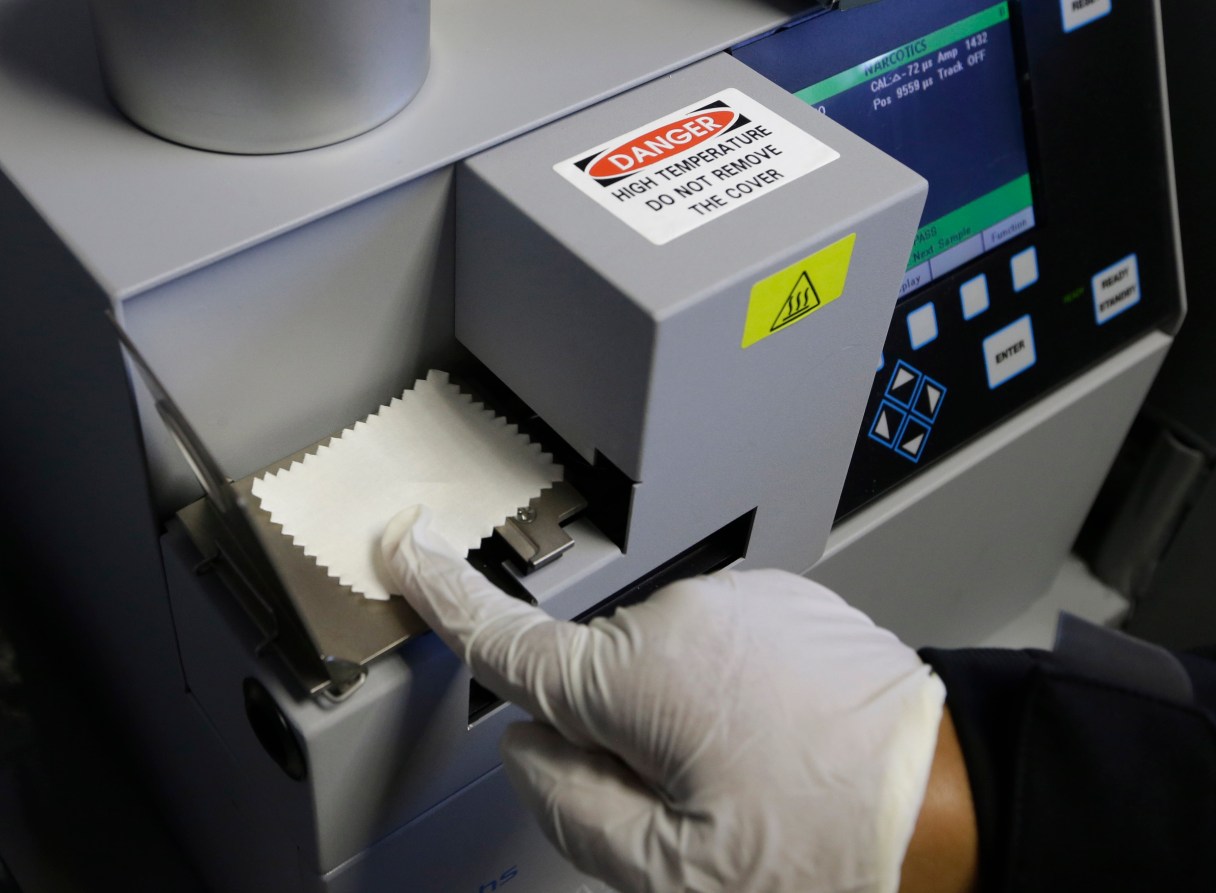
The Department of Corrections and Rehabilitation is spending $8 million this year on drug-detecting scanners and a new breed of drug-sniffing dogs while also employing strip searches on visitors suspected of carrying drugs.
Corrections officials believe the stepped-up efforts are discouraging smuggling, but the data that’s available so far doesn’t support that – more than 6,000 scans have been done on visitors and employees at 11 prisons since December without finding anyone with drugs.
The state doesn’t track if anyone has been arrested because of the dog searches and waited until mid-May to begin tracking the number of arrests made using any of the new procedures.
Meantime, criticism is mounting about false-positive results by the scanners and dogs that can lead to strip searches. Concerned lawmakers who oversee state prisons included language in the California budget plan passed this week that would end the searches and require an evaluation of the department’s other efforts.