
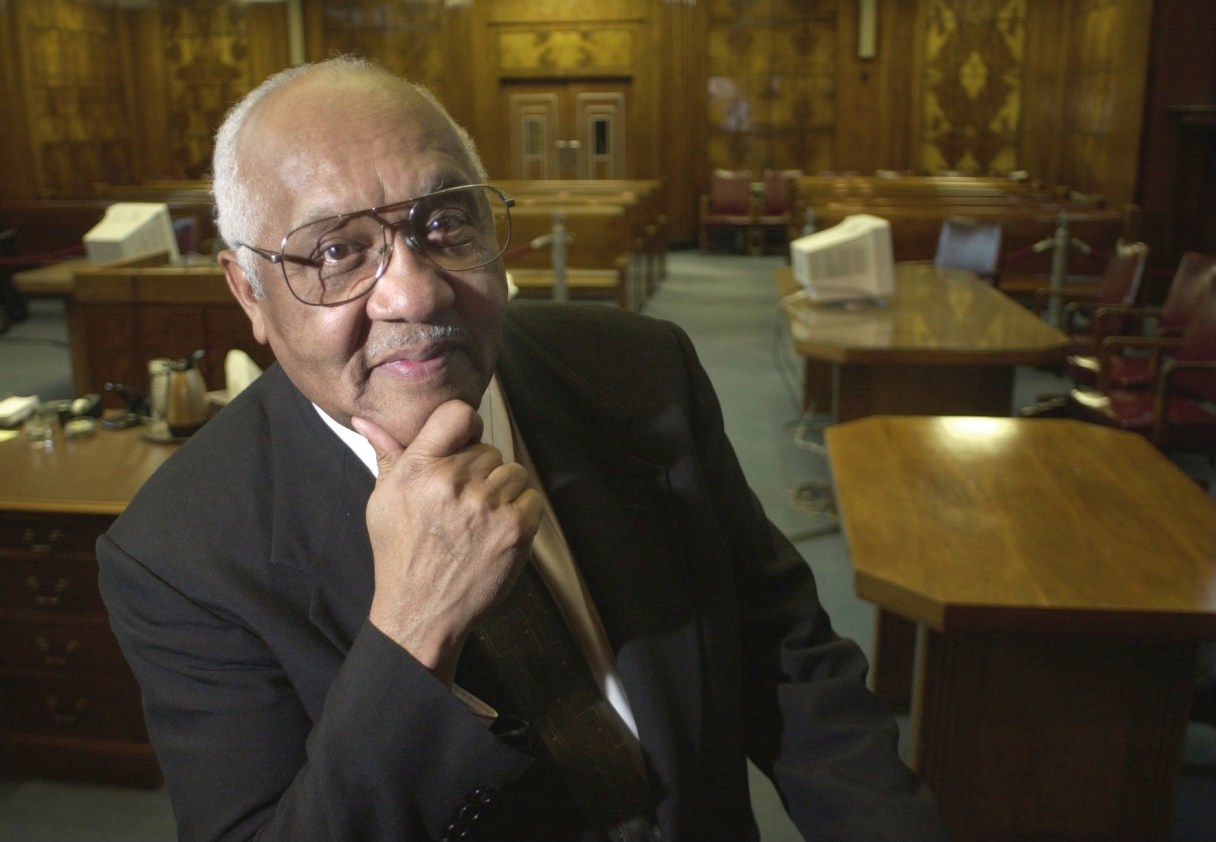
James Mapp made it a lifelong habit to seek equality.
With quiet grace and principled courage, he filed the lawsuit in 1960 that finally brought an end to school segregation in Chattanooga City Schools – a full six years after the U.S. Supreme Court in 1954 struck down the “separate but equal” standard that had created networks of dual schools for black and white children. He would later serve as president of the Chattanooga branch of the NAACP for more than two decades.
Read more
Chattanooga’s James Mapp, civil rights leader for all, has died
“To me it was more about simple fairness than about black and white,” Mapp told a Chattanooga Times Free Press reporter in 2009 – shortly after Tennessee officials decided to name a state building on M.L. King Boulevard the James R. Mapp building in recognition of what his family called “his lifelong commitment to social and economic justice for people of color and his commitment to creating a better community for all.”
Mapp’s children had been refused admission to the then all-white Glenwood School, and shortly before his eighth child was born he filed the federal school desegregation lawsuit. The case would remain under federal court supervision for 26 years – the longest such case in the nation’s history.