
Tuesday, November 10, 2026Nov 10

Same-sex marriage opponents urge Supreme Court to go slow

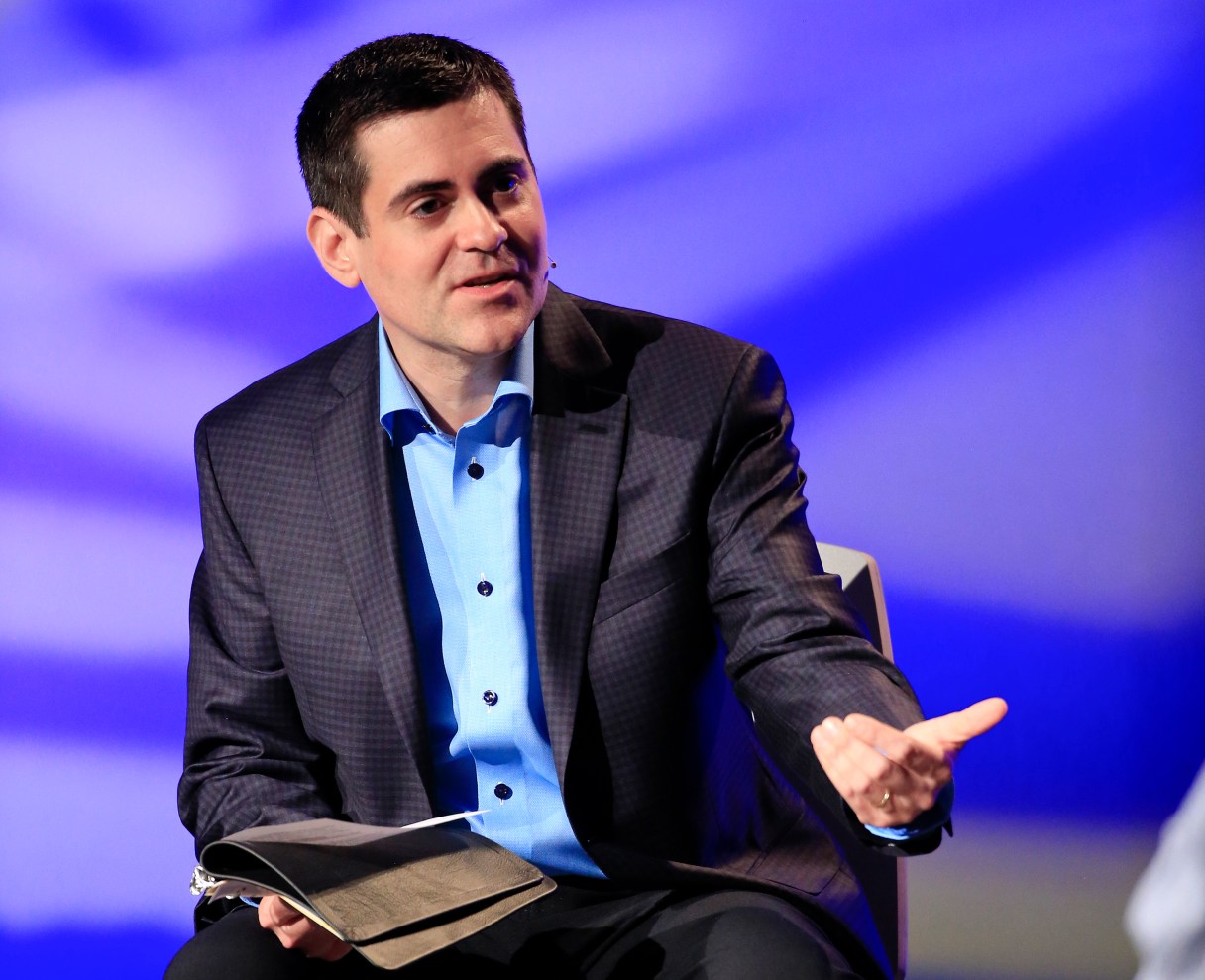
FILE - In this Oct. 28, 2014 file photo, Rev. Russell Moore, director of the Southern Baptist’s Ethics and Religious Liberty Commission speaks in Nashville, Tenn. Same-sex marriage opponents acknowledge they face a tough task in trying to persuade the Supreme Court to allow states to limit marriage to a man and a woman. But they are urging the court to resist embracing what they see as a radical change in society’s view of what constitutes a marriage, especially without more information about how same-sex marriage affects children who are raised by two fathers or two mothers. (AP Photo/Mark Humphrey, File)
FILE - In this Oct. 28, 2014 file photo, Rev. Russell Moore, director of the Southern Baptist’s Ethics and Religious Liberty Commission speaks in Nashville, Tenn. Same-sex marriage opponents acknowledge they face a tough task in trying to persuade the Supreme Court to allow states to limit marriage to a man and a woman. But they are urging the court to resist embracing what they see as a radical change in society’s view of what constitutes a marriage, especially without more information about how same-sex marriage affects children who are raised by two fathers or two mothers. (AP Photo/Mark Humphrey, File) FILE - In this Oct. 28, 2014 file photo, Rev. Russell Moore, director of the Southern Baptist’s Ethics and Religious Liberty Commission speaks in Nashville, Tenn. Same-sex marriage opponents acknowledge they face a tough task in trying to persuade the Supreme Court to allow states to limit marriage to a man and a woman. But they are urging the court to resist embracing what they see as a radical change in society’s view of what constitutes a marriage, especially without more information about how same-sex marriage affects children who are raised by two fathers or two mothers. (AP Photo/Mark Humphrey, File)

WASHINGTON (AP) – Same-sex marriage opponents acknowledge they face a tough task in trying to persuade the Supreme Court to allow states to limit marriage to a man and a woman.

But they are urging the court to resist embracing what they see as a radical change in society’s view of what constitutes a marriage, especially without more information about how same-sex marriage affects children who are raised by two fathers or two mothers.

The idea that same-sex marriage might have uncertain effects on children is strongly contested by those who want the court to declare that same-sex couples have a right to marry in all 50 states. Among the 31 plaintiffs in the cases that will be argued at the court on April 28 are parents who have spent years seeking formal recognition on their children’s birth certificates or adoption papers.

But opponents, in dozens of briefs asking the court to uphold state bans on same-sex marriage, insist they are not motivated by any prejudice toward gays and lesbians.

“This is an issue on which people of good will may reasonably disagree,” lawyer John Bursch wrote in his defense of Michigan’s gay-marriage ban. Bursch argued on behalf of the states that same-sex couples can claim no constitutional right to marriage.