
Thursday, November 12, 2026Nov 12

States on edge about the future of health insurance markets

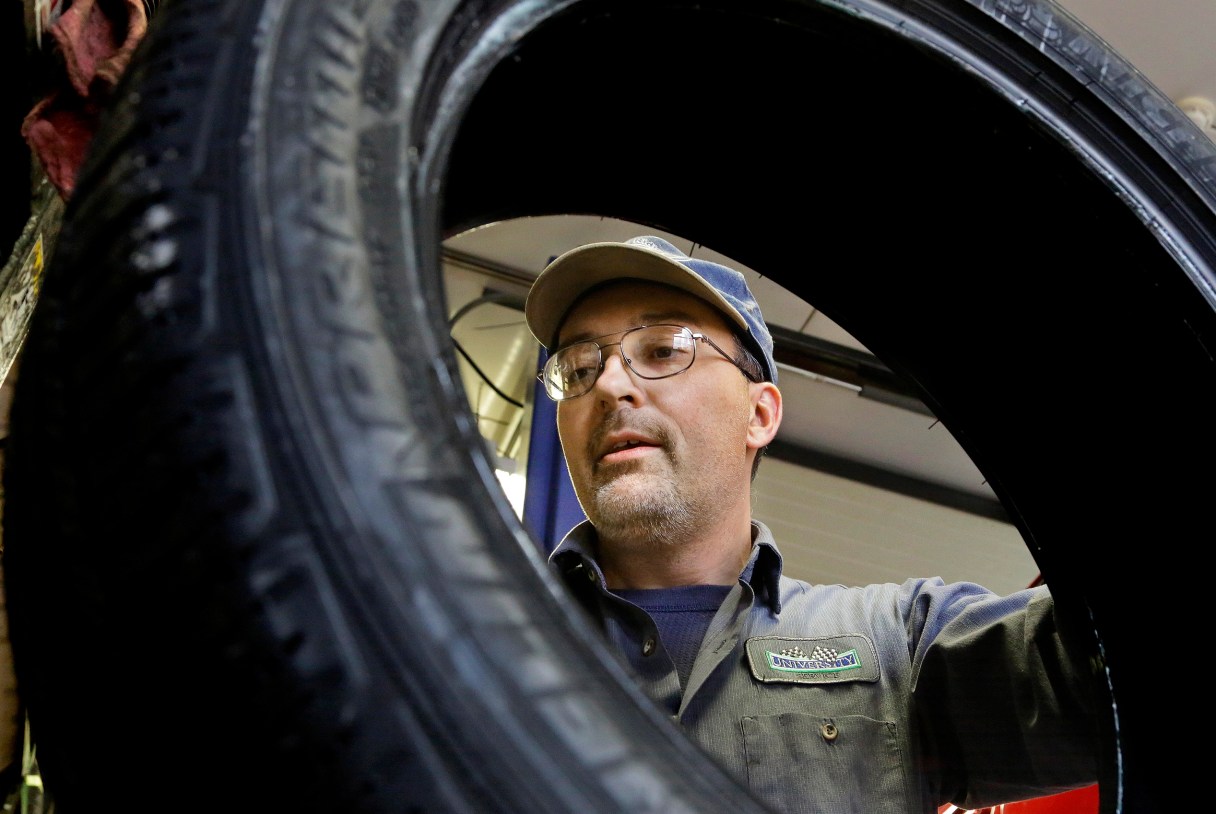
FILE - In this Dec. 11, 2014 file photo, John Phillips works at his auto repair shop in Decatur, Ill. Phillips is quick to say he’s not a fan of President Barack Obama’s health care law, but says he’s worried about the outcome of a U.S. Supreme Court case challenging the law’s subsidies in roughly three dozen states, including Illinois. After mixed signals from the Supreme Court, states may have to take over quickly to prevent millions from potentially losing their coverage. (AP Photo/Seth Perlman, File)
FILE - In this Dec. 11, 2014 file photo, John Phillips works at his auto repair shop in Decatur, Ill. Phillips is quick to say he’s not a fan of President Barack Obama’s health care law, but says he’s worried about the outcome of a U.S. Supreme Court case challenging the law’s subsidies in roughly three dozen states, including Illinois. After mixed signals from the Supreme Court, states may have to take over quickly to prevent millions from potentially losing their coverage. (AP Photo/Seth Perlman, File) FILE - In this Dec. 11, 2014 file photo, John Phillips works at his auto repair shop in Decatur, Ill. Phillips is quick to say he’s not a fan of President Barack Obama’s health care law, but says he’s worried about the outcome of a U.S. Supreme Court case challenging the law’s subsidies in roughly three dozen states, including Illinois. After mixed signals from the Supreme Court, states may have to take over quickly to prevent millions from potentially losing their coverage. (AP Photo/Seth Perlman, File)

MIAMI (AP) – Mixed signals from the Supreme Court have states on edge about the future of health insurance subsidies for millions of Americans. And a summer decision from the justices leaves little time for backup planning.

Many governors, especially Republicans, want the federal government to craft a contingency plan and at least one governor – in Pennsylvania – is pursuing a state exchange, which would make sure his state was able to receive the subsidy.

During oral arguments Wednesday, the justices appeared divided in the latest challenge to President Barack Obama’s law. Opponents of the law argued that only residents in about a dozen states that set up their own insurance markets can get federal subsidies to help pay their premiums. The administration says the law provides for subsidies in all 50 states.

The case sets up an intriguing political backdrop for states like Florida and Texas, both led by Republican governors staunchly opposed to the law. The states now find themselves with the most at stake with large numbers enrollees who could take their anger to the ballot box if they lose coverage.

Florida has more people on the health care plan than any other state and most of the 1.6 million people receive the subsidy, along with many of Texas’ 1.2 million enrollees.