
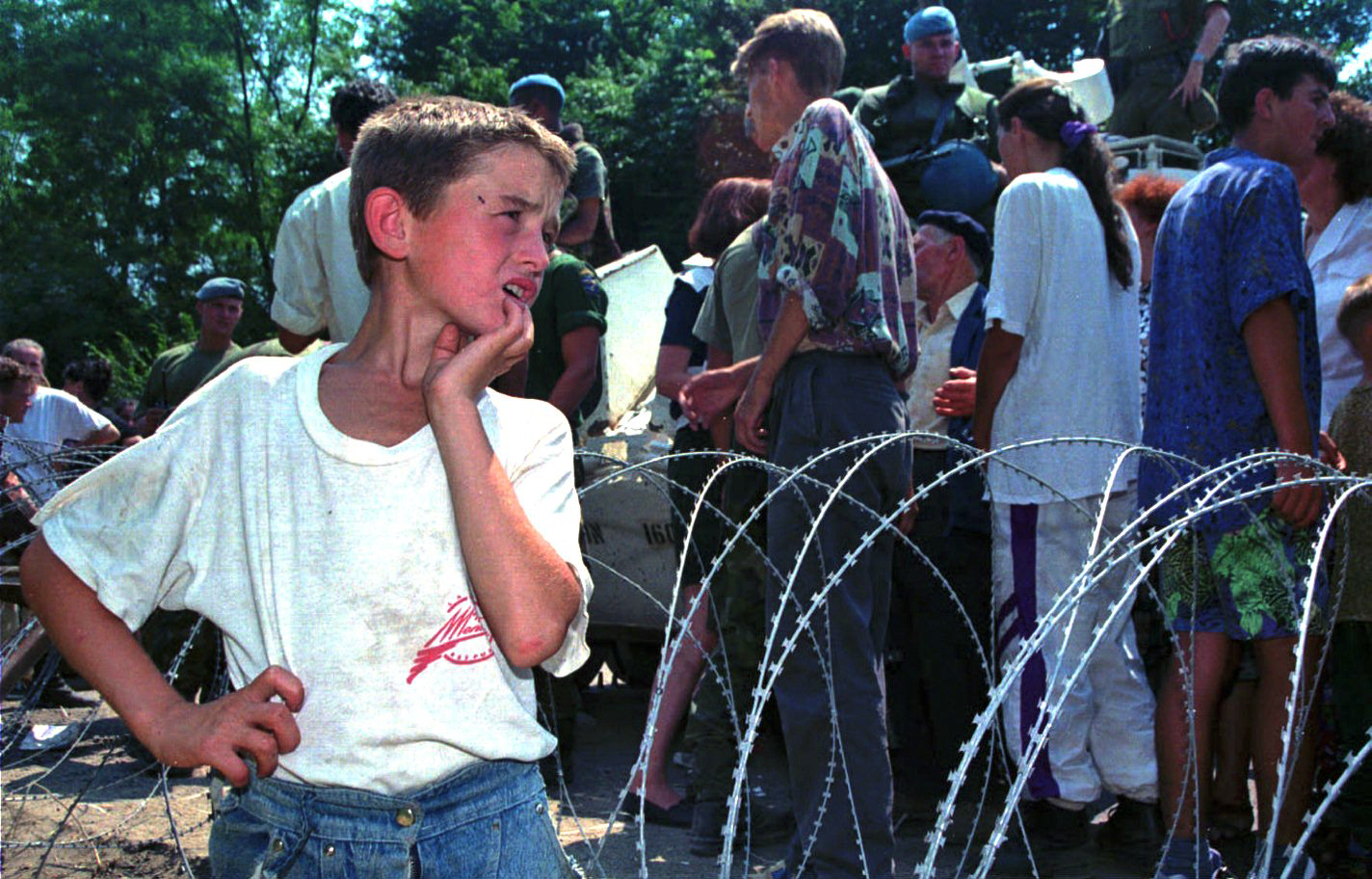
 This Thursday July 13, 1995 file photo shows a young Muslim refugee from Srebrenica watching as other refugees pass in a UN armored vehicle as they arrive at a U.N. base 12 kms south of Tuzla, 100kms (60 miles) north of Sarajevo. They are among the more than 5,000 refugees from the U.N. safe haven of Srebrenica in eastern Bosnia, which was captured by Bosnian Serb forces, and who arrived in Bosnian Government controlled territory in the past 24 hours. The indictment against Ratko Mladic, who went on trial Wednesday May 16, 2012 at the U.N. war crimes tribunal in the Hague, Netherlands, holds the former Bosnian Serb army commander “individually criminally responsible for planning, instigating, ordering and/or aiding and abetting the crimes charged in this indictment.” Mladic is charged with 11 counts of genocide, crimes against humanity and violations of the laws and customs of war. Between July 1995 and November 1995, Mladic participated in the “elimination” of the Bosnian Muslims in the eastern enclave of Srebrenica by killing the men and boys, and forcibly removing the women, young children and some elderly men. Some 7,000 people were killed which is the worst carnage in Europe since World War II(AP Photo/Darko Bandic)
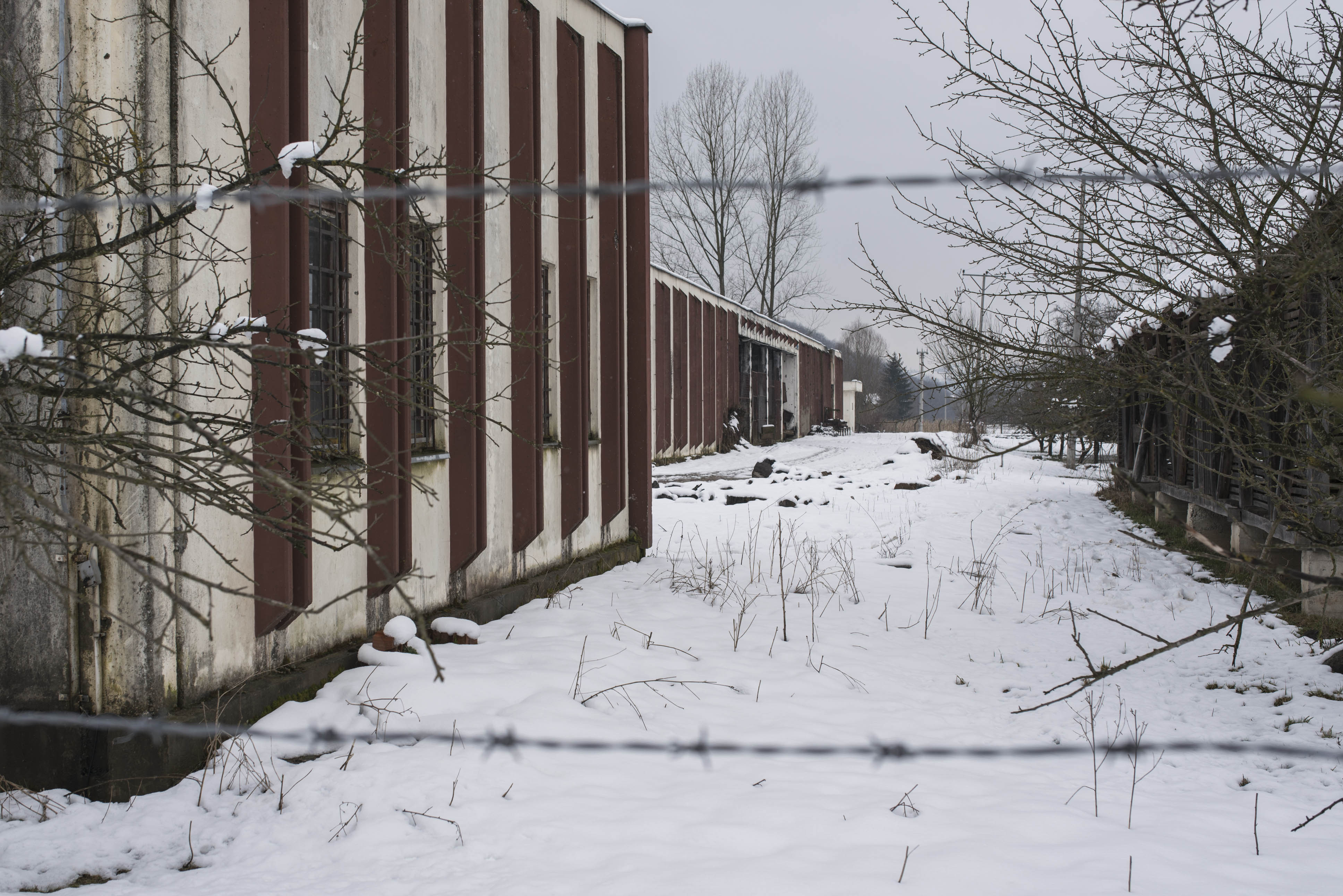 This photo taken on Saturday, March 7, 2015 shows a now abandoned warehouse where over 1,000 Muslim Bosniak men and boys had been killed in July 1995 in the village of Kravica on the outskirts of Srebrenica, 150 kms northeast of Sarajevo. Prosecutors tell The Associated Press they have made Serbia’s first arrests of people suspected of carrying out the 1995 Srebrenica massacre of Bosnian Muslims, Europe’s worst civilian slaughter since World War II. (AP Photo/Sulejman Omerbasic)
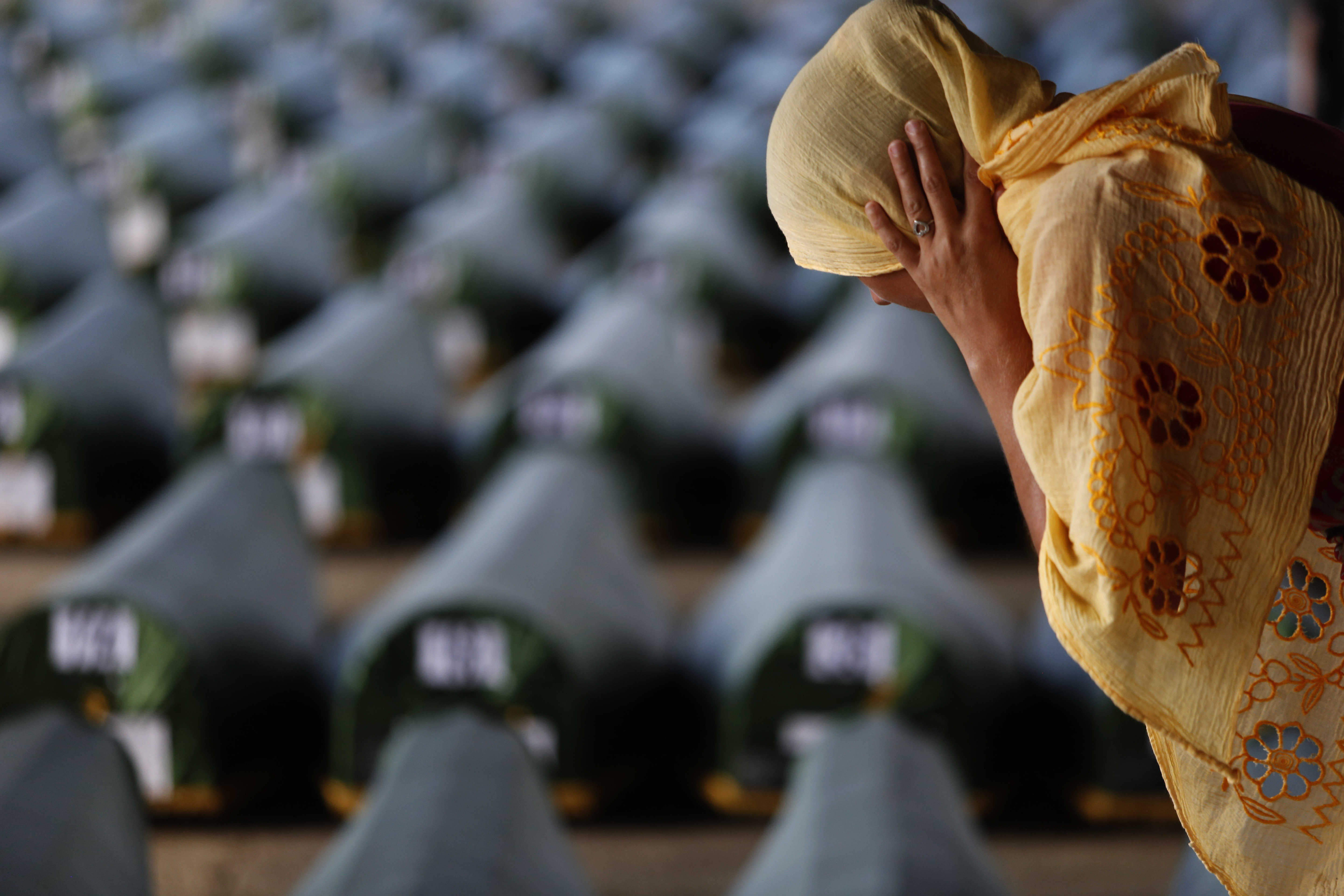 A Bosnian Muslim woman searches for the coffin of her relative, in the Memorial center in Potocari, 200 kms northeast of Sarajevo, on Wednesday, July 9, 2014. Hundreds of people turned out in Sarajevo’s main street to pay their respects to 175 victims of the Srebrenica massacre — Europe’s worst since World War II — as a truck carried their coffins to a final resting place. The remains of the men and boys, found in mass graves and identified through DNA analysis, will be buried in Srebrenica on Friday, the 19th anniversary of the massacre, next to 6,066 previously found victims. (AP Photo/Amel Emric)
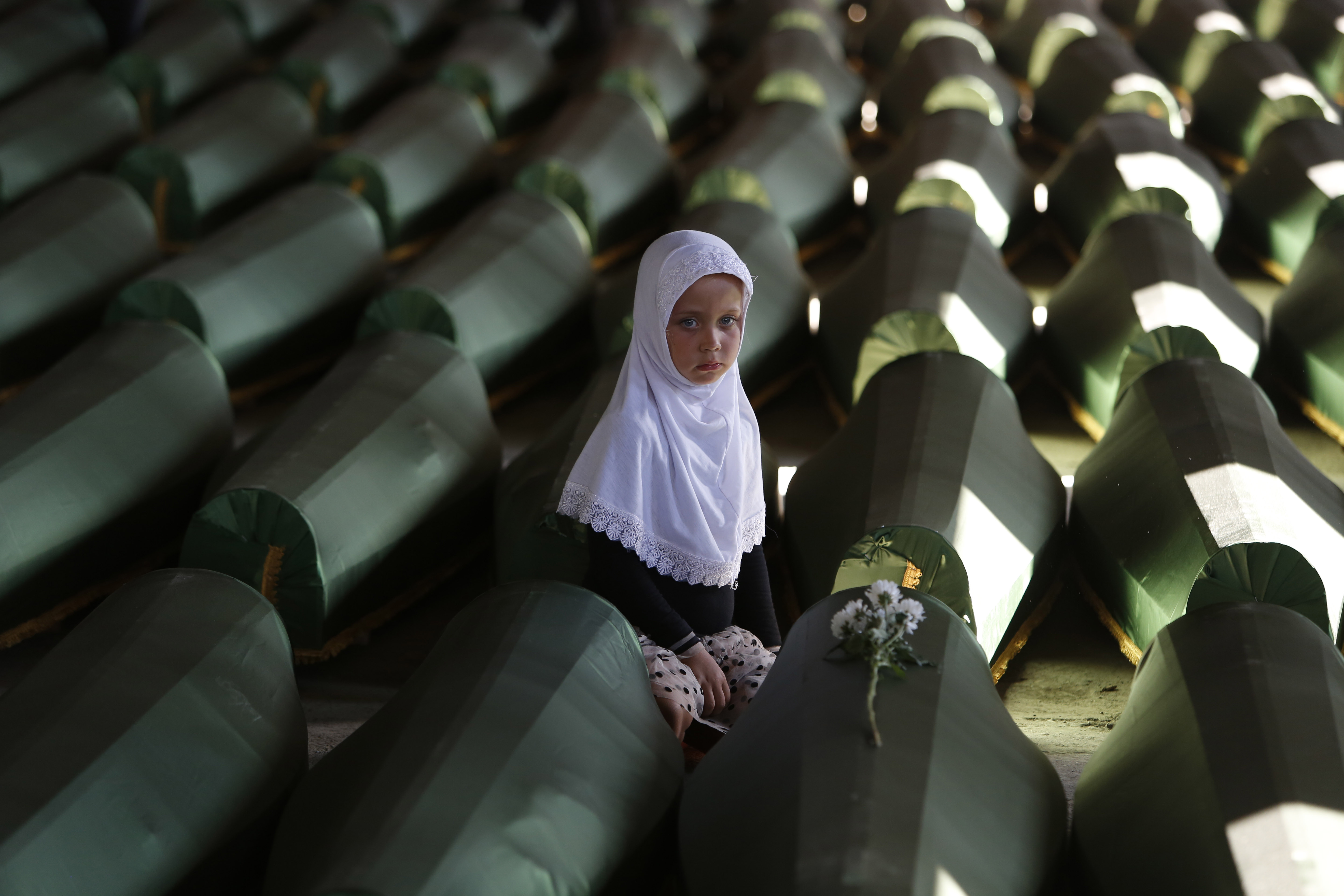 AP10ThingsToSee – Ema Hasanovic, 5, a young Bosnian Muslim girl, pays her respects near to the coffin of her uncle, in the Memorial center in Potocari, 200 km northeast of Sarajevo, Bosnia, Wednesday, July 9, 2014. Hundreds of people turned out to pay their respects to 175 victims of the Srebrenica massacre. The remains of the men and boys, found in mass graves and identified through DNA analysis, will be buried in Srebrenica during the 19th anniversary of the massacre on Friday. (AP Photo/Amel Emric)
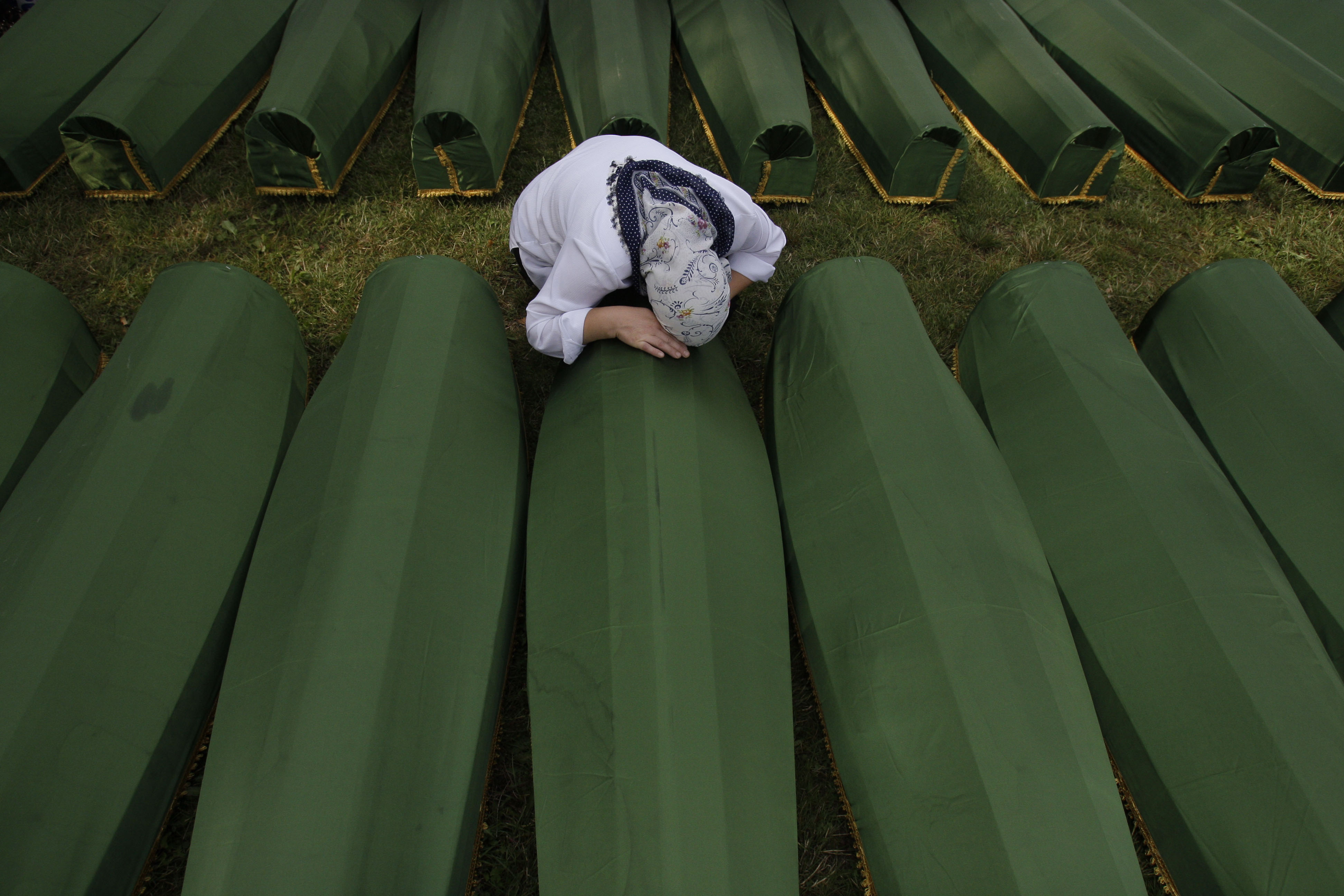 FILE – This is a Thursday, July 11, 2013 file photo of a Bosnian woman as she cries near the coffin of her relative during a funeral ceremony at the memorial center in Potocari, near Srebrenica, 160 kms east of Sarajevo, Bosnia, Thursday, July 11, 2013. People from around Bosnia and abroad have begun arriving in Srebrenica Thursday to commemorate 18th anniversary of the 1995 massacre and rebury recently identified victims exhumed from mass graves. Hundreds of people lined Sarajevo’s main street on Wednesday July 9, 2014 to pay their respects as coffins carrying the remains of 175 victims of Europe’s worst massacre since World War II passed by. (AP Photo/Amel Emric, File)
SREBRENICA, Bosnia-Herzegovina (AP) – Machine guns crackled and grenades exploded from dusk to dawn as the Bosnian Serb soldiers slaughtered more than 1,000 men and boys crammed into a warehouse outside Srebrenica.
But when the sun came up, a few dozen were still alive.
So the commander, nicknamed Nedjo the Butcher, called out, offering water to quench their thirst in the sweltering July heat, according to testimony from survivors and witnesses. Slowly, bloodied prisoners began to emerge from under the corpses, among them a boy clutching his grandfather’s hand.
“Will they kill us too?” the boy asked.
“No,” the old man whispered.