
Thursday, November 12, 2026Nov 12

Syria Kurds yet to be fully embraced by US in anti-IS fight

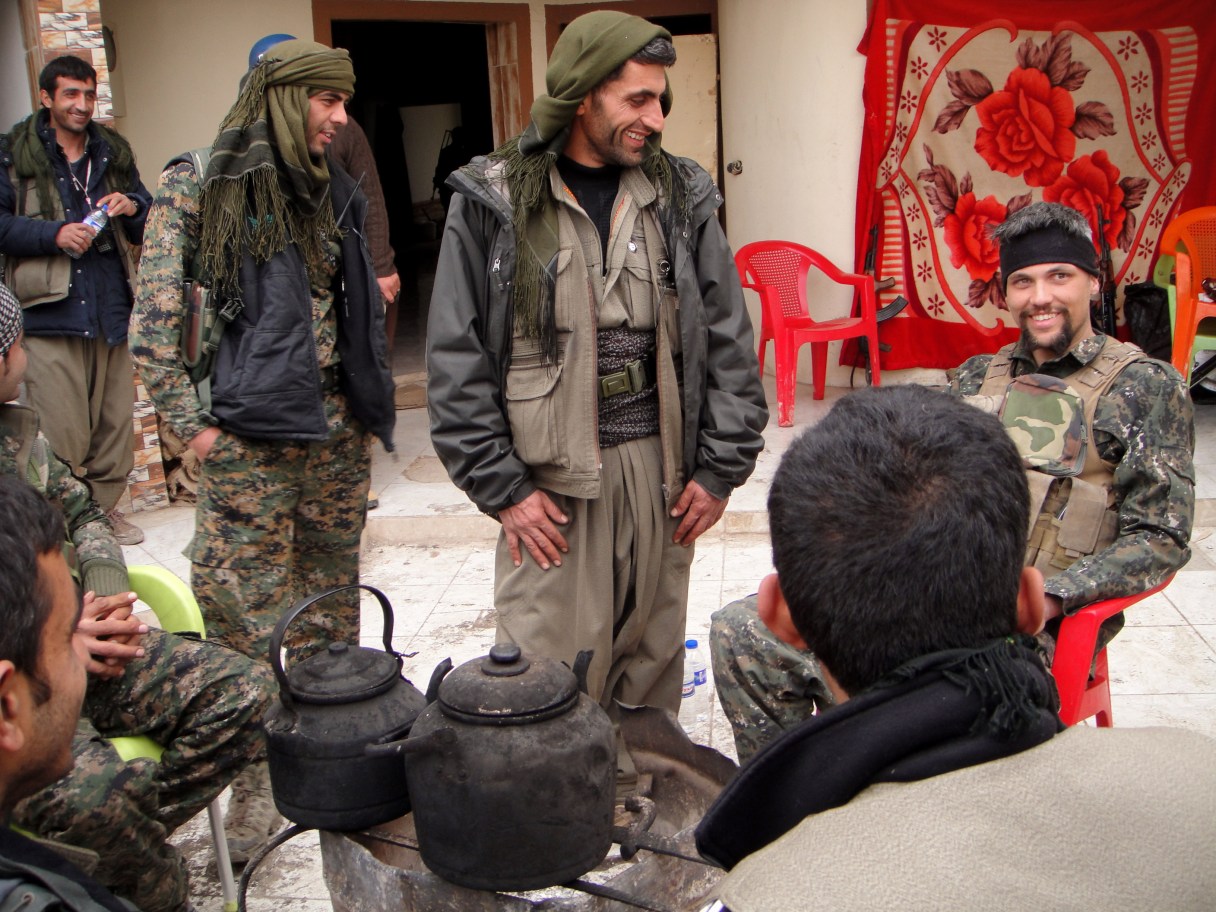
File - In this Thursday, Jan. 29, 2015, file photo, Jordan Matson, 28, far right, a former U.S. Army soldier from Sturtevant, Wis., takes a break with other fighters from the main Kurdish militia, the People's Protection Units, or YPG, in Sinjar, Iraq. For four months, Syrian Kurdish fighters battled Islamic State militants in the rubble-strewn streets and crumpled buildings in the town of Kobani as U.S. aircraft pounded the extremists from the skies above. (AP Photo/Vivian Salama, File)
File - In this Thursday, Jan. 29, 2015, file photo, Jordan Matson, 28, far right, a former U.S. Army soldier from Sturtevant, Wis., takes a break with other fighters from the main Kurdish militia, the People's Protection Units, or YPG, in Sinjar, Iraq. For four months, Syrian Kurdish fighters battled Islamic State militants in the rubble-strewn streets and crumpled buildings in the town of Kobani as U.S. aircraft pounded the extremists from the skies above. (AP Photo/Vivian Salama, File) File - In this Thursday, Jan. 29, 2015, file photo, Jordan Matson, 28, far right, a former U.S. Army soldier from Sturtevant, Wis., takes a break with other fighters from the main Kurdish militia, the People's Protection Units, or YPG, in Sinjar, Iraq. For four months, Syrian Kurdish fighters battled Islamic State militants in the rubble-strewn streets and crumpled buildings in the town of Kobani as U.S. aircraft pounded the extremists from the skies above. (AP Photo/Vivian Salama, File)

BEIRUT (AP) – For four months, Syrian Kurdish fighters battled the Islamic State group in the rubble-strewn streets of Kobani as U.S. aircraft pounded the extremists from the skies, a joint effort that ultimately expelled the militants from the town and marked their bloodiest defeat in Syria since the air campaign began in September.

The Kurds earned praise from the Pentagon, which said they had demonstrated the importance of having “a reliable, willing, capable partner on the ground.”

And yet, two months later, Syria’s Kurds remain largely on the outside looking in on the U.S.-led coalition’s campaign against the Islamic State group. Unlike Syrian rebels, they are not included in a new U.S.-training program. And unlike their Kurdish brethren in Iraq, they have not been tapped to receive American weapons.

Instead, the Syrian Kurds’ relationship with the U.S. remains loose and ad hoc, at the mercy of Washington’s relationship with Turkey – a NATO ally that has a long and fraught relationship with its own Kurdish minority and is deeply suspicious of Syria’s Kurds.

For now, Kurdish leaders say their ties with the U.S. are limited to sporadic coordination on coalition airstrikes. The Kurds, who are led by the Kurdish Democratic Party (PYD) and its armed wing known as the YPG, welcome the help, but want more.