
Monday, November 9, 2026Nov 9

Report: Diversity of New England plant life is threatened

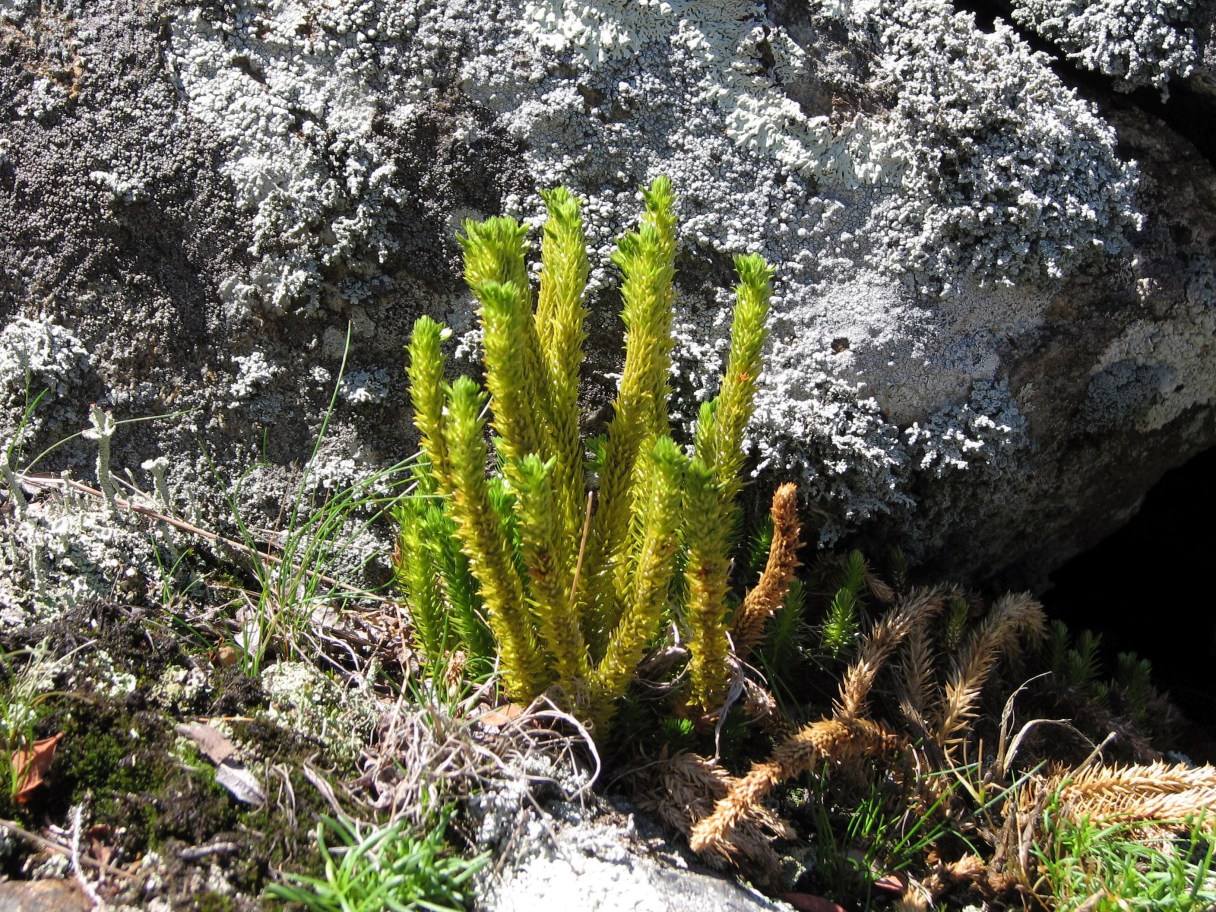
HOLD FOR RELEASE UNTIL 12:01 A.M. EDT THURSDAY. THIS STORY MAY NOT BE PUBLISHED, BROADCAST OR POSTED ONLINE BEFORE 12:01 A.M. EDT. - In this Aug. 17, 2011 photo provided by Elizabeth Farnsworth, rare clubmoss grows in the challenging Alpine environment on Mount Mansfield near Stowe, Vt. A comprehensive report being released Thursday, March 26, 2015, by the New England Wild Flower Society shows that much of New England’s rich native flora is fighting for survival against increasing odds. Conservationists studied more than 3,500 known plant species and determined that about 22 percent are considered rare, in decline, endangered or possibly extinct. Many plants also range over a much smaller geographical area than they once did. (AP Photo/Elizabeth Farnsworth)
HOLD FOR RELEASE UNTIL 12:01 A.M. EDT THURSDAY. THIS STORY MAY NOT BE PUBLISHED, BROADCAST OR POSTED ONLINE BEFORE 12:01 A.M. EDT. - In this Aug. 17, 2011 photo provided by Elizabeth Farnsworth, rare clubmoss grows in the challenging Alpine environment on Mount Mansfield near Stowe, Vt. A comprehensive report being released Thursday, March 26, 2015, by the New England Wild Flower Society shows that much of New England’s rich native flora is fighting for survival against increasing odds. Conservationists studied more than 3,500 known plant species and determined that about 22 percent are considered rare, in decline, endangered or possibly extinct. Many plants also range over a much smaller geographical area than they once did. (AP Photo/Elizabeth Farnsworth) HOLD FOR RELEASE UNTIL 12:01 A.M. EDT THURSDAY. THIS STORY MAY NOT BE PUBLISHED, BROADCAST OR POSTED ONLINE BEFORE 12:01 A.M. EDT. - In this Aug. 17, 2011 photo provided by Elizabeth Farnsworth, rare clubmoss grows in the challenging Alpine environment on Mount Mansfield near Stowe, Vt. A comprehensive report being released Thursday, March 26, 2015, by the New England Wild Flower Society shows that much of New England’s rich native flora is fighting for survival against increasing odds. Conservationists studied more than 3,500 known plant species and determined that about 22 percent are considered rare, in decline, endangered or possibly extinct. Many plants also range over a much smaller geographical area than they once did. (AP Photo/Elizabeth Farnsworth)

BOSTON (AP) – From picturesque coastal estuaries of Cape Cod to the soaring White Mountains, much of New England’s rich native flora is fighting for survival against increasing odds, according to what conservationists call the most comprehensive accounting ever made of the region’s plant life.

The report, to be released Thursday by the New England Wild Flower Society, studied more than 3,500 known plant species and determined that 22 percent are considered rare, in decline, endangered or possibly extinct. Many plants also range over a much smaller geographical area than they once did.

Another statistic that researchers found alarming: More than 30 percent of current plant species are not native to the region. Non-native or invasive species often compete with and crowd out existing plants.

The report’s authors cite numerous risk factors, including familiar ones such as climate change, land development, forest clearing and pesticides. But among the lesser-known threats to plant life are dams that alter floodplains; commercial harvesting for pharmaceutical use; and salt marsh dieback, a complex process of erosion that already has affected more than 80 percent of Cape Cod marshes, the report said.

Imperiled plants carry a variety of exotic or obscure names: Goldenseal and American Ginseng, gathered for culinary or medicinal purposes in New England’s northern hardwood forests; Jesup’s milk-vetch, a federally endangered species found in three places along the Connecticut River and nowhere else; sandplain gerardia, birds-foot violet and wild goat’s-rue, all native to drier grasslands; and saltpond pennywort, one of many rare plants that reside in marshy coastal habitats.