
Thursday, November 12, 2026Nov 12

About 4,000 fishermen stranded on Indonesian islands

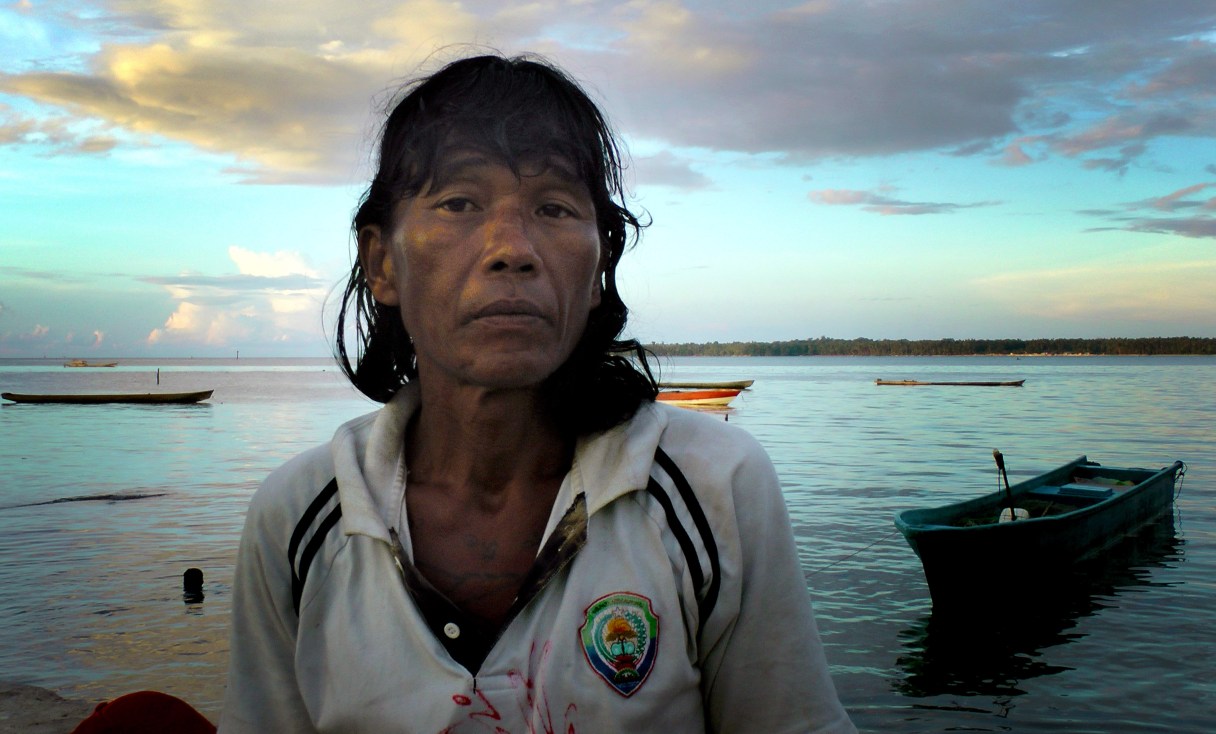
This Friday, Nov. 28, 2014 image shows Ngwe Thein, 42, who has been living on an island near Benjina, Indonesia for three years, after being forced to work on a fishing trawler with inadequate food and little or no pay, he said. In the wake of an AP report on  fishermen who were enslaved, on Thursday, March 26, 2015, Thai lawmakers voted unanimously to create tougher penalties for violating the country's anti-human trafficking law, including the death penalty. But in a Thursday email, Phil Robertson, deputy director of Human Rights Watch's Asia division said, "The Thailand government has made repeated verbal commitments to get tough with traffickers but every time real follow-up has been lacking." In the meantime, Thein is one of the thousands of men who are waiting. (AP Photo/APTN, Esther Htusan)
This Friday, Nov. 28, 2014 image shows Ngwe Thein, 42, who has been living on an island near Benjina, Indonesia for three years, after being forced to work on a fishing trawler with inadequate food and little or no pay, he said. In the wake of an AP report on fishermen who were enslaved, on Thursday, March 26, 2015, Thai lawmakers voted unanimously to create tougher penalties for violating the country's anti-human trafficking law, including the death penalty. But in a Thursday email, Phil Robertson, deputy director of Human Rights Watch's Asia division said, "The Thailand government has made repeated verbal commitments to get tough with traffickers but every time real follow-up has been lacking." In the meantime, Thein is one of the thousands of men who are waiting. (AP Photo/APTN, Esther Htusan) This Friday, Nov. 28, 2014 image shows Ngwe Thein, 42, who has been living on an island near Benjina, Indonesia for three years, after being forced to work on a fishing trawler with inadequate food and little or no pay, he said. In the wake of an AP report on fishermen who were enslaved, on Thursday, March 26, 2015, Thai lawmakers voted unanimously to create tougher penalties for violating the country's anti-human trafficking law, including the death penalty. But in a Thursday email, Phil Robertson, deputy director of Human Rights Watch's Asia division said, "The Thailand government has made repeated verbal commitments to get tough with traffickers but every time real follow-up has been lacking." In the meantime, Thein is one of the thousands of men who are waiting. (AP Photo/APTN, Esther Htusan)

JAKARTA, Indonesia (AP) – The number of foreign fishermen stranded on several remote eastern Indonesian islands has spiraled to 4,000, including some revealed in an Associated Press investigation to have been enslaved.

Many are migrant workers abandoned by their boat captains after the Indonesian government passed a moratorium on foreign fishing five months ago, according to the International Organization for Migration in Indonesia, which released the number Friday. However, others have been trapped on the islands for years, after being dumped by fishing boats or escaping into the jungle.

“This is the worst moment in our life right now,” one former slave told the AP, which is not releasing the names of the men for their safety. “It is even worse than being in hell. We have to work every day to survive. … There is no hope for us anymore.”

The AP reported earlier this week that slaves – some of them beaten and locked in cages – are forced to fish, and their catch ends up in the supply chains of American supermarkets and restaurants. The IOM said Friday that the report follows several years of close work with Indonesian authorities to rescue hundreds of fisherman identified as victims of trafficking in Indonesia.

However, for every man they’ve rescued, many more now need help. With the fishing ban, boats have docked or fled, ditching their crews.