
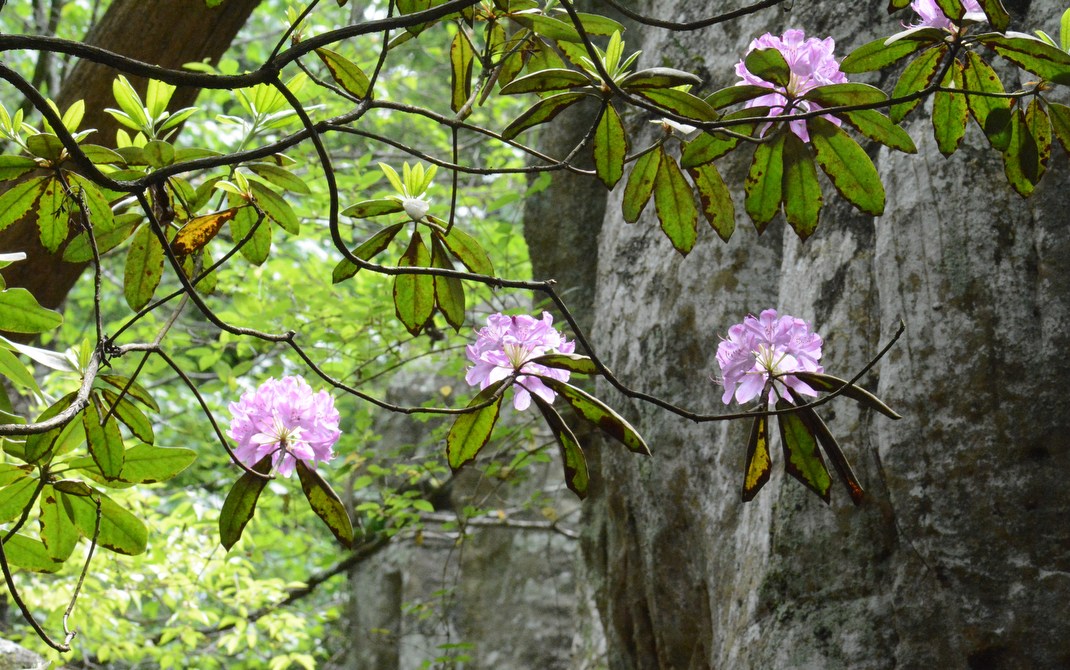
Q. My rhododendrons are in full bloom. Is it true that I should deadhead all the dried blooms? That is a huge job.
A. Maintenance in all gardens and for all plants depends on the health of the plant, the weather of the season and the ambition of the gardener. Ambition and desire may the key ingredients.
Basically for all plants, blooming is the way that fertile plants create seeds. But the blooming process does take energy from the plant so, if you have very delicate plants, very sick plant, or valuable plants that you would prefer to have healthy foliage and good growth potential, then deadheading, the removal of dead blooms, is a good idea. Think of it this way, if the plant doesn’t have to spend energy making and dispersing seeds, it will have more energy for growth, for stronger roots and to fight off insects.
If your rhododendrons are large, healthy and happy in their location, you can either skip the deadheading or just do it until you get bored with the process. It is simple enough to do. Carefully pinch and then twist the fat stem beneath the dead or dying bloom. It should pop right off and there should be two or three bright green new leaves just below that stem. That is this year’s new growth. Try not to damage those soft new leaves. Don’t pinch below them or you will be removing the nice bushy new growth.
Deadheading makes the most sense for rhodies that are still small or are newly planted. It saves their energy for a strong root system. Very large, well rooted and healthy ones usually do not need to be deadheaded. Always keep your rhodies evenly moist throughout the summer and you will have bright healthy blooms the next year.
Contact Pat Lea at lea.pat@gmail.com.