
Tuesday, November 10, 2026Nov 10

California releases plan to use 1 drug in executions

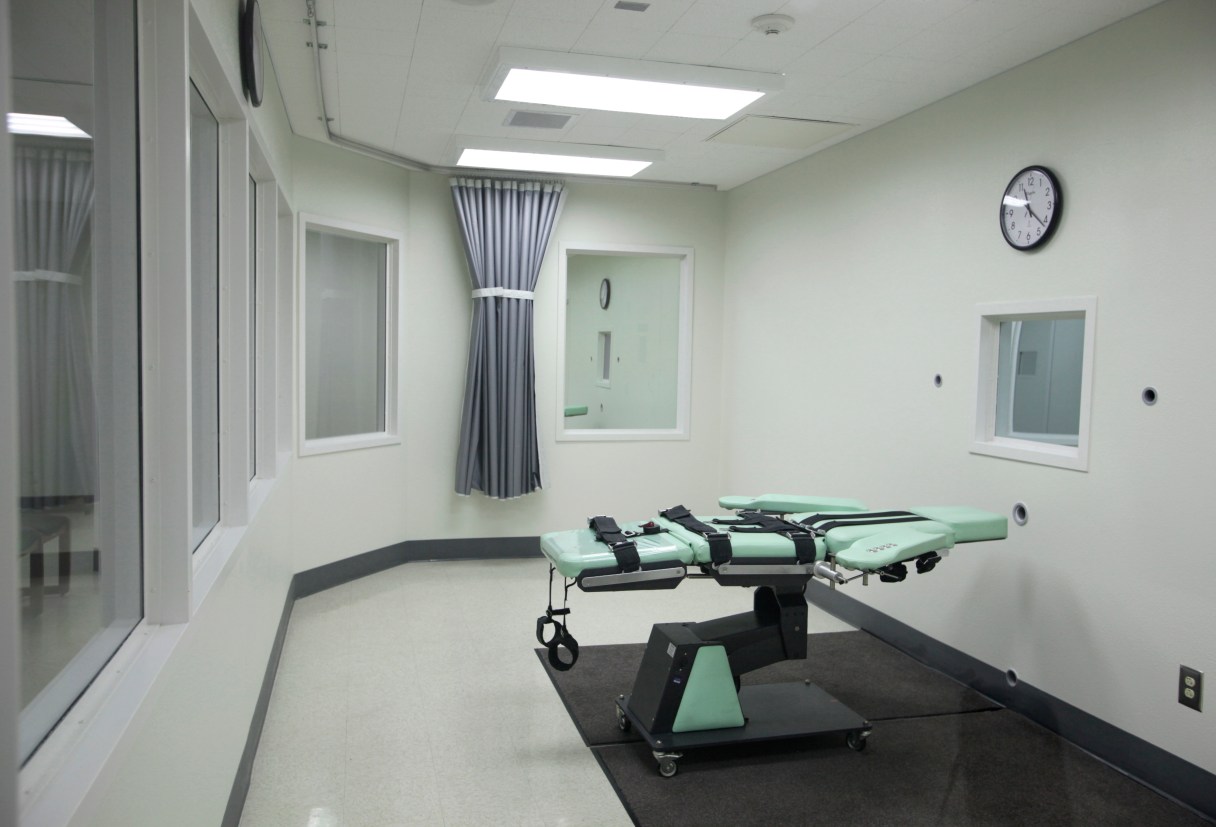
FILE - This Sept. 21, 2010, file photo shows the death chamber of the new lethal injection facility at San Quentin State Prison in San Quentin, Calif. California proposed Friday, Nov. 6, 2015, to allow corrections officials to choose one of four types of barbiturates to execute prisoners on death row depending on what’s available, as states deal with a nationwide shortage of execution drugs. (AP Photo/Eric Risberg, File)
FILE - This Sept. 21, 2010, file photo shows the death chamber of the new lethal injection facility at San Quentin State Prison in San Quentin, Calif. California proposed Friday, Nov. 6, 2015, to allow corrections officials to choose one of four types of barbiturates to execute prisoners on death row depending on what’s available, as states deal with a nationwide shortage of execution drugs. (AP Photo/Eric Risberg, File) FILE - This Sept. 21, 2010, file photo shows the death chamber of the new lethal injection facility at San Quentin State Prison in San Quentin, Calif. California proposed Friday, Nov. 6, 2015, to allow corrections officials to choose one of four types of barbiturates to execute prisoners on death row depending on what’s available, as states deal with a nationwide shortage of execution drugs. (AP Photo/Eric Risberg, File)

SACRAMENTO, Calif. (AP) – As states deal with a nationwide shortage of execution drugs, California proposed Friday to allow corrections officials to choose one of four types of powerful barbiturates to execute prisoners on death row, depending on which one is available.

The single drug would replace the series of three drugs that were last used when Clarence Ray Allen was executed in 2006, strapped to a gurney in the old gas chamber of San Quentin State Prison.

The proposal would allow the warden of San Quentin to choose between amobarbital, pentobarbital, secobarbital or thiopental to impose the death penalty.

It also puts the projected cost of an execution at nearly $187,000 and retains the option for inmates to choose the gas chamber for their execution.

Eight states already have used a single drug for executions, and five others have announced plans to switch to the method, according to the nonprofit Death Penalty Information Center, which opposes executions and tracks the issue.