
Friday, November 6, 2026Nov 6

This story is free to read.

Trade slowdown points to world recession risk, watchdog says

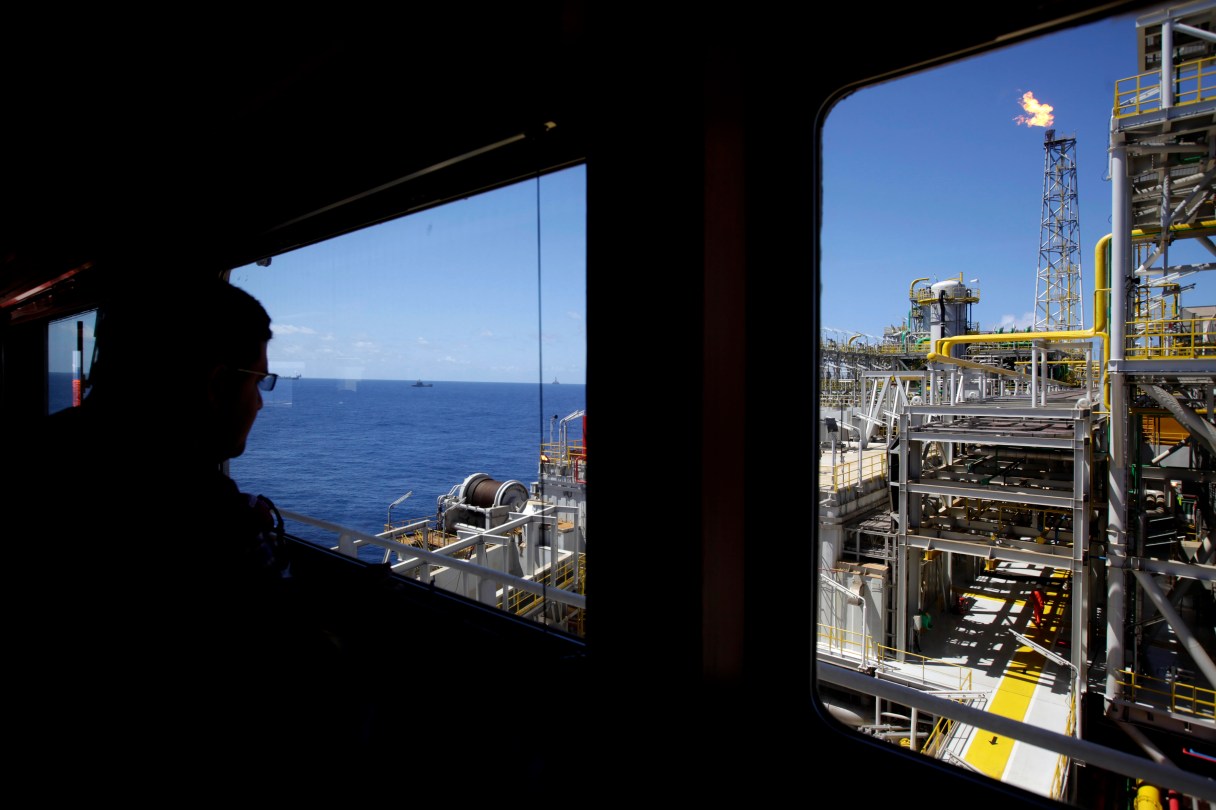
FILE - In this file photo dated Oct. 28, 2010, an oil worker looks out, over the Petrobras offshore ship platform over Tupi field in Santos Bay off the coast of Rio de Janeiro, Brazil.  Climate change could push more than 100 million people into extreme poverty by 2030 by disrupting agriculture and fueling the spread of malaria and other diseases, the World Bank said in a report Sunday Nov. 8, 2015, also stating that Carbon emissions are expected to rise for many years as China, India and other developing countries expand the use of fossil fuels to power their economies.  (AP Photo/Felipe Dana, FILE)
FILE - In this file photo dated Oct. 28, 2010, an oil worker looks out, over the Petrobras offshore ship platform over Tupi field in Santos Bay off the coast of Rio de Janeiro, Brazil. Climate change could push more than 100 million people into extreme poverty by 2030 by disrupting agriculture and fueling the spread of malaria and other diseases, the World Bank said in a report Sunday Nov. 8, 2015, also stating that Carbon emissions are expected to rise for many years as China, India and other developing countries expand the use of fossil fuels to power their economies. (AP Photo/Felipe Dana, FILE) FILE - In this file photo dated Oct. 28, 2010, an oil worker looks out, over the Petrobras offshore ship platform over Tupi field in Santos Bay off the coast of Rio de Janeiro, Brazil. Climate change could push more than 100 million people into extreme poverty by 2030 by disrupting agriculture and fueling the spread of malaria and other diseases, the World Bank said in a report Sunday Nov. 8, 2015, also stating that Carbon emissions are expected to rise for many years as China, India and other developing countries expand the use of fossil fuels to power their economies. (AP Photo/Felipe Dana, FILE)

PARIS (AP) – A slow-down in international trade could be a harbinger of a new recession for the world’s leading economies, a leading global policy organization warned Monday.

The Organization for Economic Cooperation and Development says trade figures are “deeply concerning” because the stagnating or declining rates of trade this year “have, in the past, been associated with global recession.”

The Paris-based OECD made the warning in an update to its world economic outlook.

The OECD says in contrast to two years ago, when sluggish trade was blamed on advanced economies, now the fault centers on emerging markets such as China. As China transitions from massive infrastructure investment and manufacturing toward consumption and services, commodity prices have fallen, hurting exporters such as Australia, Brazil, Canada and Russia.

The OECD is made up of 34 of the world’s most developed countries and advocates for policies to promote growth, education and social welfare issues.

In a nod to the upcoming COP 21 global climate talks in Paris, the report says “action is needed now” to address climate change. The OECD urged leaders from nearly 200 countries gathering for the talks aimed at limiting emissions that cause global warming to not use economic weakness as an argument for policy inaction.

The organization also touched on European divisions over how to handle the surge in migrants, saying a collective approach and the right policies would not only lighten the economic burden of the newcomers but could also make them “likely to benefit the host countries.”