
Thursday, November 12, 2026Nov 12

Colorado unveils plan to manage water amid drought, demand

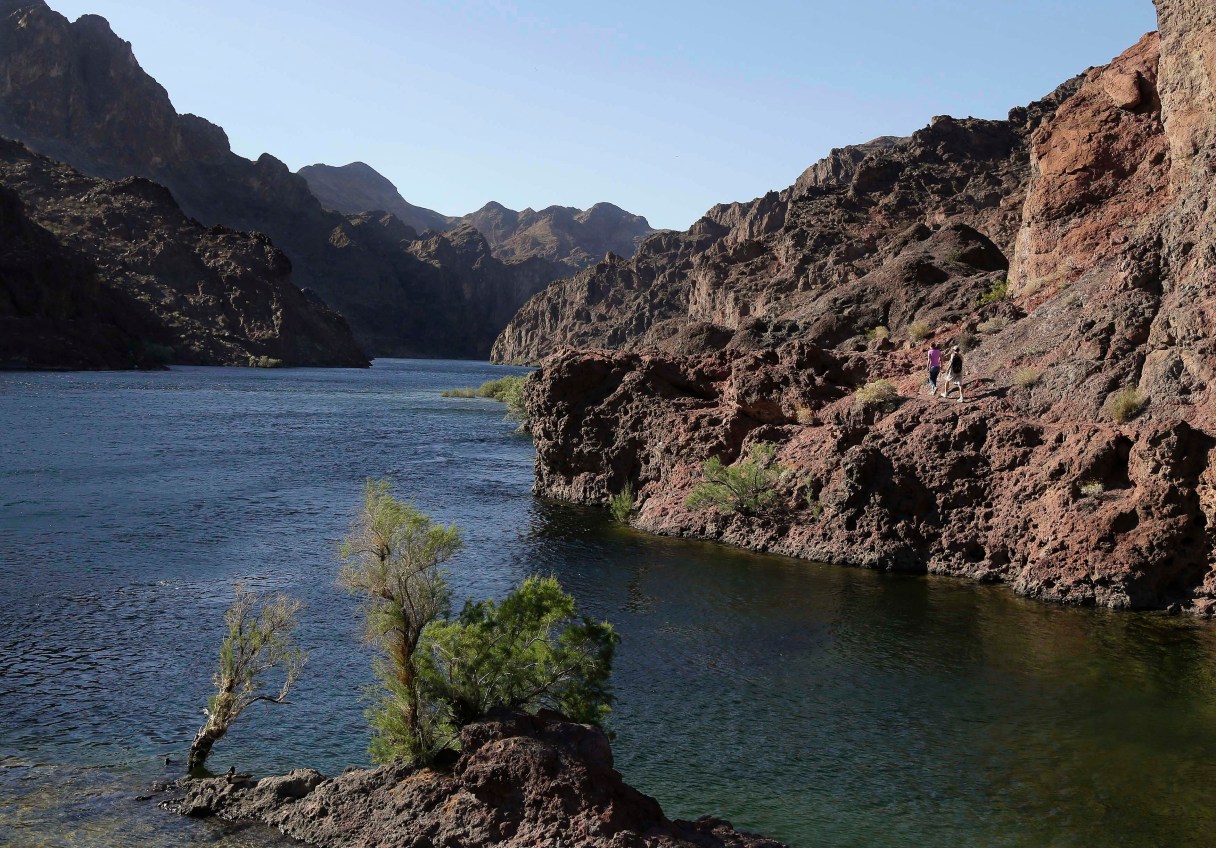
FILE - In this April 14, 2013 file photo, hikers make their way along the banks of the Colorado River near Willow Beach, Ariz. Nearly 4.6 trillion gallons of water flows out of Colorado's mountains every year, most of it going to 18 downstream states and Mexico. Colorado unveils the final version of its first-ever plan to manage that water on Nov. 19, 2015. (AP Photo/Julie Jacobson, file)
FILE - In this April 14, 2013 file photo, hikers make their way along the banks of the Colorado River near Willow Beach, Ariz. Nearly 4.6 trillion gallons of water flows out of Colorado's mountains every year, most of it going to 18 downstream states and Mexico. Colorado unveils the final version of its first-ever plan to manage that water on Nov. 19, 2015. (AP Photo/Julie Jacobson, file) FILE - In this April 14, 2013 file photo, hikers make their way along the banks of the Colorado River near Willow Beach, Ariz. Nearly 4.6 trillion gallons of water flows out of Colorado's mountains every year, most of it going to 18 downstream states and Mexico. Colorado unveils the final version of its first-ever plan to manage that water on Nov. 19, 2015. (AP Photo/Julie Jacobson, file)

DENVER (AP) – The snow that falls on the Colorado mountains melts into trillions of gallons of water every year, and most of it flows downstream to Mexico, California and 17 other states. Colorado will release on Thursday its first-ever plan to cope with increasing competition for that water as the West grows drier.

The plan sets conservation goals, outlines ways to share water during droughts and suggests ways to preserve the environment, recreation and agriculture while accommodating rapid population growth.

It also has contentious elements, including a suggestion to increase water storage, which usually means building dams and reservoirs.

The plan doesn’t have teeth – it will be up to state and local governments, water utilities, irrigation districts and others to provide the money and muscle to make it work. But early drafts of the plan won praise as a good step toward preparing for inevitable shortages in the future.

Key questions and answers about the plan: