
As winter approaches, there isn’t a lot to do in your yard right now – but that doesn’t mean there’s nothing to do.
And there are also things you shouldn’t be doing, like fertilizing around young trees or plants.
“If you do, you get new growth and then, if we get an early freeze, it can damage the tree,” according to horticulturist and Hamilton County Extension agent Tom Stebbins. “Let those trees go dormant.”
It’s a different story when it comes to fertilizing the lawn, however. You should do that.
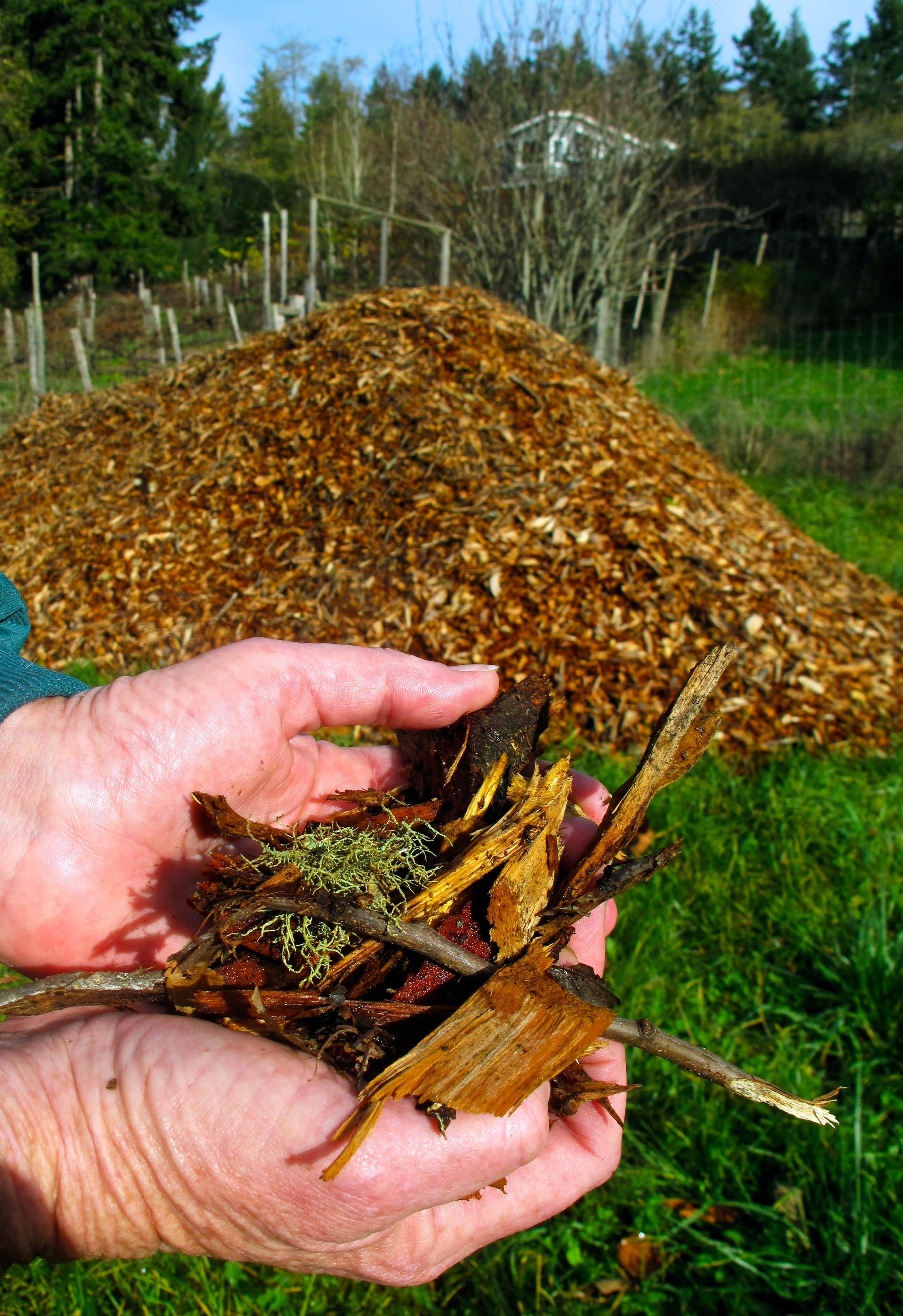 Mulch chips help maintain soil moisture, prevent weeds from sprouting and keeps soil temperatures relatively constant around plants. (AP Photo/Dean Fosdick)
What’s in your dirt?
Visit ag.tennessee.edu/spp/Pages/default.aspx to find out how to get your soil tested.
“But first get a soil test to see what nutrients are missing,” Stebbins says.
To test your soil – which costs about $7 or $15, depending on how extensive the testing is at the University of Tennessee Soil, Plant and Pest Center – the Hamilton County Extension Office has free mailing boxes now available at its office, located at 6183 Adamson Circle off Bonnie Oaks Drive near the Department of Motor Vehicles office.
Another task that’s appropriate this time of year is mulching around your garden, plants and trees to help prevent root freeze, according to Lloyd Revis at Varnell Nursery in North Georgia.
“Most of the plants sold in the garden centers around here are zoned for this area, but plants like gardenias are on the edge,” he says. “So if you’ve invested in them, you should mulch around them to try to keep them alive. It keeps that ice from laying directly up against the root system.”
Rosemary bushes, fig trees and loropetalum are especially vulnerable to freezing, he says. Overall, he recommends hardwood mulch for all your needs.
As far as the lawn goes, every year, homeowners hear that leaving the leaves on top is free fertilizer for your grass, but that’s only partially true, Stebbins says.
“There is a debate about that,” he says. “It really depends on how high-end your lawn is. If you have a high-end yard, you are probably not going to let the leaves sit on it. An environmentalist will mulch them to feed the lawn and keep the leaves out of the landfill. Earthworms don’t go to sleep in the winter and they have to eat, so they will gobble them (leaves) up and be nutrients.”
Stebbins says he’s also heard that some leaves, like oak, can be harmful to plants, but he’s seen nothing to back that up. Still, he cautions against using walnut, especially in large quantities, as a mulch base because it can be toxic to plants in large amounts.
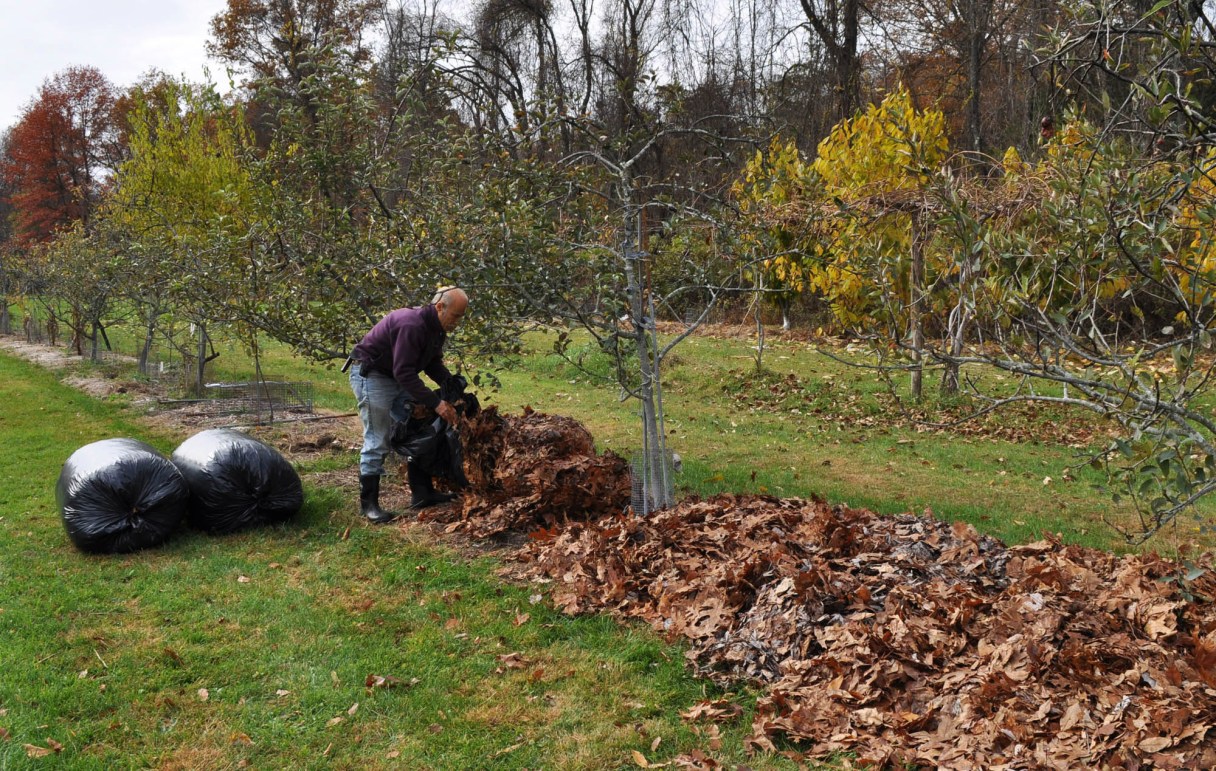
He recommends one to two inches of mulched leaves for the lawn and three to four inches of leaf mulch for flower beds. This can help prevent weeds from popping up as well, he says.
For raised flower beds, Stebbins recommends covering them in black plastic to keeps weed seeds out, but it also helps keep fire ants from getting established there.
“They fly around looking for disturbed areas and these beds are prone to getting a fire ant colony,” he says.
He’s also heard people complaining that their trees, especially five- to 10-year-old maples or dogwoods, are suffering from bark split. It usually takes place in February and March, when the temperatures are cold at night but then it warms up in the afternoon when the sun hits the trees. The cooling-and-warming cycle stretches the bark and can cause splitting.
Stebbins recommends getting some white tree wrap that allows air to circulate but blocks the sun.
“Be sure to take it off in the spring to keep bugs and moisture out,” he says.
Contact Barry Courter at bcourter@timesfree press.com or 423-757-6354.