
Thursday, November 12, 2026Nov 12

Nevada says national nuclear dump could harm farm community

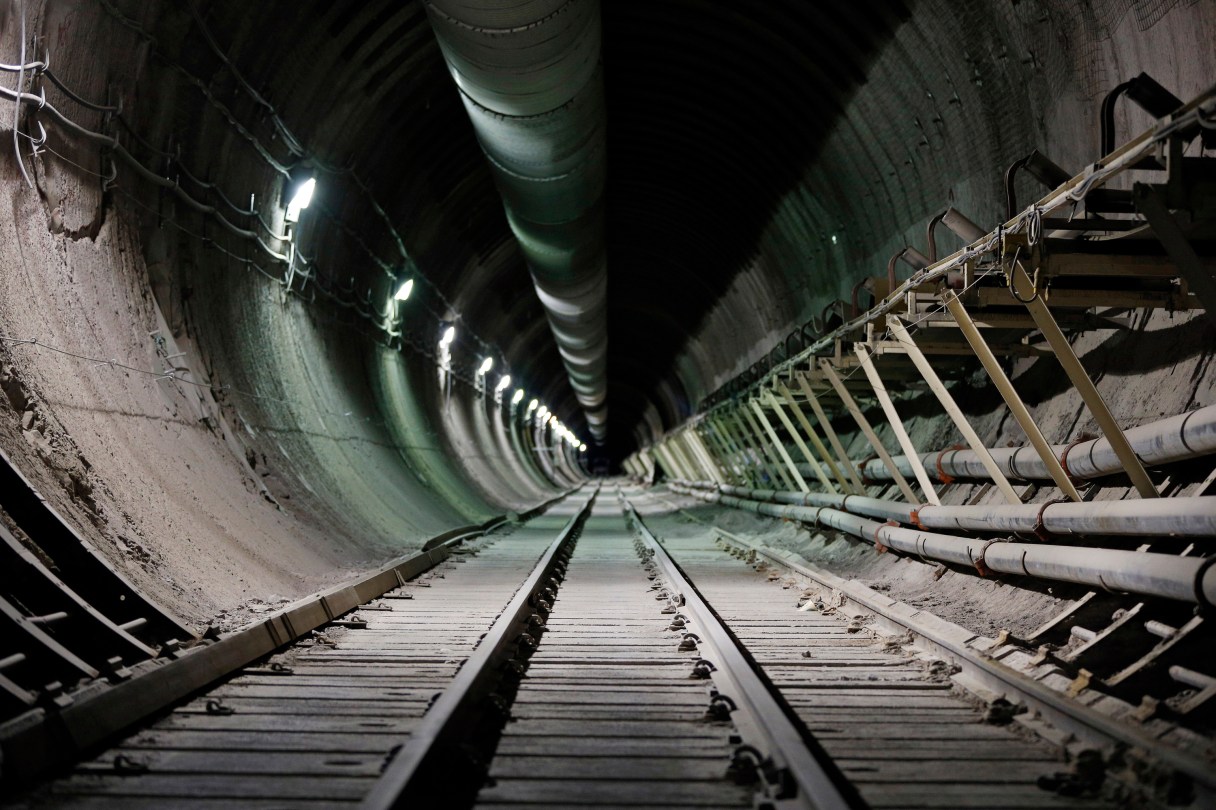
FILE - This April 9, 2015, file photo, shows the interior of the proposed Yucca Mountain nuclear waste dump near Mercury, Nev. Nevada is telling the Nuclear Regulatory Commission some 1,400 people in a rural Nevada farming community could be threatened if the nation’s most radioactive waste is buried in the desert northwest of Las Vegas, according to a state report, Friday, Nov. 20, 2015. (AP Photo/John Locher, File)
FILE - This April 9, 2015, file photo, shows the interior of the proposed Yucca Mountain nuclear waste dump near Mercury, Nev. Nevada is telling the Nuclear Regulatory Commission some 1,400 people in a rural Nevada farming community could be threatened if the nation’s most radioactive waste is buried in the desert northwest of Las Vegas, according to a state report, Friday, Nov. 20, 2015. (AP Photo/John Locher, File) FILE - This April 9, 2015, file photo, shows the interior of the proposed Yucca Mountain nuclear waste dump near Mercury, Nev. Nevada is telling the Nuclear Regulatory Commission some 1,400 people in a rural Nevada farming community could be threatened if the nation’s most radioactive waste is buried in the desert northwest of Las Vegas, according to a state report, Friday, Nov. 20, 2015. (AP Photo/John Locher, File)

LAS VEGAS (AP) – Radioactive well-water contamination could threaten some 1,400 people in a rural farming community if federal regulators allow the nation’s deadliest nuclear waste to be buried in the Nevada desert, state officials said in a report issued Friday.

A 53-page document submitted to the U.S. Nuclear Regulatory Commission derides environmental assessments of the proposed Yucca Mountain repository as legally inadequate. It also characterizes the project itself as “an unworkable waste management plan at an unsafe repository site.”

The state says groundwater studies don’t properly address the danger to people in nearby Amargosa Valley or the cultural and spiritual effect that construction of the repository would have on Native Americans.

“In the end, there are real people there,” said Robert Halstead, chief of the Nevada Agency for Nuclear Projects and the top state official leading opposition to the project.

“That’s the thing about the way the NRC has approached the whole process,” Halstead said Friday. “Their maps imply there is no population there. They label it as the Amargosa desert.”