
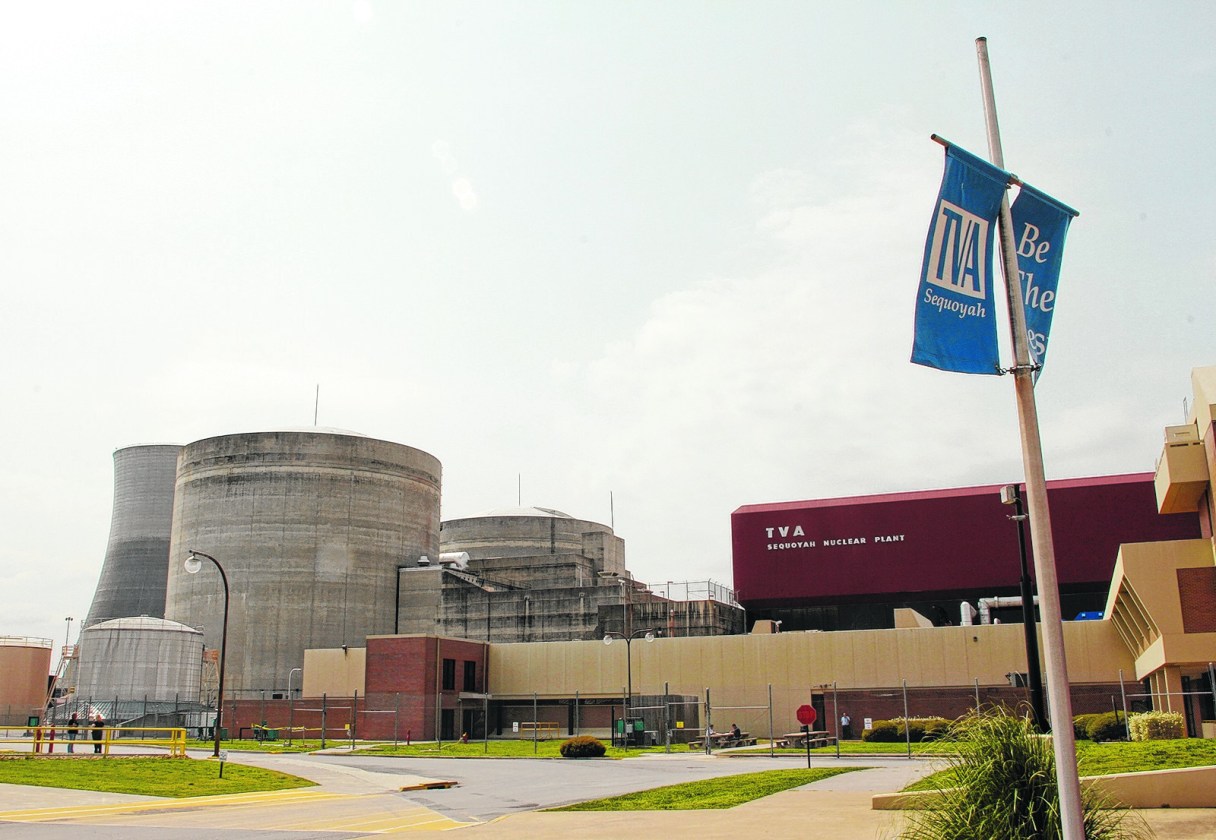
The Tennessee Valley Authority is looking to correct equipment and performance problems at its Sequoyah Nuclear Power Plant during the plant’s ongoing refueling outage of the Unit 2 reactor.
TVA Chief Nuclear Officer Joe Grimes said the utility is looking for ways to improve performance at Sequoyah, which has had four unplanned trips at its Unit 1 reactor this year. Earlier this month, government regulators said they are beefing up oversight at the plant because of so many power interruptions in the oldest reactor at Sequoyah.
The Nuclear Regulatory Commission moved down its color-based rating of Sequoyah from green to white due to the relatively high rate of unplanned scrams. The NRC cited one trip at Sequoyah’s Unit 1 early in 2015 and three trips this summer and fall.
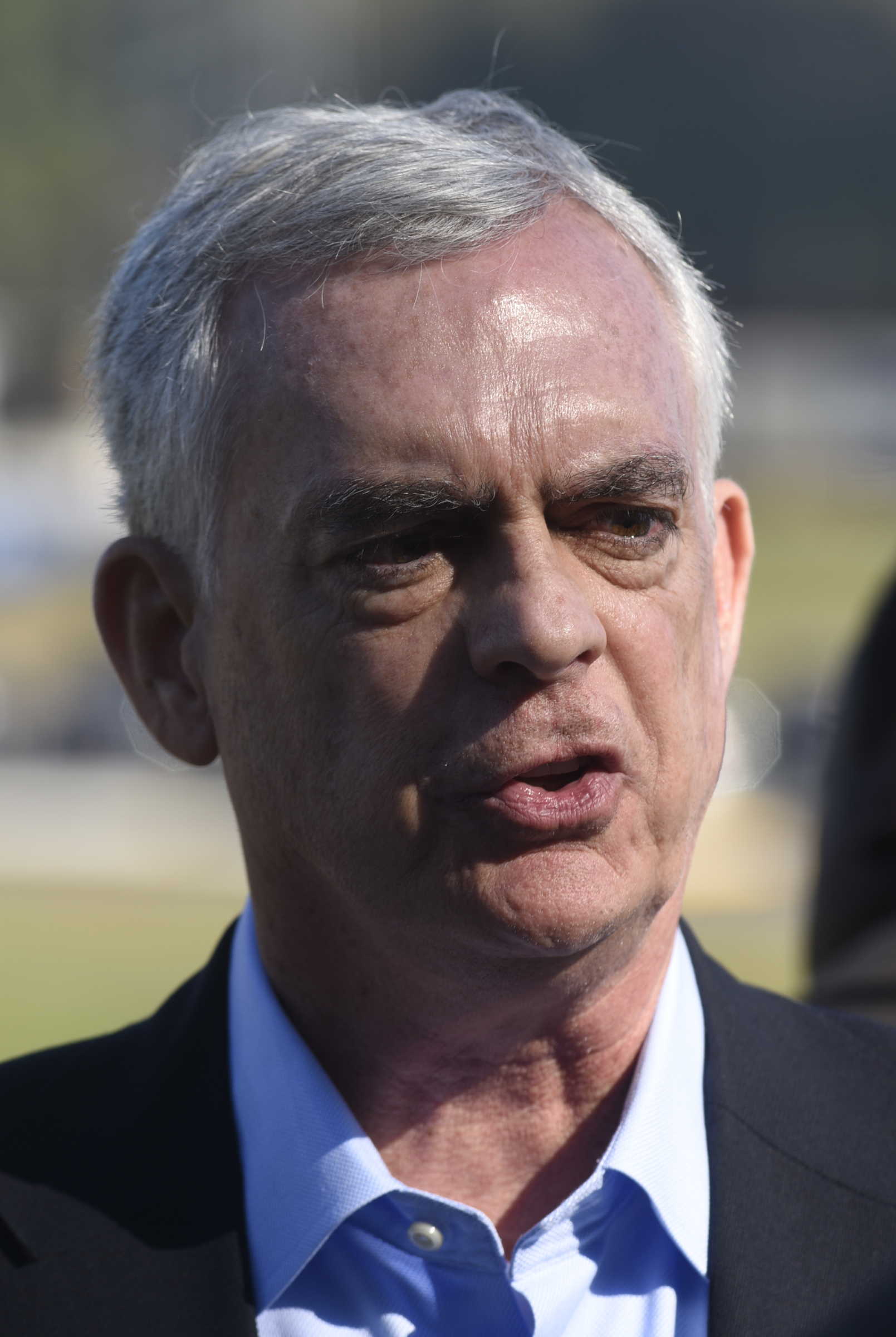 TVA chief nuclear officer Joe Grimes speaks to reporters after a news conference at the Watts Bar Nuclear Plant on Thursday, Oct. 22, 2015, near Spring City, Tenn., as Unit 2 begins producing electricity for the first time, 43 years after construction began at the site.
Grimes said he is committed to identifying problems and correcting people, procedures and equipment that might be causing so many of the reactor trips at the Soddy-Daisy plant.
“We’re taking a broader look that starts with this Sequoyah Unit 2 refueling outage,” Grimes told the TVA board last week. “We’ll ensure that the work that goes on during this outage will enable the reliability that we expect out of that unit when we start it up here in several weeks.”
TVA began the scheduled refueling on Nov. 16 at the newest Sequoyah reactor and has brought in an extra 700 employees and contractors to do maintenance and refueling work during the outage.
TVA also recently announced it is putting a new site director at Sequoyah, Christopher Schwarz who was formerly vice president of corporate operations at Public Service Enterprise Group Nuclear in New Jersey.
Grimes said TVA is doing a broader review of equipment systems that may have caused some of the abnormally high number of trips.
“We want to have a full understanding of our equipment issues and from a corporate oversight perspective we’re really looking at integrating management decision making at the site and trying to help make sure we are making the right decisions,” Grimes said. “It’s our expectation that we’ll quickly move through these issues and get a good understanding to put the right actions in place to put us back on the performance that we expect.”
Marilyn Brown, the Georgia Tech professor and TVA director who chairs the board’s nuclear oversight committee, said the board is looking for better performance at the Sequoyah plant.
“Nuclear performance experienced some challenges this quarter, particularly related to unexpected outages at the Sequoyah site,” she said. “Management is working on plans to address the safety and outage issues and we look forward to discussing the plans that will be forthcoming.”
Despite the problems at Sequoyah, TVA officials said they are encouraged by the completion this year of the second reactor at the Watts Bar Nuclear Power Plant near Spring City, Tenn.., where TVA expects limited power generation to begin next month.
The Unit 2 reactor at Watts Bar is expected to reach full operating status next year. At full power, the new unit can generate 1,150 megawatts, or enough power to supply 650,000 homes.
Watts Bar Unit 2 will be the first new reactor added to America’s power grid in the 21st century and the first since TVA completed its other reactor at Watts Bar in 1996. TVA began building Watts Bar in 1973, but work was halted in 1988 due to changes in TVA’s power demands and employee concerns about plant safety.
NRC granted an operating license for Watts Bar Unit 2 – 42 years and more than $6 billion after work began on the reactor. TVA President Bill Johnson said he expects to load nuclear fuel into the new Watts Bar reactor next week.
“One of our highest priorities is Watts Bar Unit 2 completion and we made excellent progress this year,” Johnson told industry analysts earlier this week. “Once operating, it will help avoid 6 to 8 million tons of carbon dioxide emissions a year. Watts Bar 2 will be a significant part of our strategic move to a cleaner, more balanced asset portfolio.”
Nuclear power generated 34 percent of TVA’s power in fiscal 2015, compared with 36 percent from coal-fired sources. The utility projects nuclear will provide 41 percent of its power by 2020. Due to more nuclear and natural gas generation, coal will supply only 22 percent of TVA’s power in 2020.
Contact Dave Flessner at dflessner@timesfreepress.com or at 757-6340.