
Tuesday, November 10, 2026Nov 10

Court orders EPA to revise ship ballast dumping regulations

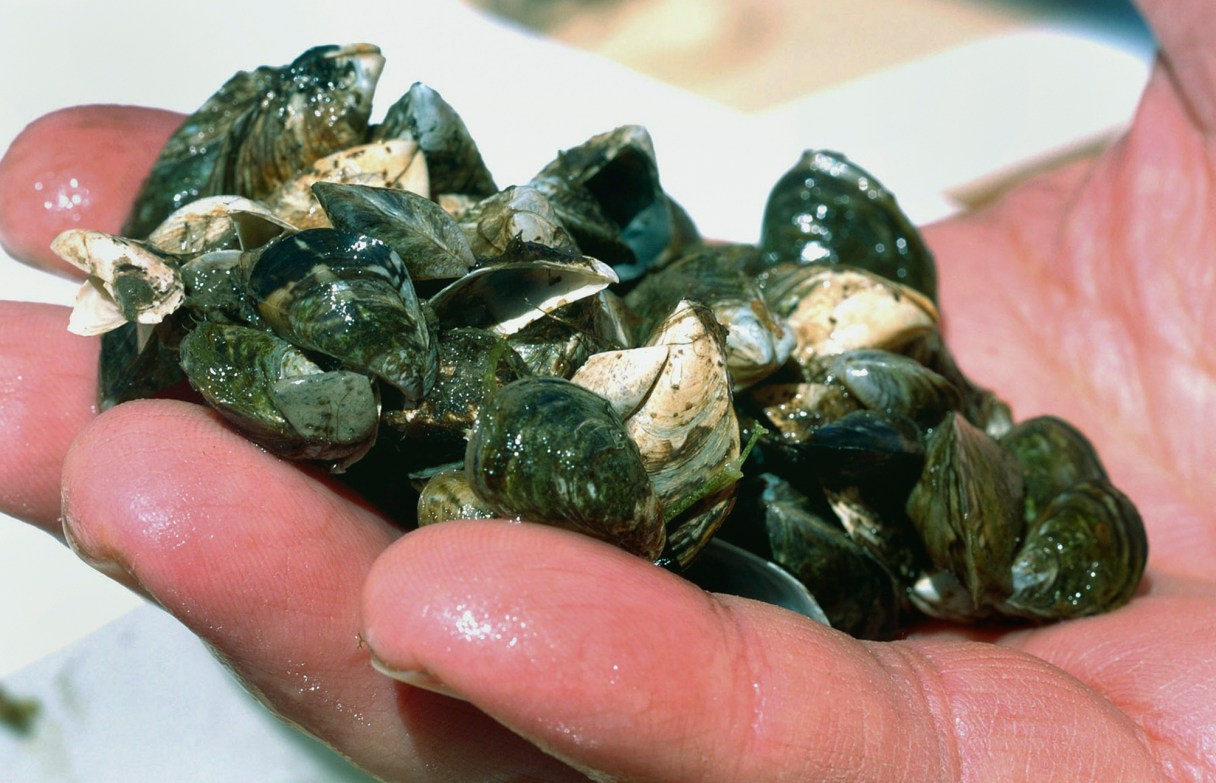
FILE - In this May 3, 2007 file photo, Inland Seas Education Association instructor Conrad Heins holds a cluster of zebra mussels that were taken from Lake Michigan off Suttons Bay, Mich. A federal appeals court on Monday, Oct. 5, 2015, ordered the U.S. Environmental Protection Agency to rewrite regulations of ballast water discharges from ships across U.S. waterways. The ruling was a response to a lawsuit filed by environmental groups that say the EPA rules are not strong enough to prevent vessel from introducing harmful organisms such as zebra mussels. (AP Photo/John L. Russell, File)
FILE - In this May 3, 2007 file photo, Inland Seas Education Association instructor Conrad Heins holds a cluster of zebra mussels that were taken from Lake Michigan off Suttons Bay, Mich. A federal appeals court on Monday, Oct. 5, 2015, ordered the U.S. Environmental Protection Agency to rewrite regulations of ballast water discharges from ships across U.S. waterways. The ruling was a response to a lawsuit filed by environmental groups that say the EPA rules are not strong enough to prevent vessel from introducing harmful organisms such as zebra mussels. (AP Photo/John L. Russell, File) FILE - In this May 3, 2007 file photo, Inland Seas Education Association instructor Conrad Heins holds a cluster of zebra mussels that were taken from Lake Michigan off Suttons Bay, Mich. A federal appeals court on Monday, Oct. 5, 2015, ordered the U.S. Environmental Protection Agency to rewrite regulations of ballast water discharges from ships across U.S. waterways. The ruling was a response to a lawsuit filed by environmental groups that say the EPA rules are not strong enough to prevent vessel from introducing harmful organisms such as zebra mussels. (AP Photo/John L. Russell, File)

TRAVERSE CITY, Mich. (AP) – A federal appeals court ordered the government Monday to rewrite its regulations on ballast water discharges from ships, one of the leading culprits in the spread of invasive species across U.S. waterways.

Environmental groups contended in a lawsuit that an industry-wide permit issued by the U.S. Environmental Protection Agency two years ago wasn’t tough enough to prevent vessels from introducing additional harmful organisms such as zebra and quagga mussels, which have caused heavy economic and ecological damage in the Great Lakes and spread as far as the West Coast.

The 2nd U.S. Circuit Court of Appeals sided mostly with the environmentalists, saying the EPA erred in numerous ways, including settling for international limits on live organisms in ballast water when technology was available to meet tougher standards.

The court also faulted the agency for failing to consider onshore treatment of ballast water, exempting vessels built before 2009 that operate only in the Great Lakes from the discharge limits, and requiring inadequate monitoring of discarded water to make sure it complies with the rules.

“This decision is welcome news for the millions of families, anglers, hunters, paddlers, beach-goers, and business owners, who have borne the brunt of damages from aquatic invasive species for far too long,” said Marc Smith, policy director for the National Wildlife Federation, one of the groups that had sued.