
Tuesday, November 10, 2026Nov 10

Taliban targeted activists, media in northern Afghan city

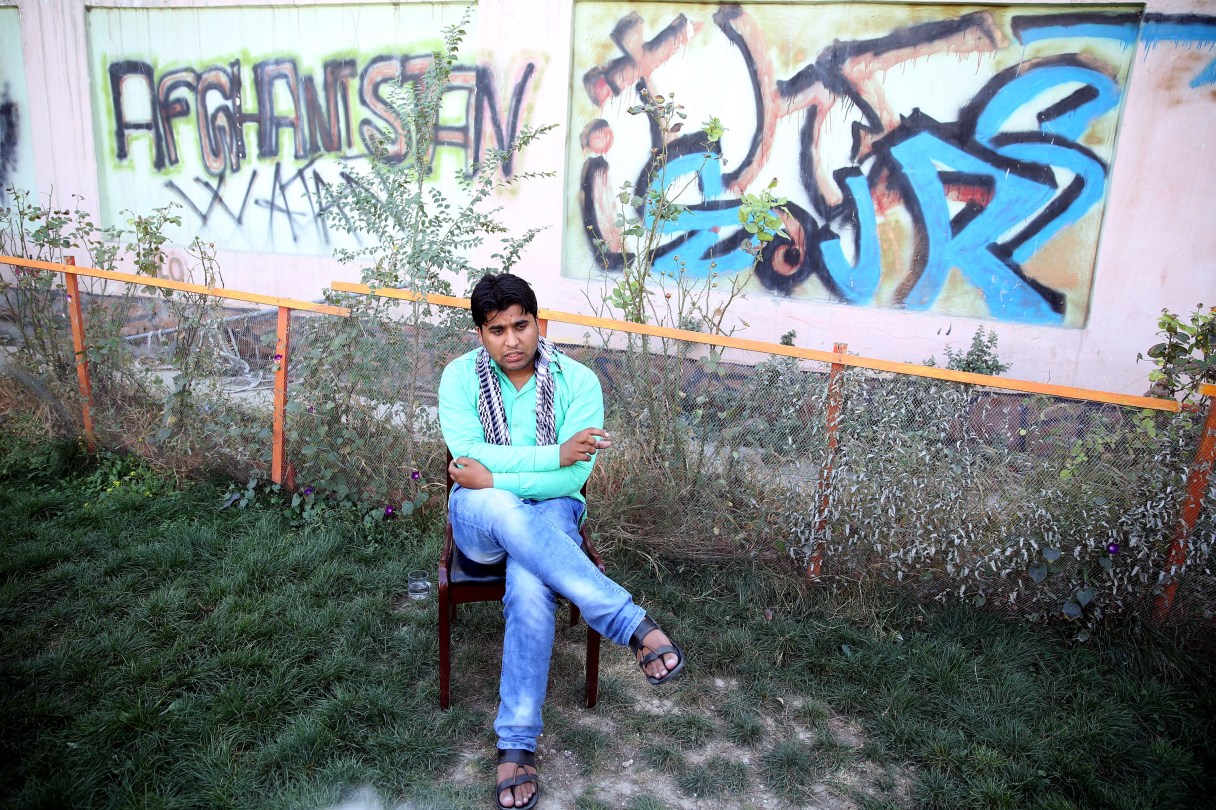
In this Friday, Oct. 9, 2015, photo, Bashir Khan Safi, an Afghan reporter with Killid Radio, talks during an interview with The Associated Press at the Afghan Journalists' Safety Committee in Kabul, Afghanistan. Within hours of seizing the northern Afghan city of Kunduz last month, Taliban fighters went door-to-door, hunting down not only those accused of working with security forces, but women's rights advocates and journalists. (AP Photo/Massoud Hossaini)
In this Friday, Oct. 9, 2015, photo, Bashir Khan Safi, an Afghan reporter with Killid Radio, talks during an interview with The Associated Press at the Afghan Journalists' Safety Committee in Kabul, Afghanistan. Within hours of seizing the northern Afghan city of Kunduz last month, Taliban fighters went door-to-door, hunting down not only those accused of working with security forces, but women's rights advocates and journalists. (AP Photo/Massoud Hossaini) In this Friday, Oct. 9, 2015, photo, Bashir Khan Safi, an Afghan reporter with Killid Radio, talks during an interview with The Associated Press at the Afghan Journalists' Safety Committee in Kabul, Afghanistan. Within hours of seizing the northern Afghan city of Kunduz last month, Taliban fighters went door-to-door, hunting down not only those accused of working with security forces, but women's rights advocates and journalists. (AP Photo/Massoud Hossaini)

KABUL, Afghanistan (AP) – Within hours of seizing the northern Afghan city of Kunduz last month, Taliban fighters went door-to-door, hunting down not only those accused of working with security forces, but women’s rights advocates and journalists.

Government troops took back much of the city three days later, and on Monday the Taliban announced the withdrawal of their last fighters. But the Taliban’s brief foray into the city offered a chilling reminder of its violent Islamic rule in the late 1990s, and of what could await the country if it returns to power.

In announcing their capture of the city on Sept. 28, the Taliban vowed to protect civilians and property, presenting themselves as liberators.

But residents say the insurgents immediately went on a rampage, looting shops and killing those who stood in their way. Shah Bibi fled to Kabul with her six children after militants barged into a neighbor’s home and shot dead five young boys. “The bodies lay everywhere,” she said.

Women’s rights advocates and journalists say they were singled out, and many joined the exodus from the city. The U.N. says half of the 300,000 residents of Kunduz fled. It’s unclear how many have since returned.