
On paper, the divorce looked simple.
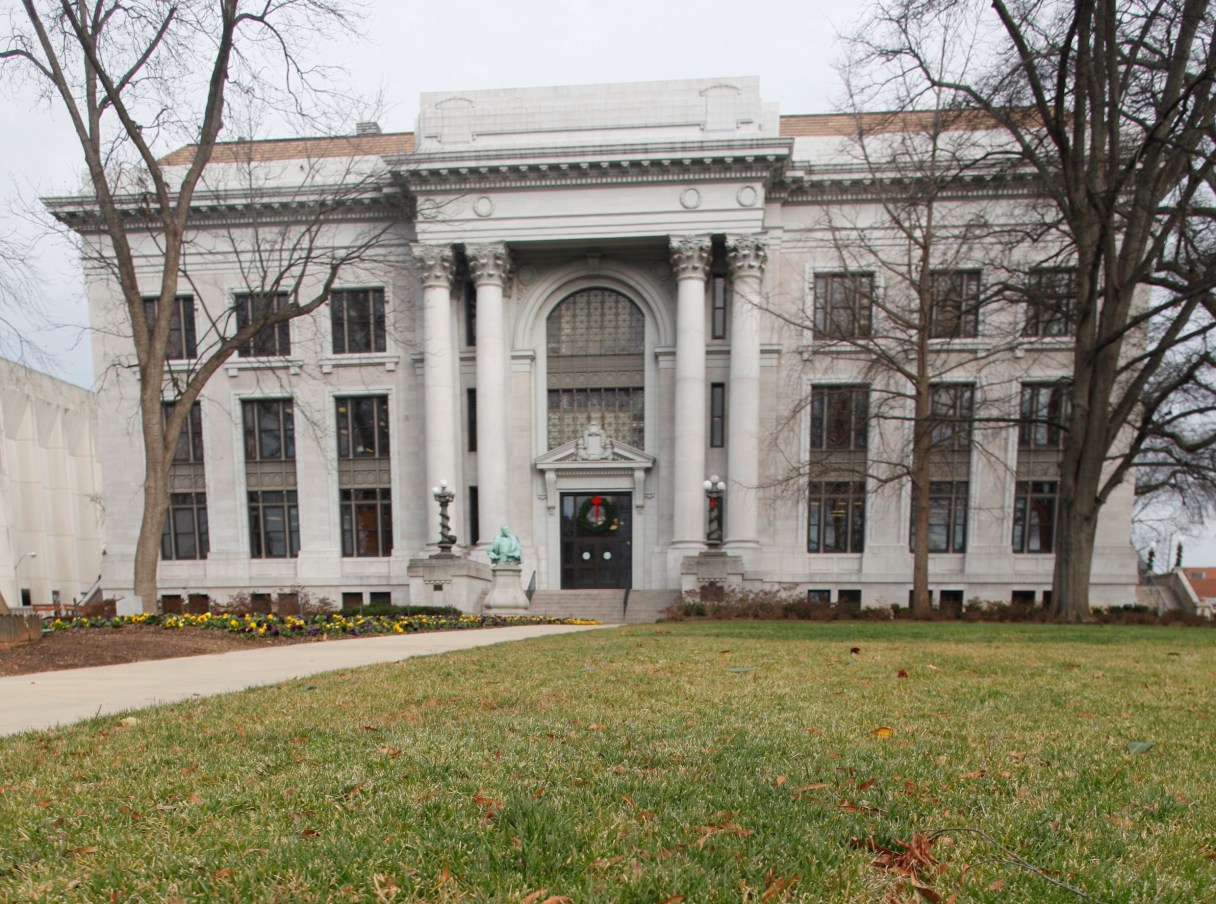
Ashley Talley and Catherine Teligades had no debts, no assets, and no need for Hamilton County Circuit Court to divide their property.
There was one problem, though.
The couple, who married Aug. 8, 2011, in Queens, N.Y., weren’t “husband” and “wife” as the state’s divorce agreement forms seemed to suggest. On several pages, the women struck through the word “husband” and scribbled in “wife” instead.
“Yeah, I’m not surprised,” said Talley, 30. “I know the laws have changed, but they definitely need to change the forms.”
Formalized Oct. 12, the area couple’s divorce reanimated the conversation about Tennessee’s approach to same-sex marriages. Since the U.S. Supreme Court’s landmark summer decision, the cultural battlefield has been tense.
In August, a Hamilton County judge denied a Signal Mountain couple’s divorce petition and cited, among other things, the Supreme Court decision, which, he wrote, derailed state courts from determining “when a marriage is no longer a marriage.”
In September, two state representatives filed the “Tennessee Natural Marriage Defense Act,” which defined marriage as a union between a man and a woman. Over the summer, the state changed its parenting forms from “mother” and “father” to “Parent 1” and “Parent 2.” Public outrage followed, and the Administrative Office of the Courts returned the forms to the original language.
And unless the state changes course, divorce forms will continue to read “husband” and “wife.”
“If there’s a change, they will send us the forms,” said Circuit Court Clerk Larry Henry. “Until then, we’ll have to continue to wait on them.”
So what can gay and lesbian couples do in the meantime?
As Administrative Office of the Courts spokeswoman Michele Wojciechowski pointed out, same-sex couples don’t have to use the state’s forms.
They could hire a private attorney, personalize their paperwork. No more husband and wife, but wife and wife. Husband and husband. Parent 1 and Parent 2.
“The court has created forms to fit a wide variety of situations,” Wojciechowski said. “People may use them, but they’re not required to use them.”
There’s a caveat, though.
Some same-sex couples – like Talley and Teligades – may want to file their divorce without a lawyer, save money and move on with their lives.
Although the forms don’t cause physical pain or heartbreak, the language can be insidious.
“It’s like saying, ‘We can’t injure you any more by preventing you from getting married, but we’re still going to insult you,'” said Chris Sanders, executive director of the Tennessee Equality Project, which advocates on behalf of gay, lesbian and transgender people.
It would be great if the state offered more-nuanced forms, Sanders said. But on a macro scale, this language gridlock foreshadows a series of debates about how Tennesseans approach gay relationships.
“What’s happening broadly is, we won marriage equality, legally,” Sanders said, “but we have not yet won it politically or culturally in East Tennessee.”
Until then?
“I’m sure they know they’re going to have to make some changes,” Talley said. “But I don’t know how soon they will.”
Contact Zack Peterson at zpeterson@timesfreepress.com or 423-757-6347 with story ideas and tips. Follow @zackpeterson918.