
Monday, November 2, 2026Nov 2

This story is free to read.

UNESCO chief: IS destruction of Syrian temple ‘intolerable’

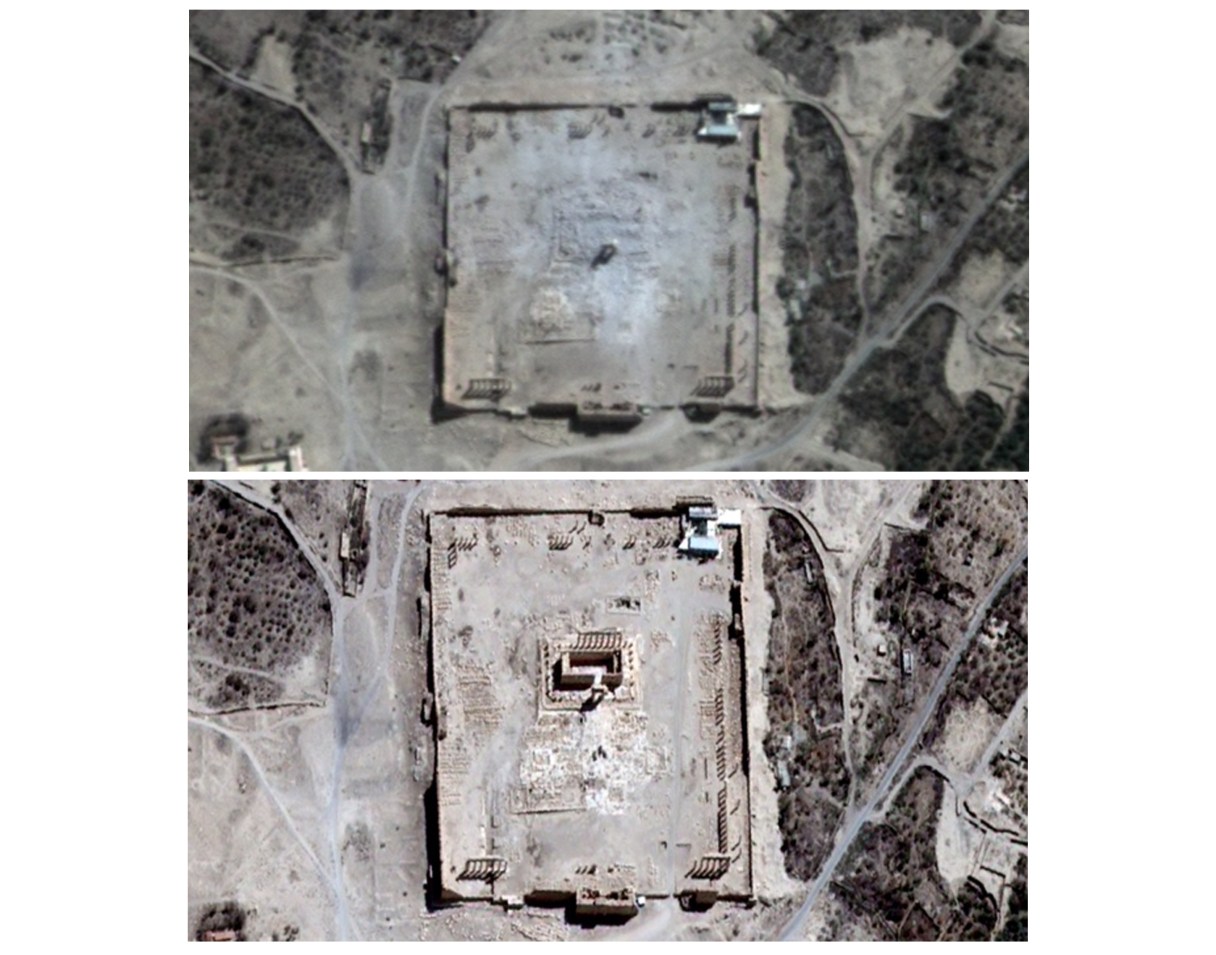
COMBO - This combination of two satellite images provided by UNITAR-UNOSAT shows damage to the main building of the ancient Temple of Bel in Palmyra, Syria on Monday, Aug. 31, 2015, top, and before the damage on Thursday, Aug. 27, 2015. The main building has been destroyed, a United Nations agency said on Monday, Aug. 31, 2015. The imagery was taken before and after a massive explosion was set off near the 2,000-year-old temple in the city occupied by Islamic State militants. (UNITAR-UNOSAT via AP)
COMBO - This combination of two satellite images provided by UNITAR-UNOSAT shows damage to the main building of the ancient Temple of Bel in Palmyra, Syria on Monday, Aug. 31, 2015, top, and before the damage on Thursday, Aug. 27, 2015. The main building has been destroyed, a United Nations agency said on Monday, Aug. 31, 2015. The imagery was taken before and after a massive explosion was set off near the 2,000-year-old temple in the city occupied by Islamic State militants. (UNITAR-UNOSAT via AP) COMBO - This combination of two satellite images provided by UNITAR-UNOSAT shows damage to the main building of the ancient Temple of Bel in Palmyra, Syria on Monday, Aug. 31, 2015, top, and before the damage on Thursday, Aug. 27, 2015. The main building has been destroyed, a United Nations agency said on Monday, Aug. 31, 2015. The imagery was taken before and after a massive explosion was set off near the 2,000-year-old temple in the city occupied by Islamic State militants. (UNITAR-UNOSAT via AP)

BEIRUT (AP) – The head of the U.N. cultural agency says Islamic State militants in Syria committed an “intolerable crime against civilization” by destroying the Temple of Bel, one of the ancient world’s most iconic monuments.

The militants used explosives to destroy the two-millennia-old temple in the ancient city of Palmyra on Sunday. The destruction was confirmed by U.N. satellite images.

UNESCO chief Irina Bokova said Tuesday that her agency will try to protect “all that can be saved” in the group’s reach. IS captured Palmyra and surrounding areas in May.

IS militants have imposed a violent interpretation of Islamic law across a self-declared “caliphate” straddling Syria and Iraq, and say ancient relics promote idolatry. They have blown up several sites in neighboring Iraq and destroyed another Palmyra temple in late August.