
Monday, November 9, 2026Nov 9

Clothing chain Hollister to remove steps from entrances

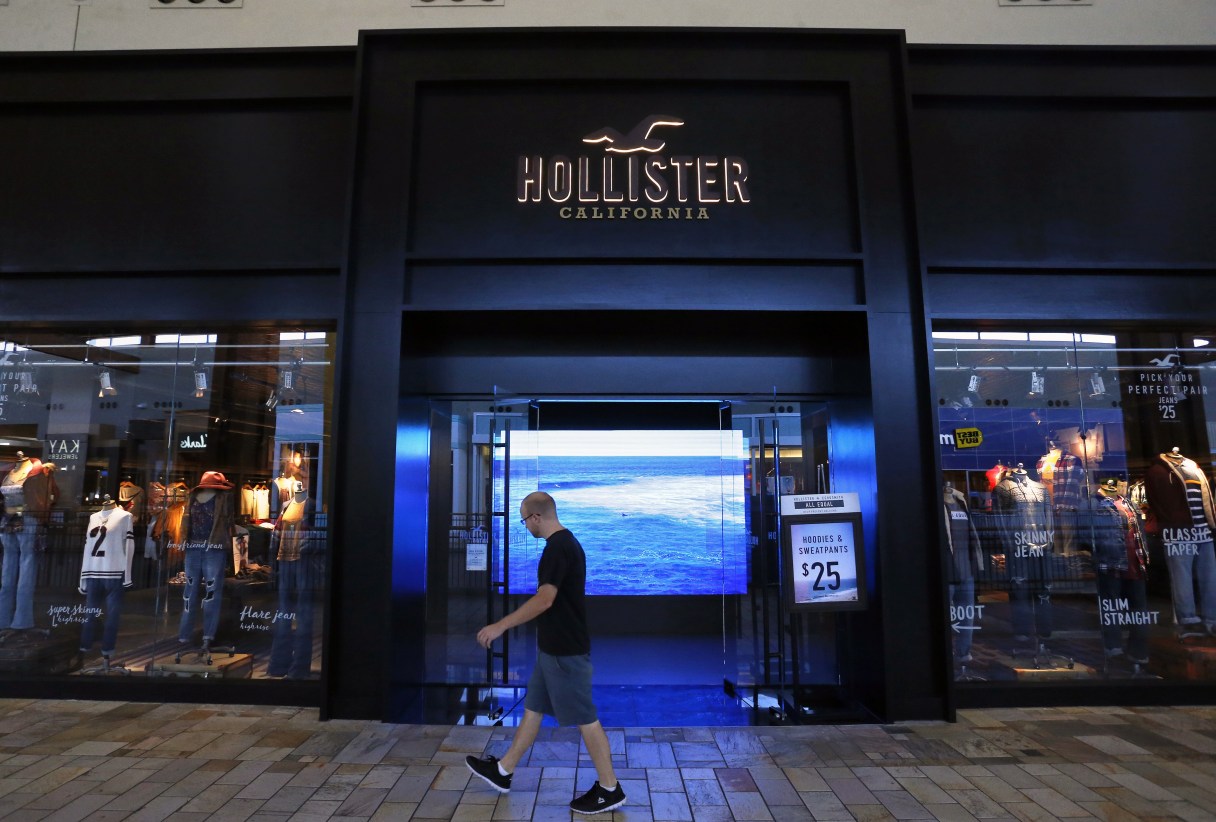
A shopper walks past the entrance to the clothing retailer Hollister, at Flatirons Crossing Mall, in Broomfield, Colo., on Thursday Sept. 24, 2015. Hollister Co. has agreed to remodel entrances to dozens of its beach-house style stores across the country to make them wheelchair accessible as part of a proposed settlement agreement with the Colorado Cross-Disability Coalition. (AP Photo/Brennan Linsley)
A shopper walks past the entrance to the clothing retailer Hollister, at Flatirons Crossing Mall, in Broomfield, Colo., on Thursday Sept. 24, 2015. Hollister Co. has agreed to remodel entrances to dozens of its beach-house style stores across the country to make them wheelchair accessible as part of a proposed settlement agreement with the Colorado Cross-Disability Coalition. (AP Photo/Brennan Linsley) A shopper walks past the entrance to the clothing retailer Hollister, at Flatirons Crossing Mall, in Broomfield, Colo., on Thursday Sept. 24, 2015. Hollister Co. has agreed to remodel entrances to dozens of its beach-house style stores across the country to make them wheelchair accessible as part of a proposed settlement agreement with the Colorado Cross-Disability Coalition. (AP Photo/Brennan Linsley)

DENVER (AP) – The clothing chain Hollister will get rid of its trademark entrances at dozens of stores across the U.S. to make the doorways wheelchair accessible as part of a settlement approved Thursday by a federal judge.

The agreement marks the end of a six-year court battle involving the retailer that specializes in Southern California-inspired casual wear targeted at teens.

The entrances have steps and are designed to look like beach houses.

The Colorado Cross-Disability Coalition filed a lawsuit in 2009 arguing that Hollister violated federal law by limiting wheelchair users to side entrances. Two years later, a federal judge ruled that the raised porches violated the Americans with Disabilities Act.

A panel of the 10th U.S. Circuit Court of Appeals overturned that ruling last year, finding that the clothing store did not break the law, in part because it offered alternative entrances for wheelchair users, but it did not dismiss the case.